THE ADVENTURE COLLECTIVE® · Independent discovery and booking for outdoor travel

Ride a high‑speed elevator to the 56th floor of Montparnasse Tower for unobstructed, 360° views of Paris. Ideal for photographers and first‑time visitors, the deck pairs an open‑air terrace with interpretive exhibits and optional Seine cruise access.
Ride a high‑speed elevator to the 56th floor of Montparnasse Tower for unobstructed, 360° views of Paris. Ideal for photographers and first‑time visitors, the deck pairs an open‑air terrace with interpretive exhibits and optional Seine cruise access.
The elevator launches with a hush and a brief thrill—glass panes blur into streaks, then Paris opens beneath you in a wide, ordered map of rooftops and boulevards. On the 56th floor at Montparnasse Tower, the city lays itself out in concentric landmarks: the Eiffel Tower to the west, Sacré‑Cœur on the northern rise, the Louvre’s wings, and the Seine slicing through Paris’s center.
Verified experiences and guided adventures in the surrounding area.
Operated by Wonder Meets and Tours · Paris, Île-de-France
The elevator launches with a hush and a brief thrill—glass panes blur into streaks, then Paris opens beneath you in a wide, ordered map of rooftops and boulevards. On the 56th floor at Montparnasse Tower, the city lays itself out in concentric landmarks: the Eiffel Tower to the west, Sacré‑Cœur on the northern rise, the Louvre’s wings, and the Seine slicing through Paris’s center.
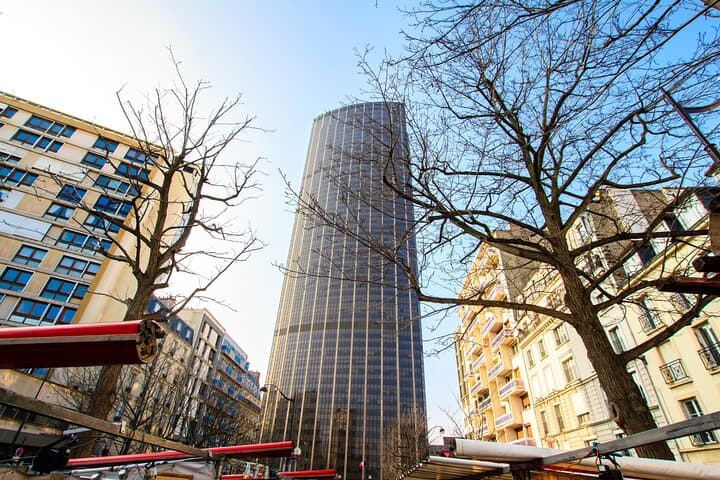
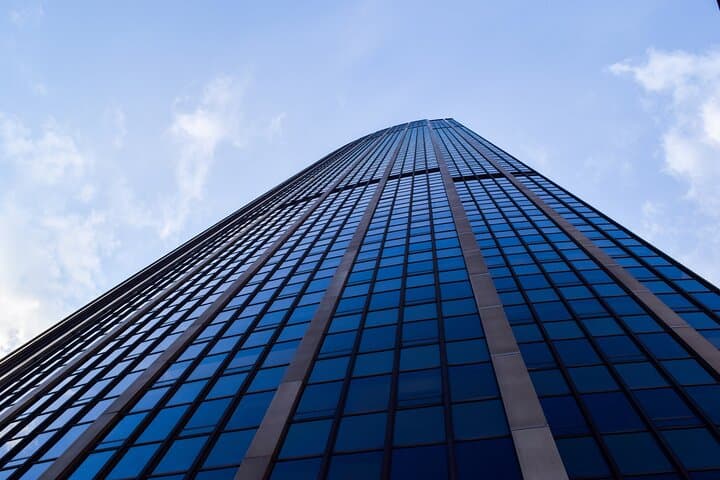
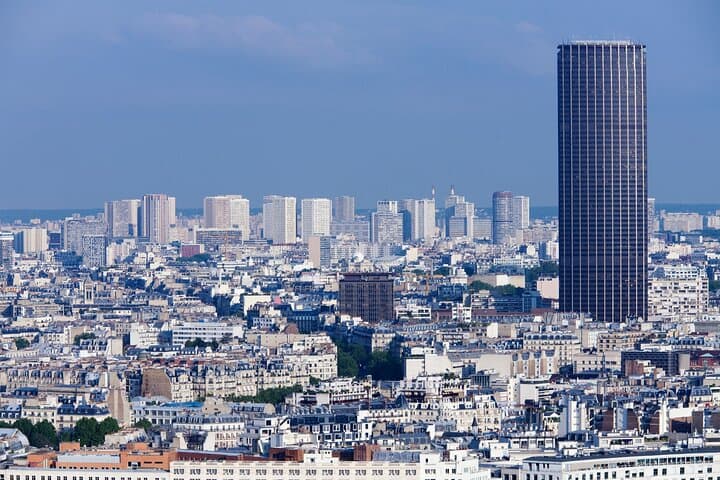
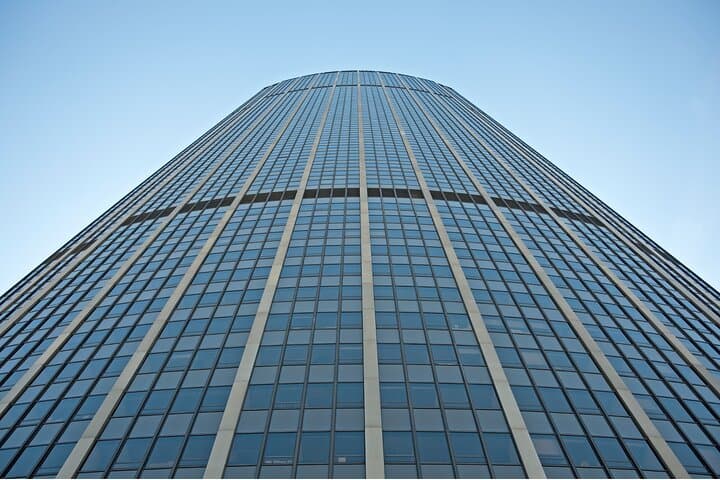
Built in the early 1970s as a modern counterpoint to Haussmann’s low‑rise avenues, the tower’s observation deck has become a favored perch for photographers and first-time visitors who want a single, uncomplicated vantage point. The structure itself is a lesson in modern urban design—an office tower turned public viewpoint that exposes Paris’s layered history: medieval islands, grand boulevards, and post‑war skyline choices.
Culturally, the deck is both promenade and classroom—interactive exhibits and written guides point out historical districts and architectural styles, while the open‑air rooftop lets the river and weather have the last word. For a broader sense of place, combine your visit with a one‑hour self‑discovery Seine cruise that stops at key points along the river for a different perspective.
Practicalities matter: tickets are mobile‑friendly and can be booked with skip‑the‑line access; allow 60–120 minutes for the full experience. Visit at daybreak for crisp light, at sunset for golden angles, or at night when Paris’s lights flatten distances into constellations. Reach the tower easily by Metro (Montparnasse‑Bienvenüe), travel light for quicker movement, and expect full wheelchair accessibility.
easy.
1–2 hours.
Suitable for all fitness levels; involves short walks and standing at viewpoints
Tickets are flexible but often issued for a specific entry window; mobile tickets are sent before your visit—verify your booking confirmation for arrival instructions.
Yes—the 56th‑floor rooftop is open air, offering unobstructed views; expect wind and cooler temperatures compared with ground level.
Yes—Montparnasse Tower provides full wheelchair and stroller access, with elevators and accessible surfaces throughout the visitor areas.
Yes—an audio/written guide is included to help identify landmarks and provide historical context for the views.
Completed in the early 1970s, Montparnasse Tower represented a modern break from Paris’s traditional skyline and has since become a primary urban viewpoint for the city’s layered history and architecture.
Visitors are encouraged to use public transit and avoid drones or other devices that could disrupt the skyline; maintain litter‑free behavior to protect the rooftop environment.
Wonder Meets and Tours operates guided outdoor trips and adventures with an emphasis on safety, stewardship, and memorable experiences.
The elevator launches with a hush and a brief thrill—glass panes blur into streaks, then Paris opens beneath you in a wide, ordered map of rooftops and boulevards. On the 56th floor at Montparnasse Tower, the city lays itself out in concentric landmarks: the Eiffel Tower to the west, Sacré‑Cœur on the northern rise, the Louvre’s wings, and the Seine slicing through Paris’s center.
The elevator launches with a hush and a brief thrill—glass panes blur into streaks, then Paris opens beneath you in a wide, ordered map of rooftops and boulevards. On the 56th floor at Montparnasse Tower, the city lays itself out in concentric landmarks: the Eiffel Tower to the west, Sacré‑Cœur on the northern rise, the Louvre’s wings, and the Seine slicing through Paris’s center.
Built in the early 1970s as a modern counterpoint to Haussmann’s low‑rise avenues, the tower’s observation deck has become a favored perch for photographers and first-time visitors who want a single, uncomplicated vantage point. The structure itself is a lesson in modern urban design—an office tower turned public viewpoint that exposes Paris’s layered history: medieval islands, grand boulevards, and post‑war skyline choices.
Culturally, the deck is both promenade and classroom—interactive exhibits and written guides point out historical districts and architectural styles, while the open‑air rooftop lets the river and weather have the last word. For a broader sense of place, combine your visit with a one‑hour self‑discovery Seine cruise that stops at key points along the river for a different perspective.
Practicalities matter: tickets are mobile‑friendly and can be booked with skip‑the‑line access; allow 60–120 minutes for the full experience. Visit at daybreak for crisp light, at sunset for golden angles, or at night when Paris’s lights flatten distances into constellations. Reach the tower easily by Metro (Montparnasse‑Bienvenüe), travel light for quicker movement, and expect full wheelchair accessibility.