THE ADVENTURE COLLECTIVE® · Independent discovery and booking for outdoor travel

See Paris from above at Montparnasse and then walk the halls of the Louvre with one convenient combo ticket. Timed entry and an included audio guide make these two quintessential Paris experiences easy to plan.
See Paris from above at Montparnasse and then walk the halls of the Louvre with one convenient combo ticket. Timed entry and an included audio guide make these two quintessential Paris experiences easy to plan.
Step out onto the Montparnasse observation deck as the city stretches beneath you — a web of Haussmann avenues, the slender tip of the Eiffel Tower, and the slow ribbon of the Seine guiding the eye. The next day, move from skyline to gallery: marble halls at the Louvre where centuries of power and taste converge on the same rooms that once hosted kings.
Verified experiences and guided adventures in the surrounding area.
Operated by Paris Museum Ticket · Paris, Île-de-France
Step out onto the Montparnasse observation deck as the city stretches beneath you — a web of Haussmann avenues, the slender tip of the Eiffel Tower, and the slow ribbon of the Seine guiding the eye. The next day, move from skyline to gallery: marble halls at the Louvre where centuries of power and taste converge on the same rooms that once hosted kings.
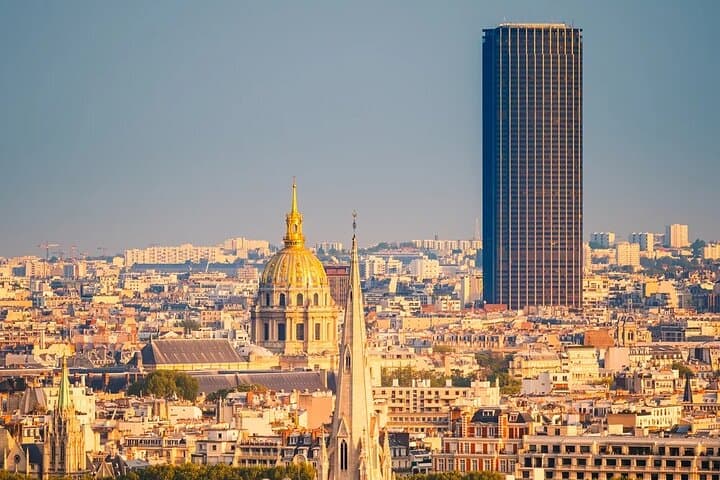
The Louvre began life as a 12th‑century fortress and later a royal palace before opening as a public museum during the French Revolution; its galleries now span classical sculpture to modern masterpieces. The Montparnasse Tower, a product of 20th‑century Paris, rises 210 meters above the Left Bank and offers a 360° civic portrait — an antidote to street‑level detail that helps orient any visit.
Combine both sites and you get two different Paris narratives: the city’s longue durée in stone and the modern skyline’s immediate clarity. Culturally, the Louvre demands time and strategy — map the Denon wing for Leonardo and Greek antiquities — while Montparnasse rewards timing: sunrise and twilight soften the city and reduce glare for photos.
Practical guidance: these are timed, mobile tickets; bring ID for free or reduced admission. Allow 3–5 hours for the Louvre (audio guide speeds orientation) and 45–90 minutes for the tower visit. Expect security checks and bag restrictions at both sites; plan transport between the 1st and 15th arrondissements by metro (about 20 minutes) or a 40–50 minute walk along Parisian streets. Travel light, book off‑peak slots when possible, and use the views to plan the rest of your Paris itinerary.
easy.
1–2 days.
Light urban walking ability; comfortable standing and stairs for several hours at the museum.
Yes — both entries use timed, mobile tickets; a printed copy is usually not required but have the mobile voucher and ID ready for entry.
The Louvre provides accessible routes, lifts and loaner wheelchairs; check entry points and request assistance ahead of your visit if needed.
Plan 3–5 hours for a focused Louvre visit with an audio guide and 45–90 minutes for the Montparnasse observation deck, depending on queues and photo stops.
Photography is allowed in most rooms without flash; large bags may need to be checked or carried in designated ways—follow staff instructions at security.
The Louvre evolved from a medieval fortress to a royal palace before becoming a public museum in 1793; Montparnasse Tower (completed 1973) represents Paris’s modern vertical turn.
Both sites manage large visitor flows—visit off‑peak, follow signage, and avoid touching works to reduce wear; prefer public transit to cut emissions.
Paris Museum Ticket operates guided outdoor trips and adventures with an emphasis on safety, stewardship, and memorable experiences.
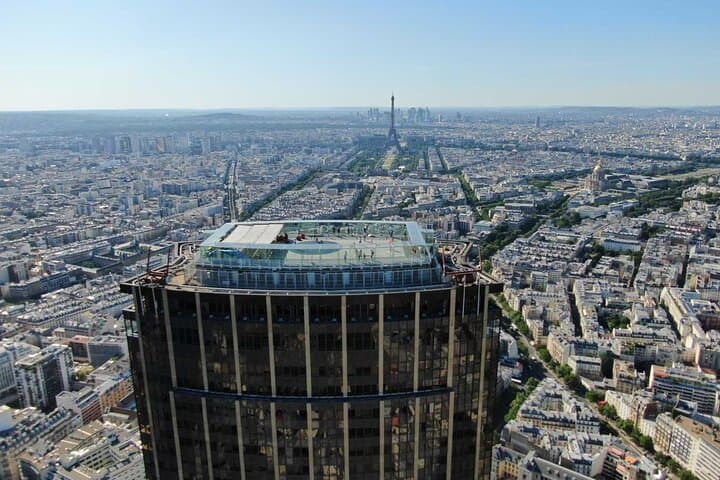
Step out onto the Montparnasse observation deck as the city stretches beneath you — a web of Haussmann avenues, the slender tip of the Eiffel Tower, and the slow ribbon of the Seine guiding the eye. The next day, move from skyline to gallery: marble halls at the Louvre where centuries of power and taste converge on the same rooms that once hosted kings.
Step out onto the Montparnasse observation deck as the city stretches beneath you — a web of Haussmann avenues, the slender tip of the Eiffel Tower, and the slow ribbon of the Seine guiding the eye. The next day, move from skyline to gallery: marble halls at the Louvre where centuries of power and taste converge on the same rooms that once hosted kings.
The Louvre began life as a 12th‑century fortress and later a royal palace before opening as a public museum during the French Revolution; its galleries now span classical sculpture to modern masterpieces. The Montparnasse Tower, a product of 20th‑century Paris, rises 210 meters above the Left Bank and offers a 360° civic portrait — an antidote to street‑level detail that helps orient any visit.
Combine both sites and you get two different Paris narratives: the city’s longue durée in stone and the modern skyline’s immediate clarity. Culturally, the Louvre demands time and strategy — map the Denon wing for Leonardo and Greek antiquities — while Montparnasse rewards timing: sunrise and twilight soften the city and reduce glare for photos.
Practical guidance: these are timed, mobile tickets; bring ID for free or reduced admission. Allow 3–5 hours for the Louvre (audio guide speeds orientation) and 45–90 minutes for the tower visit. Expect security checks and bag restrictions at both sites; plan transport between the 1st and 15th arrondissements by metro (about 20 minutes) or a 40–50 minute walk along Parisian streets. Travel light, book off‑peak slots when possible, and use the views to plan the rest of your Paris itinerary.