THE ADVENTURE COLLECTIVE® · Independent discovery and booking for outdoor travel

Wander Montmartre’s cobbled lanes and discover where Picasso, Modigliani and Van Gogh once lived and worked. This 90‑minute walking tour highlights hidden corners, iconic cafés and culminates with panoramic views from Sacré‑Cœur.
Wander Montmartre’s cobbled lanes and discover where Picasso, Modigliani and Van Gogh once lived and worked. This 90‑minute walking tour highlights hidden corners, iconic cafés and culminates with panoramic views from Sacré‑Cœur.
You step up from the Métro into a lane of cobbles and the city tilts: shop windows, easels and the white domes of Sacré‑Cœur crowning the hill. Morning light angles through plane trees, artists arrange canvases in Place du Tertre, and the air carries espresso and paint. The walk threads narrow streets, passes La Maison Rose’s rosy façade and the windmill silhouette of Moulin de la Galette before finishing on the basilica’s broad parvis with an expansive view over Paris.
Verified experiences and guided adventures in the surrounding area.
Operated by Elysiago · Paris, Île-de-France
You step up from the Métro into a lane of cobbles and the city tilts: shop windows, easels and the white domes of Sacré‑Cœur crowning the hill. Morning light angles through plane trees, artists arrange canvases in Place du Tertre, and the air carries espresso and paint. The walk threads narrow streets, passes La Maison Rose’s rosy façade and the windmill silhouette of Moulin de la Galette before finishing on the basilica’s broad parvis with an expansive view over Paris.
Montmartre’s identity grew in the 19th and early 20th centuries as a working‑class butte that attracted painters, writers and performers. The neighborhood’s slopes sit atop old gypsum and limestone outcrops and were once dotted with small quarries and windmills — relics still visible if you look closely. Cultural footprints are everywhere: Le Bateau‑Lavoir’s modest courtyard where Picasso and others pushed modern art forward, the Café des Deux Moulins immortalized by film, and public artworks like the “I Love You” Wall that reflect the area’s ongoing creative pulse.
Practical guidance: the tour lasts about 90 minutes and covers steep, uneven cobbles and short flights of steps; comfortable walking shoes are essential. Arrive early to avoid crowds at Place du Tertre and the Sacré‑Cœur or opt for late afternoon light for photography. Public transport options include Metro stations Anvers and Abbesses and a short funicular ride to the hilltop. Respect working artists by asking before photographing their work and keep to marked paths — the neighborhood is residential and benefits from low‑impact visitation.
easy.
1.5 hours.
Suitable for most fitness levels but requires short uphill walking and negotiating uneven cobbles.
The guided tour is about 90 minutes and covers roughly 1.5–2 kilometers across Montmartre’s main streets and squares.
Many main streets and portions of the route are wheelchair accessible and a funicular provides step‑free access to the hilltop; however some lanes have cobbles and limited slopes—check with the operator for detailed accessibility options.
This walking tour typically stops at the Sacré‑Cœur parvis for views and exterior discussion; interior visits are usually not included but can be arranged separately.
Reservations are not required for cafés visited on the route; artists work independently and portraits are typically arranged on the spot and paid directly to the artist.
Montmartre transformed from rural windmill country to an artists’ quarter in the late 19th century; Le Bateau‑Lavoir housed early modernists like Picasso and helped birth Cubism.
High visitor numbers affect narrow residential lanes—stay on public paths, avoid littering and support local artists and small businesses to keep cultural fabric intact.
Elysiago operates guided outdoor trips and adventures with an emphasis on safety, stewardship, and memorable experiences.
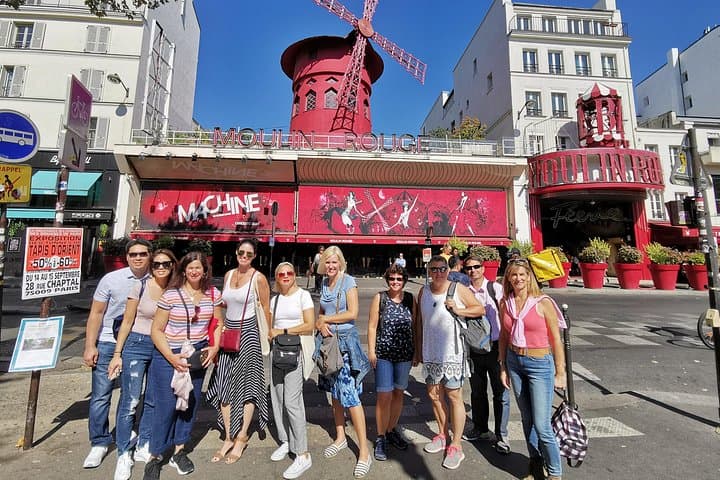
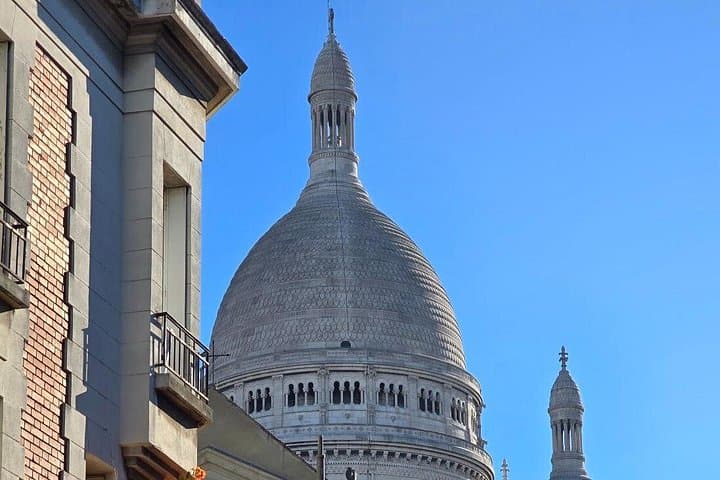
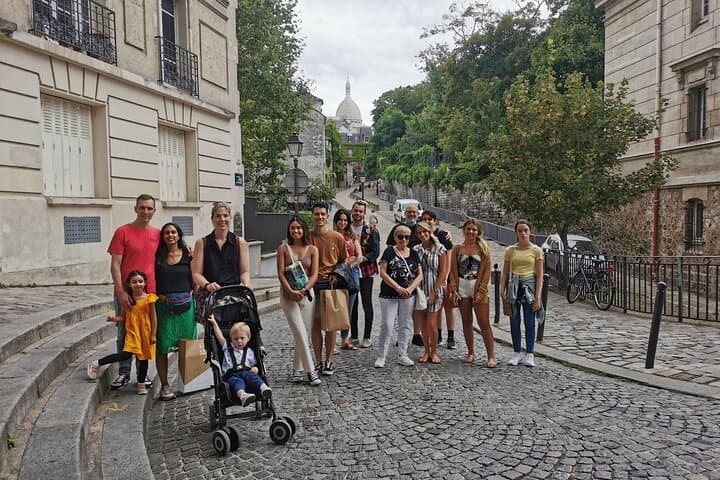
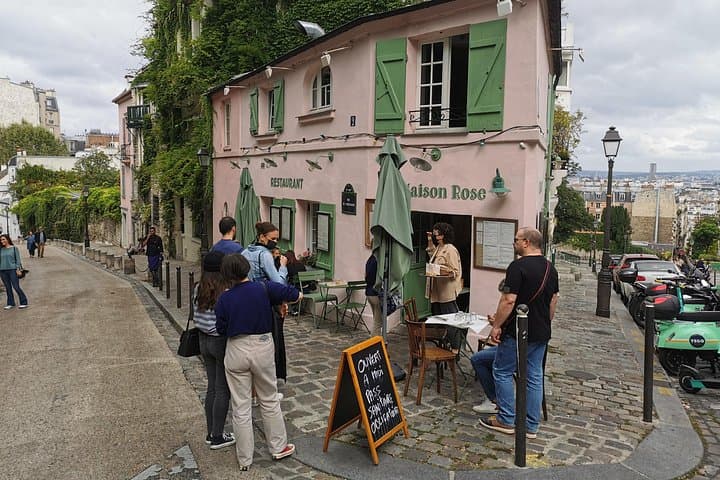
You step up from the Métro into a lane of cobbles and the city tilts: shop windows, easels and the white domes of Sacré‑Cœur crowning the hill. Morning light angles through plane trees, artists arrange canvases in Place du Tertre, and the air carries espresso and paint. The walk threads narrow streets, passes La Maison Rose’s rosy façade and the windmill silhouette of Moulin de la Galette before finishing on the basilica’s broad parvis with an expansive view over Paris.
You step up from the Métro into a lane of cobbles and the city tilts: shop windows, easels and the white domes of Sacré‑Cœur crowning the hill. Morning light angles through plane trees, artists arrange canvases in Place du Tertre, and the air carries espresso and paint. The walk threads narrow streets, passes La Maison Rose’s rosy façade and the windmill silhouette of Moulin de la Galette before finishing on the basilica’s broad parvis with an expansive view over Paris.
Montmartre’s identity grew in the 19th and early 20th centuries as a working‑class butte that attracted painters, writers and performers. The neighborhood’s slopes sit atop old gypsum and limestone outcrops and were once dotted with small quarries and windmills — relics still visible if you look closely. Cultural footprints are everywhere: Le Bateau‑Lavoir’s modest courtyard where Picasso and others pushed modern art forward, the Café des Deux Moulins immortalized by film, and public artworks like the “I Love You” Wall that reflect the area’s ongoing creative pulse.
Practical guidance: the tour lasts about 90 minutes and covers steep, uneven cobbles and short flights of steps; comfortable walking shoes are essential. Arrive early to avoid crowds at Place du Tertre and the Sacré‑Cœur or opt for late afternoon light for photography. Public transport options include Metro stations Anvers and Abbesses and a short funicular ride to the hilltop. Respect working artists by asking before photographing their work and keep to marked paths — the neighborhood is residential and benefits from low‑impact visitation.