THE ADVENTURE COLLECTIVE® · Independent discovery and booking for outdoor travel

Taste Montmartre one bite at a time on a small-group walking tour that pairs nine curated tastings with local history. Over two hours, traverse cobbled lanes, meet artisan sellers and finish with a cellar wine-and-cheese pairing.
Taste Montmartre one bite at a time on a small-group walking tour that pairs nine curated tastings with local history. Over two hours, traverse cobbled lanes, meet artisan sellers and finish with a cellar wine-and-cheese pairing.
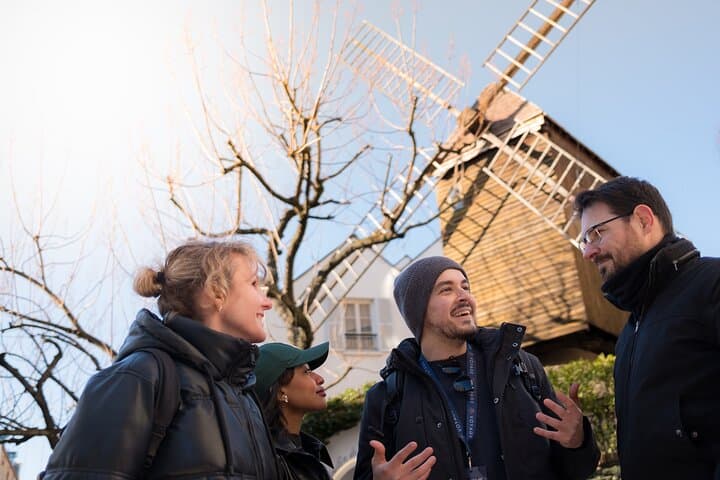
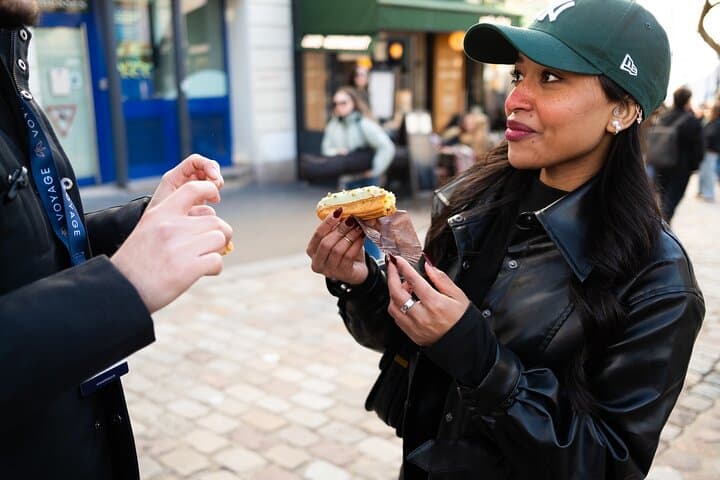
You step off the metro into a slope of cobbles, the air thick with warm bread and espresso. A guide waits with a small group — six people at most — and the walk unfolds like a tasting menu: a flaky brioche at a corner boulangerie, a crêpe pressed on the spot, then a narrow lane that smells of aged cheese and roasting coffee.
Verified experiences and guided adventures in the surrounding area.
Operated by VOYAGE · Paris, Île-de-France
You step off the metro into a slope of cobbles, the air thick with warm bread and espresso. A guide waits with a small group — six people at most — and the walk unfolds like a tasting menu: a flaky brioche at a corner boulangerie, a crêpe pressed on the spot, then a narrow lane that smells of aged cheese and roasting coffee.
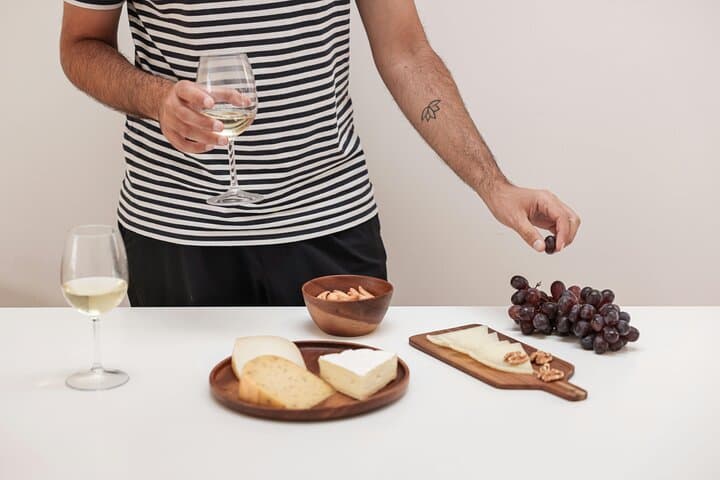
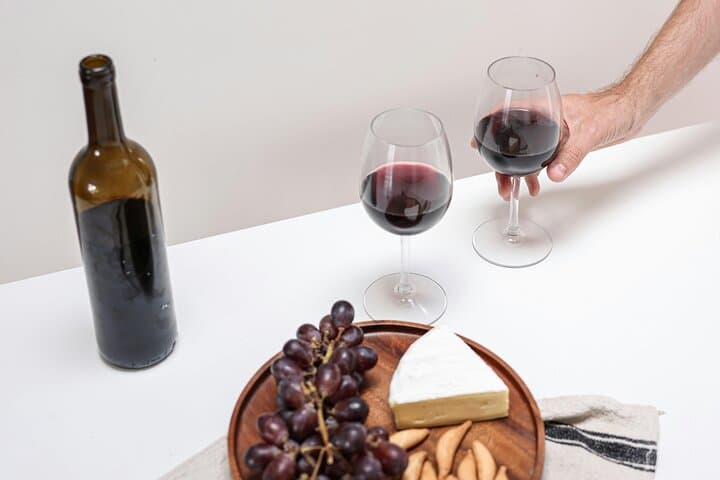
Montmartre sits on Paris’s highest hill, once a gypsum quarry and a magnet for painters and songwriters in the late 19th and early 20th centuries. The hill’s rocky base and the white domes of Sacré‑Cœur offer a skyline that matches the neighborhood’s creative history. The tour threads through Place du Tertre and past sites that inspired artists; it ends in a small cave-style cellar where a sommelier pairs regional wines with cheeses, explaining texture and terroir.
Expect walking on uneven cobbles, frequent steps and short hills — the experience is urban exploration flavored by food. The tasting sequence focuses on classic Parisian items: artisan breads, pâté and charcuterie, multiple cheeses, cider and several wines, plus pastries. Language and culinary anecdotes deepen the stops: technique behind croissant lamination, why Normandy apples suit cider, or how Parisian bakers time their ovens.
Practical tips: wear supportive shoes, bring a refillable water bottle and a light jacket for cellar coolness. If you have allergies or dietary needs, note them at booking. The two-hour rhythm suits a late-morning slot to avoid the heaviest crowds; after the tour, linger at a terrace for views and to digest both cheese and history.
moderate.
2 hours.
Moderate fitness: able to walk on uneven cobbles and climb short flights of stairs without difficulty.
The standard tasting includes meats, dairy and pastries; vegetarian options may be available if requested in advance, but vegan menus are generally not provided.
Meet near a central Montmartre point specified on booking; due to steep streets and steps the route is not suitable for wheelchair users.
Tours are led by local guides — check the booking page for the language offered, commonly English or French depending on the schedule.
Tastings are included, but purchasing additional products at shops is optional; tipping the guide is appreciated but discretionary.
Montmartre was a working-class hill that became a creative hub for painters and performers in the Belle Époque; Sacré‑Cœur was completed in the early 20th century and crowns the neighborhood.
The area balances tourism with local life; support independent artisans, minimize single-use plastics, and respect signage in shops to reduce impact.
VOYAGE operates guided outdoor trips and adventures with an emphasis on safety, stewardship, and memorable experiences.
You step off the metro into a slope of cobbles, the air thick with warm bread and espresso. A guide waits with a small group — six people at most — and the walk unfolds like a tasting menu: a flaky brioche at a corner boulangerie, a crêpe pressed on the spot, then a narrow lane that smells of aged cheese and roasting coffee.
You step off the metro into a slope of cobbles, the air thick with warm bread and espresso. A guide waits with a small group — six people at most — and the walk unfolds like a tasting menu: a flaky brioche at a corner boulangerie, a crêpe pressed on the spot, then a narrow lane that smells of aged cheese and roasting coffee.
Montmartre sits on Paris’s highest hill, once a gypsum quarry and a magnet for painters and songwriters in the late 19th and early 20th centuries. The hill’s rocky base and the white domes of Sacré‑Cœur offer a skyline that matches the neighborhood’s creative history. The tour threads through Place du Tertre and past sites that inspired artists; it ends in a small cave-style cellar where a sommelier pairs regional wines with cheeses, explaining texture and terroir.
Expect walking on uneven cobbles, frequent steps and short hills — the experience is urban exploration flavored by food. The tasting sequence focuses on classic Parisian items: artisan breads, pâté and charcuterie, multiple cheeses, cider and several wines, plus pastries. Language and culinary anecdotes deepen the stops: technique behind croissant lamination, why Normandy apples suit cider, or how Parisian bakers time their ovens.
Practical tips: wear supportive shoes, bring a refillable water bottle and a light jacket for cellar coolness. If you have allergies or dietary needs, note them at booking. The two-hour rhythm suits a late-morning slot to avoid the heaviest crowds; after the tour, linger at a terrace for views and to digest both cheese and history.