THE ADVENTURE COLLECTIVE® · Independent discovery and booking for outdoor travel

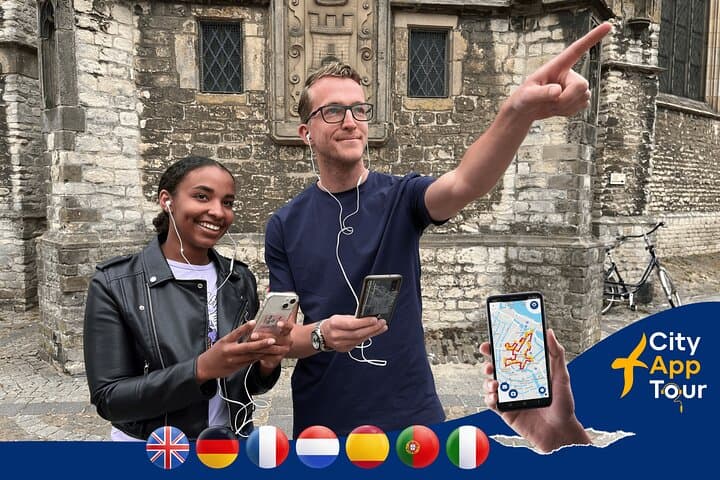
Explore Montmartre at your own pace with a GPS-guided audio tour in seven languages. Covering about 5 km and 41 narrated stops, the route connects Sacré-Cœur, Place du Tertre, the Wall of Love and Moulin Rouge while offering flexible timing to linger where you like.
Explore Montmartre at your own pace with a GPS-guided audio tour in seven languages. Covering about 5 km and 41 narrated stops, the route connects Sacré-Cœur, Place du Tertre, the Wall of Love and Moulin Rouge while offering flexible timing to linger where you like.
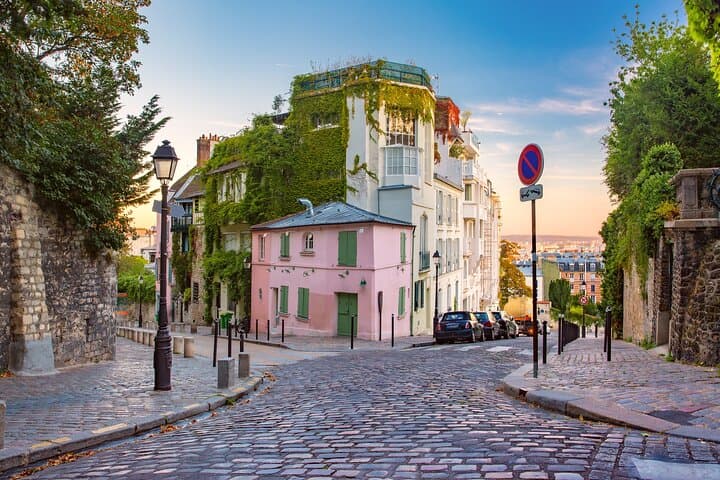
You step off the Metro and the streets of Montmartre pull you upward—pavement pitched, laughter spilling from cafés, alleys that narrow like secret passages. The basilica’s white dome watches over the neighborhood, while cobbled lanes and painted shutters lead you past painters, a red windmill, and the little shop that looks like a film set.
Verified experiences and guided adventures in the surrounding area.
Operated by City App Tour · Paris, Île-de-France
You step off the Metro and the streets of Montmartre pull you upward—pavement pitched, laughter spilling from cafés, alleys that narrow like secret passages. The basilica’s white dome watches over the neighborhood, while cobbled lanes and painted shutters lead you past painters, a red windmill, and the little shop that looks like a film set.
Montmartre began as a separate village and retained its village feel even after joining Paris in 1860. Its slopes were formed by river terraces and soft limestone, a geology that made the hill a working-class site of wineries and quarries before artists claimed its light in the 19th century. You’ll pass Place du Tertre where artists still sell sketches, the Wall of Love with “je t’aime” in dozens of languages, and the Moulin Rouge on the boulevard below—each stop a chapter in Parisian culture from bohemian ateliers to Belle Époque nightlife.
This self-guided audio walk (41 stories over roughly 5 km) lets you set the pace. Expect narrow stairs, occasional steep stretches, and plenty of photo stops; wear comfortable shoes and keep your phone charged. Use GPS guidance to stay on route and pause for a coffee or a museum visit—the ticket remains active until the end of the following day. Headsets sharpen the narration in crowded squares. For quieter windows, start early or late afternoon when the light softens and the plaza performers take a break. This is a practical, walkable way to read Montmartre on foot and learn the stories that shaped its streets.
easy.
2–3 hours.
Light walking fitness; able to manage several short stair sections and 5 km of paved/cobbled terrain.
The narrated content covers about 2–3 hours of walking, but you have until the end of the next day to finish at your own pace.
Yes—the activity requires an internet connection and GPS on your phone for route guidance and audio streaming.
Children can do the route, but narrow streets and stairs make parts of it difficult for strollers; a carrier or plan to bypass stairs is recommended.
The audio guide is offered in seven languages; select your preferred language within the app after activation.
Montmartre was a separate village until 1860 and became a hub for artists like Picasso and Van Gogh, drawn by cheap rents and the quality of light on the hill.
Stay on paved paths, avoid leaning on fragile facades, and support local businesses rather than souvenir kiosks to keep the neighborhood economically vibrant.
City App Tour operates guided outdoor trips and adventures with an emphasis on safety, stewardship, and memorable experiences.


You step off the Metro and the streets of Montmartre pull you upward—pavement pitched, laughter spilling from cafés, alleys that narrow like secret passages. The basilica’s white dome watches over the neighborhood, while cobbled lanes and painted shutters lead you past painters, a red windmill, and the little shop that looks like a film set.
You step off the Metro and the streets of Montmartre pull you upward—pavement pitched, laughter spilling from cafés, alleys that narrow like secret passages. The basilica’s white dome watches over the neighborhood, while cobbled lanes and painted shutters lead you past painters, a red windmill, and the little shop that looks like a film set.
Montmartre began as a separate village and retained its village feel even after joining Paris in 1860. Its slopes were formed by river terraces and soft limestone, a geology that made the hill a working-class site of wineries and quarries before artists claimed its light in the 19th century. You’ll pass Place du Tertre where artists still sell sketches, the Wall of Love with “je t’aime” in dozens of languages, and the Moulin Rouge on the boulevard below—each stop a chapter in Parisian culture from bohemian ateliers to Belle Époque nightlife.
This self-guided audio walk (41 stories over roughly 5 km) lets you set the pace. Expect narrow stairs, occasional steep stretches, and plenty of photo stops; wear comfortable shoes and keep your phone charged. Use GPS guidance to stay on route and pause for a coffee or a museum visit—the ticket remains active until the end of the following day. Headsets sharpen the narration in crowded squares. For quieter windows, start early or late afternoon when the light softens and the plaza performers take a break. This is a practical, walkable way to read Montmartre on foot and learn the stories that shaped its streets.