THE ADVENTURE COLLECTIVE® · Independent discovery and booking for outdoor travel

Walk the lanes and stairways where Van Gogh and Picasso lived, ending at Sacré‑Cœur for a panoramic finish. This private 2.5‑hour guided tour blends art history, local lore, and city views with practical tips for navigating Montmartre’s steep, cobbled streets.
Walk the lanes and stairways where Van Gogh and Picasso lived, ending at Sacré‑Cœur for a panoramic finish. This private 2.5‑hour guided tour blends art history, local lore, and city views with practical tips for navigating Montmartre’s steep, cobbled streets.
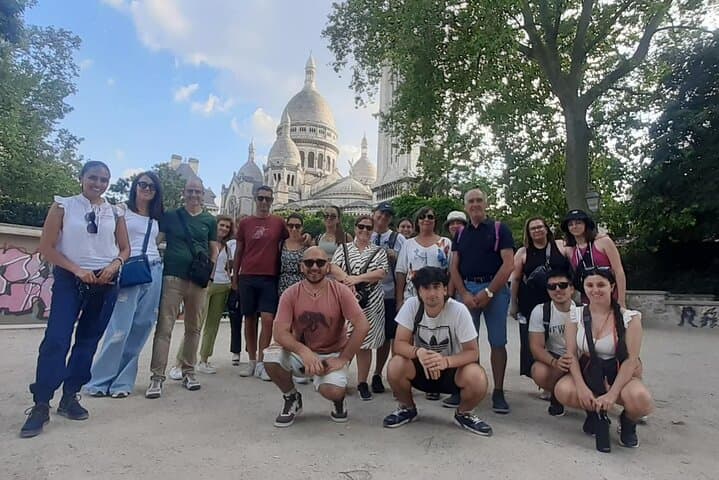
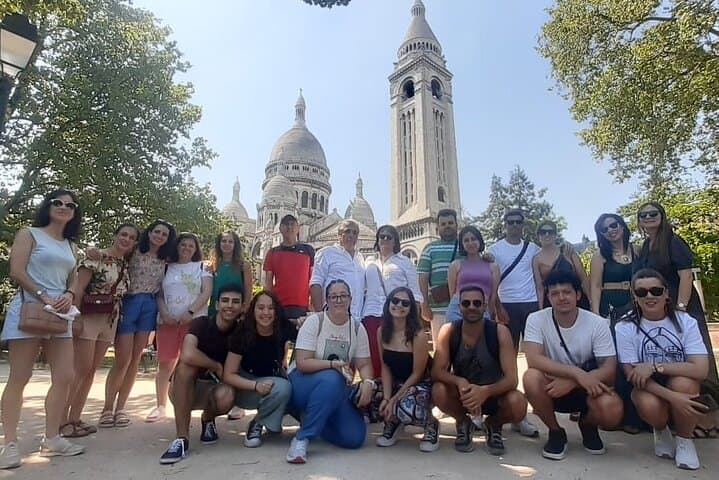
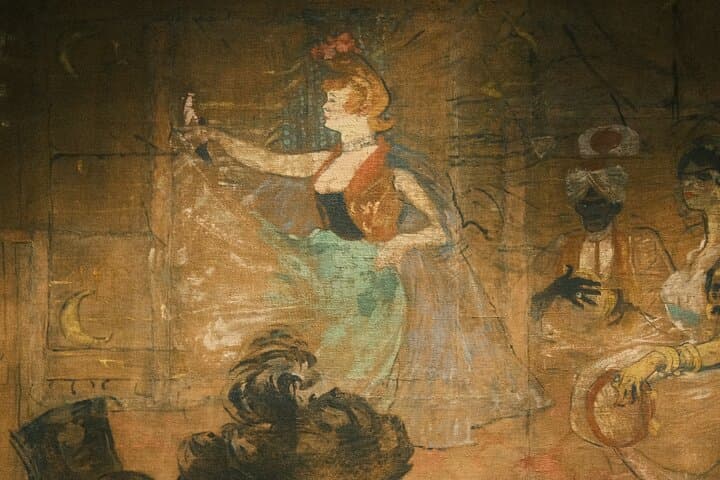
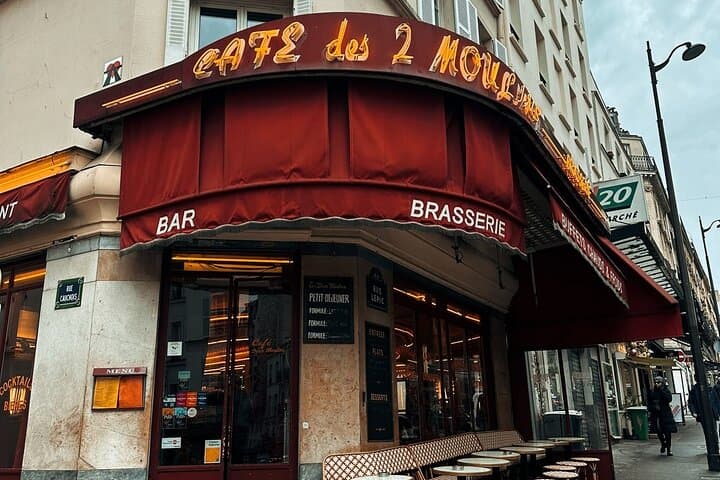
The cobbles tilt beneath your feet and the city unfolds below: narrow lanes, iron balconies, café terraces, and the white dome of Sacré‑Cœur holding the skyline. This private 2½-hour walk threads Montmartre’s steep streets, from the cabaret echoes near the Moulin Rouge to the painters’ squares where easels crowd the pavement. Expect intimate alleys, stepped stairways and open viewpoints that push your pace upward and reward you with sweeping Paris panoramas.
Verified experiences and guided adventures in the surrounding area.
Operated by Paris Tours Coop · Paris, Île-de-France
The cobbles tilt beneath your feet and the city unfolds below: narrow lanes, iron balconies, café terraces, and the white dome of Sacré‑Cœur holding the skyline. This private 2½-hour walk threads Montmartre’s steep streets, from the cabaret echoes near the Moulin Rouge to the painters’ squares where easels crowd the pavement. Expect intimate alleys, stepped stairways and open viewpoints that push your pace upward and reward you with sweeping Paris panoramas.
Montmartre rose from a rural vignette to the epicenter of the Belle Époque; its clay soils and shallow chalk foundations shaped the hill that became a refuge for artists like Van Gogh and Picasso. The neighborhood’s built fabric—windmills, small gardens, and the basilica—reflects nineteenth-century rapid urbanization and the political history tied to the 1871 Commune.
Culturally, Montmartre still hums with creative labor: small studios, street portraitists, and traditional cafés. Guides often point out hidden courtyards, former ateliers, and the Moulin de la Galette site that inspired impressionist canvases. Note: this tour does not include paid museum or monument entries, but pauses for photos and neighborhood lore are ample.
Practical guidance: the route covers roughly 2–3 km with about 80–130 m of climbing over uneven cobbles and several stair flights—good tread is essential. Morning or late afternoon visits cut down on crowds; bring a lightweight jacket for hilltop winds, a water bottle, and small change for quick café stops. Public transport is nearby; meeting details are provided at booking.
moderate.
2–2.5 hours.
Moderate fitness recommended—comfortable walking ability, able to handle short steep sections and stairs.
The private tour runs about 150 minutes and typically covers roughly 2–3 km across Montmartre with 80–130 m of elevation change.
No—this tour focuses on streets, squares, and exterior viewpoints; paid entries to museums or Sacré‑Cœur interiors are not included.
Parts of Montmartre have steep staircases and uneven cobbles; some sections are accessible but full wheelchair access cannot be guaranteed—discuss needs with the operator when booking.
Meeting details are confirmed at booking; guides commonly arrange to meet near a central Abbesses or Place du Tertre metro exit for convenience.
Montmartre transformed from agricultural village to bohemian quarter in the 19th century and played a visible role during the Paris Commune; the Sacré‑Cœur was built in the late 1800s as a civic-religious landmark.
Montmartre’s narrow streets are fragile—stay on paved paths, avoid touching private façades, and support local businesses to help maintain the district’s cultural character.
Paris Tours Coop operates guided outdoor trips and adventures with an emphasis on safety, stewardship, and memorable experiences.
The cobbles tilt beneath your feet and the city unfolds below: narrow lanes, iron balconies, café terraces, and the white dome of Sacré‑Cœur holding the skyline. This private 2½-hour walk threads Montmartre’s steep streets, from the cabaret echoes near the Moulin Rouge to the painters’ squares where easels crowd the pavement. Expect intimate alleys, stepped stairways and open viewpoints that push your pace upward and reward you with sweeping Paris panoramas.
The cobbles tilt beneath your feet and the city unfolds below: narrow lanes, iron balconies, café terraces, and the white dome of Sacré‑Cœur holding the skyline. This private 2½-hour walk threads Montmartre’s steep streets, from the cabaret echoes near the Moulin Rouge to the painters’ squares where easels crowd the pavement. Expect intimate alleys, stepped stairways and open viewpoints that push your pace upward and reward you with sweeping Paris panoramas.
Montmartre rose from a rural vignette to the epicenter of the Belle Époque; its clay soils and shallow chalk foundations shaped the hill that became a refuge for artists like Van Gogh and Picasso. The neighborhood’s built fabric—windmills, small gardens, and the basilica—reflects nineteenth-century rapid urbanization and the political history tied to the 1871 Commune.
Culturally, Montmartre still hums with creative labor: small studios, street portraitists, and traditional cafés. Guides often point out hidden courtyards, former ateliers, and the Moulin de la Galette site that inspired impressionist canvases. Note: this tour does not include paid museum or monument entries, but pauses for photos and neighborhood lore are ample.
Practical guidance: the route covers roughly 2–3 km with about 80–130 m of climbing over uneven cobbles and several stair flights—good tread is essential. Morning or late afternoon visits cut down on crowds; bring a lightweight jacket for hilltop winds, a water bottle, and small change for quick café stops. Public transport is nearby; meeting details are provided at booking.