THE ADVENTURE COLLECTIVE® · Independent discovery and booking for outdoor travel

Race up Montmartre’s steps with a briefcase of clues and detective props in this 2.5‑hour urban treasure hunt. Solve puzzles, explore artists’ streets and compete for a prize while learning the hill’s surprising history.
Race up Montmartre’s steps with a briefcase of clues and detective props in this 2.5‑hour urban treasure hunt. Solve puzzles, explore artists’ streets and compete for a prize while learning the hill’s surprising history.
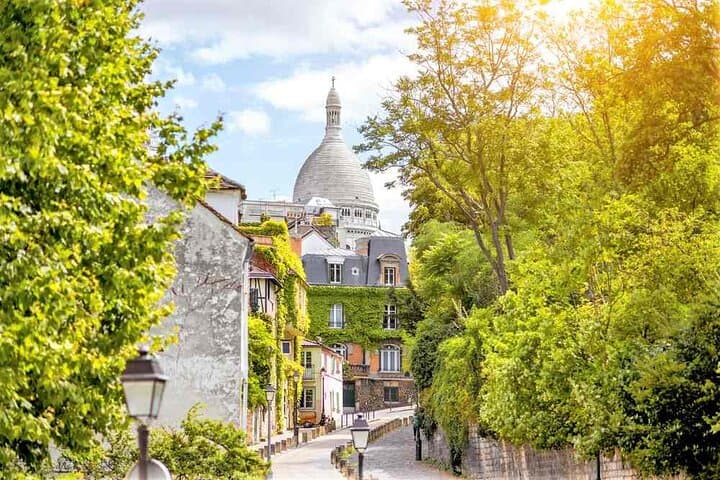
The cobbles send back your footsteps as your team huddles over a battered road book. Wind teases the posters on Rue des Abbesses and a distant bell from Sacré‑Cœur marks the hour — the chrono has started.
Verified experiences and guided adventures in the surrounding area.
Operated by Quiveutpister · Paris, Île-de-France
The cobbles send back your footsteps as your team huddles over a battered road book. Wind teases the posters on Rue des Abbesses and a distant bell from Sacré‑Cœur marks the hour — the chrono has started.
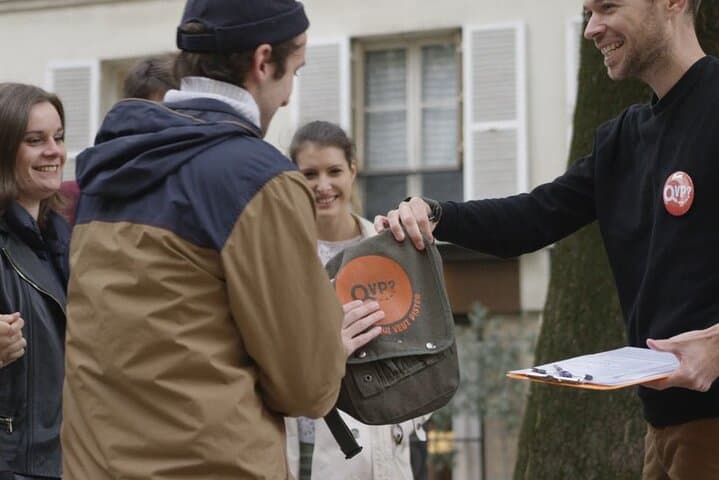
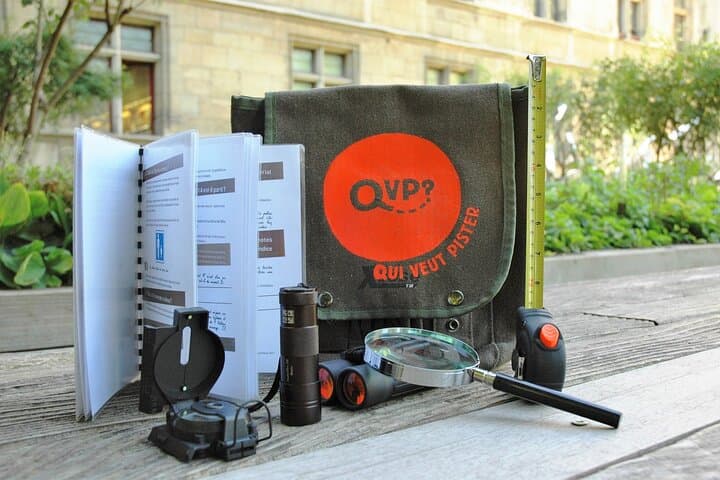
This investigation game in Montmartre blends a walking tour with puzzle-solving and a friendly race against other teams. Players receive a briefcase containing a route book and detective props, then follow clues through narrow lanes, past artists’ workshops, and up stairways that reveal courtyard gardens and roofline views. It’s equal parts scavenger hunt, outdoor escape room and neighborhood visit.
Montmartre’s hill was once a gypsum and limestone quarry; centuries later it became the bohemian quarter that hosted painters and cabarets like the Moulin Rouge. The district’s layered history — rural village, artistic enclave, pilgrimage site beneath Sacré‑Cœur — gives every clue a cultural hook and every shortcut a story.
Expect uneven, often steep terrain: cobblestones, staircases and short climbs punctuate a roughly 2–4 km route completed in about 2.5 hours. Public sessions run on set dates (commonly Saturday afternoons) while private bookings let groups play alone. Teams are ranked by answers, speed, and puzzle solutions, with a small prize for the top team.
Practicalities: comfortable shoes, a charged phone for photos and maps, and a moderate fitness level make the game enjoyable. Use Metro lines to access the start, allow extra time for queues at café terraces, and be ready to read plaques and storefront details—the clues live in the architecture as much as the road book.
moderate.
2–3 hours.
Moderate — participants should be comfortable walking on uneven cobbles and climbing short stair sections.
The scheduled duration is about 150 minutes; a moderate fitness level is enough — expect 2–4 km of walking with uneven cobbles and stair climbs.
Yes — private formulas are offered so your group plays alone; public sessions run on set dates, commonly Saturday afternoons at 14:30.
Yes — the activity notes that infants and small children can use strollers, but some sections have stairs where you’ll need to carry a stroller.
The game runs in most weather; organizers typically do not cancel for light rain, so bring rain gear and wear appropriate shoes.
Montmartre transitioned from a rural village and gypsum quarry to a 19th‑century artistic quarter frequented by painters, cabaret performers and writers; the hill’s character still reflects that creative past.
Visitors are asked to respect residents by keeping noise down, avoiding litter, and staying on public paths; preserving historic facades and stairways keeps the neighborhood accessible.
Quiveutpister operates guided outdoor trips and adventures with an emphasis on safety, stewardship, and memorable experiences.

The cobbles send back your footsteps as your team huddles over a battered road book. Wind teases the posters on Rue des Abbesses and a distant bell from Sacré‑Cœur marks the hour — the chrono has started.
The cobbles send back your footsteps as your team huddles over a battered road book. Wind teases the posters on Rue des Abbesses and a distant bell from Sacré‑Cœur marks the hour — the chrono has started.
This investigation game in Montmartre blends a walking tour with puzzle-solving and a friendly race against other teams. Players receive a briefcase containing a route book and detective props, then follow clues through narrow lanes, past artists’ workshops, and up stairways that reveal courtyard gardens and roofline views. It’s equal parts scavenger hunt, outdoor escape room and neighborhood visit.
Montmartre’s hill was once a gypsum and limestone quarry; centuries later it became the bohemian quarter that hosted painters and cabarets like the Moulin Rouge. The district’s layered history — rural village, artistic enclave, pilgrimage site beneath Sacré‑Cœur — gives every clue a cultural hook and every shortcut a story.
Expect uneven, often steep terrain: cobblestones, staircases and short climbs punctuate a roughly 2–4 km route completed in about 2.5 hours. Public sessions run on set dates (commonly Saturday afternoons) while private bookings let groups play alone. Teams are ranked by answers, speed, and puzzle solutions, with a small prize for the top team.
Practicalities: comfortable shoes, a charged phone for photos and maps, and a moderate fitness level make the game enjoyable. Use Metro lines to access the start, allow extra time for queues at café terraces, and be ready to read plaques and storefront details—the clues live in the architecture as much as the road book.