THE ADVENTURE COLLECTIVE® · Independent discovery and booking for outdoor travel

Taste Montmartre in two hours: six local samplings paired with tales of artists, rebels and the hill that shaped them. This compact walking tour mixes savory bites, steep alleys and stops at the Wall of Love and Sacré‑Cœur.
Taste Montmartre in two hours: six local samplings paired with tales of artists, rebels and the hill that shaped them. This compact walking tour mixes savory bites, steep alleys and stops at the Wall of Love and Sacré‑Cœur.
You step up from Anvers metro into a patchwork of cobbles and steep alleys, the city tilting beneath you as the basilica crowns the skyline. The air carries butter and sugar, street artists call across small squares, and your guide threads stories of painters and provocateurs between bites.
Verified experiences and guided adventures in the surrounding area.
Operated by Bon Appétit walks · Paris, Île-de-France
You step up from Anvers metro into a patchwork of cobbles and steep alleys, the city tilting beneath you as the basilica crowns the skyline. The air carries butter and sugar, street artists call across small squares, and your guide threads stories of painters and provocateurs between bites.
Montmartre was a working hill outside medieval Paris that became a magnet for bohemians in the late 19th and early 20th centuries—Renoir, Toulouse-Lautrec and Picasso found cheap studios here. Geologically, the hill is an old gypsum quarry whose slopes shape the tight streets and sudden viewpoints that define the neighborhood. Culturally, cafés and small ateliers still pulse alongside modern boulangeries and the tiny Clos Montmartre vineyard.
On a 2–2.5 hour guided walk from Anvers to Sacré‑Cœur you’ll sample six tastings—think kouign‑amann, croque‑monsieur, éclair and macaron—while pausing at the Wall of Love, artist squares and a narrow street with a well-loved pink house. Expect short, steep climbs, cobbles and flights of stairs rather than long distances; the tour is intimate, often limited to small groups.
Practical guide: wear supportive shoes, bring a small water bottle, and plan for 90–150 minutes on foot with uphill sections and steps. Public transit to Anvers (line 2) is straightforward; come with moderate fitness and a light jacket—weather can shift on the hill. Respect local shops, tip your guide if the experience felt personal, and leave space for photographers at viewpoints.
moderate.
2–2.5 hours.
Moderate—able to handle repeated short uphill sections and several flights of stairs.
The tour runs about 2–2.5 hours and includes six tastings that showcase local pastries, a savory snack and classic Parisian sweets.
The neighborhood has steep slopes and many stairs; while some sections are stroller accessible, full wheelchair access is limited—contact the operator for specifics.
Yes—most operators accept special requests for allergies or dietary needs if notified in advance when booking.
Meet at Anvers metro station (Line 2); it’s a short walk up the hill to the first meeting point and well served by public transit.
Montmartre evolved from a rural hamlet and gypsum quarries into a bohemian hub where many influential artists lived and worked; Sacré‑Cœur was built around 1875–1914 after the Franco‑Prussian War.
Tourism pressure can strain narrow streets and small businesses—support local artisans, stay on paths, and avoid litter or loud behavior to help preserve neighborhood character.
Bon Appétit walks operates guided outdoor trips and adventures with an emphasis on safety, stewardship, and memorable experiences.
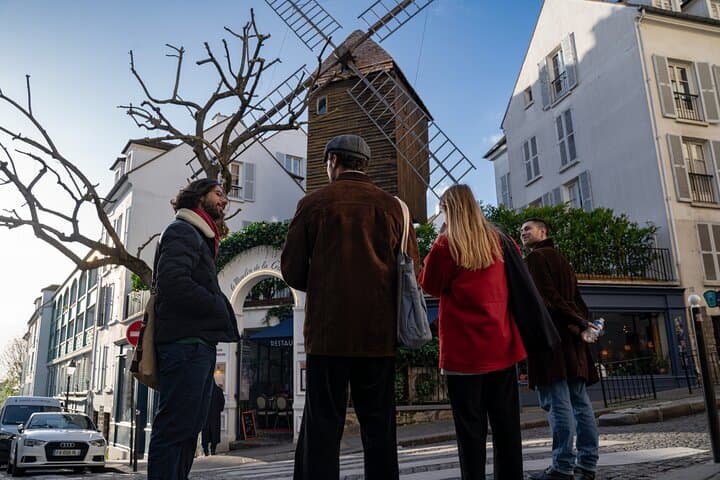
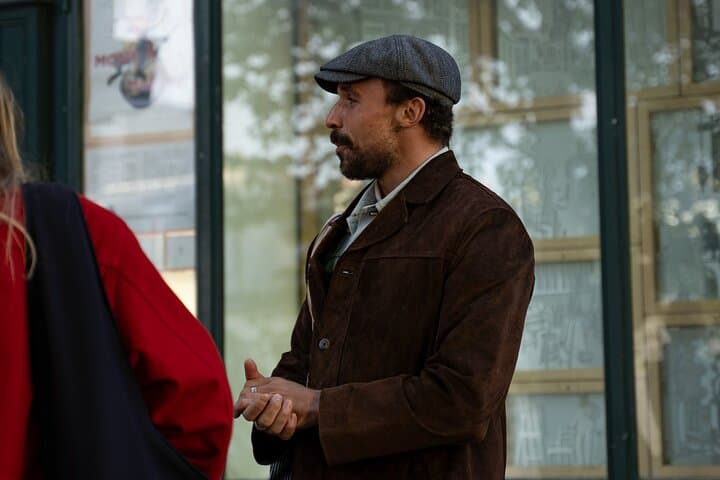
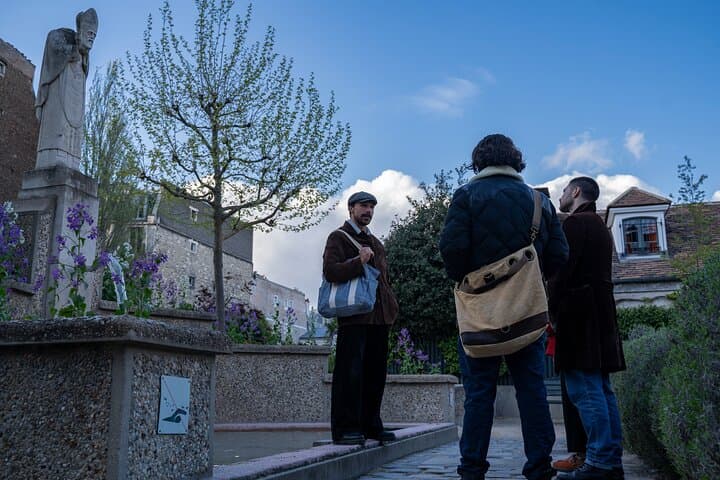
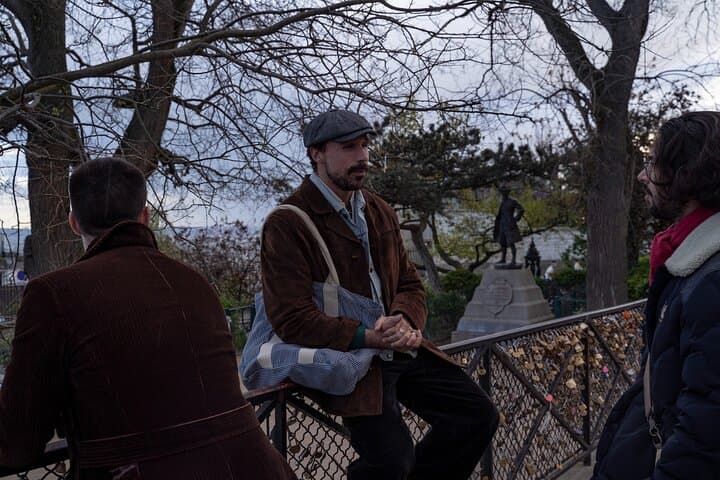
You step up from Anvers metro into a patchwork of cobbles and steep alleys, the city tilting beneath you as the basilica crowns the skyline. The air carries butter and sugar, street artists call across small squares, and your guide threads stories of painters and provocateurs between bites.
You step up from Anvers metro into a patchwork of cobbles and steep alleys, the city tilting beneath you as the basilica crowns the skyline. The air carries butter and sugar, street artists call across small squares, and your guide threads stories of painters and provocateurs between bites.
Montmartre was a working hill outside medieval Paris that became a magnet for bohemians in the late 19th and early 20th centuries—Renoir, Toulouse-Lautrec and Picasso found cheap studios here. Geologically, the hill is an old gypsum quarry whose slopes shape the tight streets and sudden viewpoints that define the neighborhood. Culturally, cafés and small ateliers still pulse alongside modern boulangeries and the tiny Clos Montmartre vineyard.
On a 2–2.5 hour guided walk from Anvers to Sacré‑Cœur you’ll sample six tastings—think kouign‑amann, croque‑monsieur, éclair and macaron—while pausing at the Wall of Love, artist squares and a narrow street with a well-loved pink house. Expect short, steep climbs, cobbles and flights of stairs rather than long distances; the tour is intimate, often limited to small groups.
Practical guide: wear supportive shoes, bring a small water bottle, and plan for 90–150 minutes on foot with uphill sections and steps. Public transit to Anvers (line 2) is straightforward; come with moderate fitness and a light jacket—weather can shift on the hill. Respect local shops, tip your guide if the experience felt personal, and leave space for photographers at viewpoints.