THE ADVENTURE COLLECTIVE® · Independent discovery and booking for outdoor travel

Climb Montjuïc for panoramic harbor views, Modernist architecture from the 1929 World Fair, and a tapas finish in Poble Sec. This 3‑hour walking tour combines urban history, Olympic sites and neighborhood flavor.
Climb Montjuïc for panoramic harbor views, Modernist architecture from the 1929 World Fair, and a tapas finish in Poble Sec. This 3‑hour walking tour combines urban history, Olympic sites and neighborhood flavor.
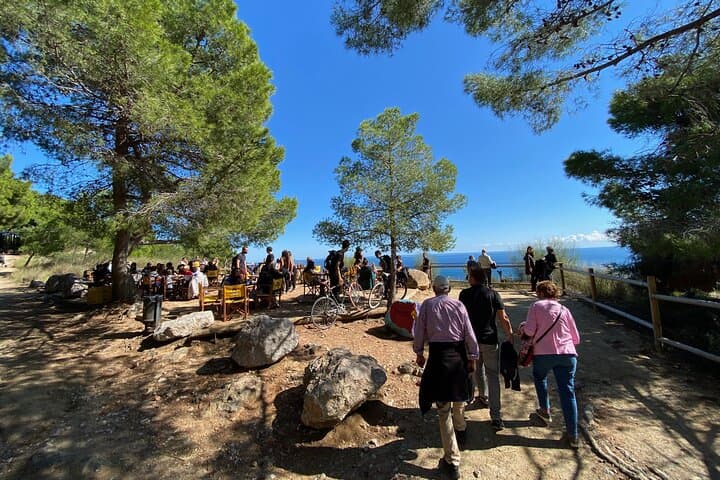
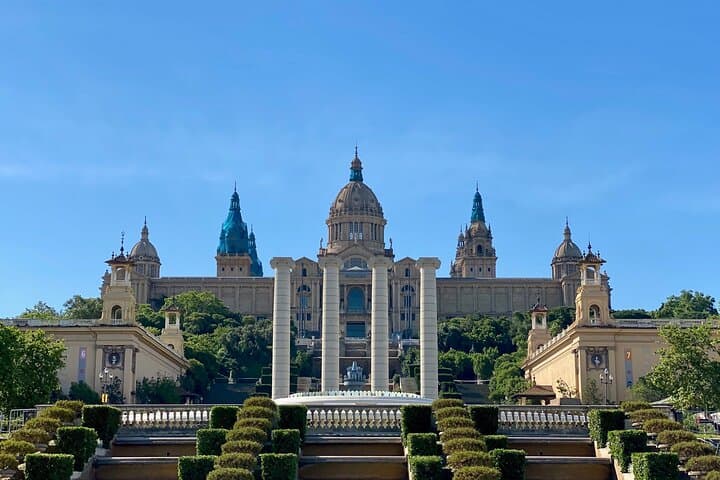
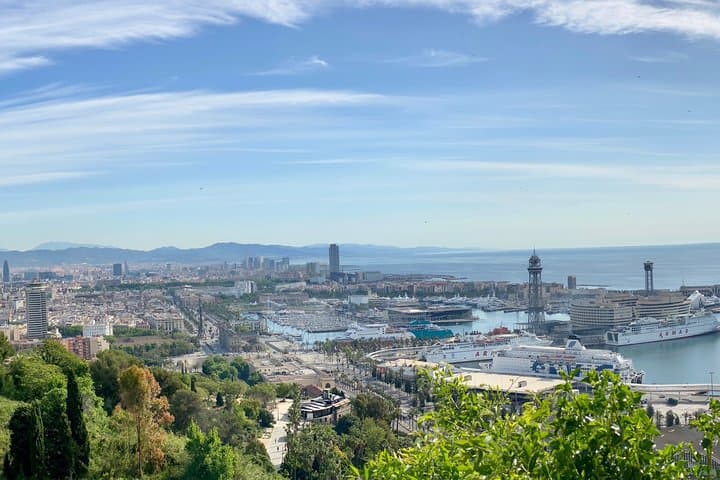
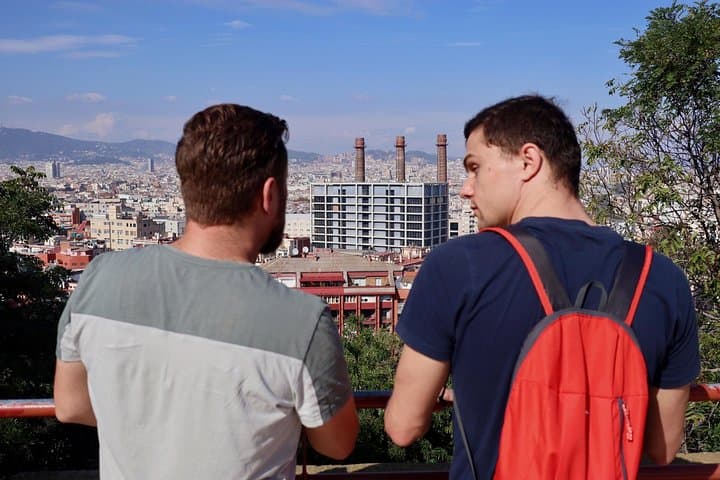
Morning light slices across the harbor as the group rises on the slopes of Montjuïc, Barcelona’s long-standing watch tower. The path climbs past the clean lines of the 1929 exhibition pavilions, opens onto the broad sweep of the Olympic Ring, and pauses where pine shade and city air meet over the Mediterranean.
Verified experiences and guided adventures in the surrounding area.
Operated by The Barcelona Feeling · Barcelona, Catalonia
Morning light slices across the harbor as the group rises on the slopes of Montjuïc, Barcelona’s long-standing watch tower. The path climbs past the clean lines of the 1929 exhibition pavilions, opens onto the broad sweep of the Olympic Ring, and pauses where pine shade and city air meet over the Mediterranean.
The hill itself has stood over Barcelona for centuries—fortified as a castle in medieval and modern conflicts and repurposed as a stage for global events from the 1929 World Fair to the 1992 Olympics. Walkers trace those layers: Bauhaus geometry at the German Pavilion, terraces of the Botanical Garden, the solemn rows of the city cemetery, and the fortress that once guarded the harbor.
Terrain alternates between stone steps, paved promenades and park trails; total distance is roughly 5 miles (8 km) round-trip with about 200–250 m of elevation gain, so expect steady uphill stretches. Cultural notes arrive en route: anecdotes about the Alternative People’s Games of 1936, local pinchos culture in Poble Sec, and occasional glimpses into small beer gardens beneath maritime pines.
Practical guidance: plan for three hours, wear supportive footwear, and carry water—the sun can be sharp on exposed viewpoints. Public transit drops you near the World Fair grounds if you prefer a shorter ascent. Finish in Calle Blai to reward the walk with tapas and local atmosphere. This tour balances urban history, open views and neighborhood flavors—an accessible hillwalk that reads like a compact civic history.
moderate.
3 hours.
Moderate—comfortable walking for ~5 miles with sustained uphill sections; stairs are common.
The meeting point is near the German Pavilion of the 1929 World Fair close to Plaça d'Espanya; exact pickup location is provided on booking.
Children 6 and older may participate, but the route includes steep uphill sections and stairs—consider a shorter plan for younger kids.
Yes—the area is well served by buses and metro lines at Plaça d'Espanya and Paral·lel; your guide can point out the closest stops.
No—this tour is a walking tour with viewpoints and exterior visits; castle or museum entries are not included unless specified.
Montjuïc hosted the 1929 International Exposition and the 1992 Olympics; its fortress and cemetery reflect the hill’s military and civic roles across centuries.
Stay on marked paths to limit erosion, respect cemetery grounds, and support local bars and gardens to keep small businesses thriving.
The Barcelona Feeling operates guided outdoor trips and adventures with an emphasis on safety, stewardship, and memorable experiences.
Morning light slices across the harbor as the group rises on the slopes of Montjuïc, Barcelona’s long-standing watch tower. The path climbs past the clean lines of the 1929 exhibition pavilions, opens onto the broad sweep of the Olympic Ring, and pauses where pine shade and city air meet over the Mediterranean.
Morning light slices across the harbor as the group rises on the slopes of Montjuïc, Barcelona’s long-standing watch tower. The path climbs past the clean lines of the 1929 exhibition pavilions, opens onto the broad sweep of the Olympic Ring, and pauses where pine shade and city air meet over the Mediterranean.
The hill itself has stood over Barcelona for centuries—fortified as a castle in medieval and modern conflicts and repurposed as a stage for global events from the 1929 World Fair to the 1992 Olympics. Walkers trace those layers: Bauhaus geometry at the German Pavilion, terraces of the Botanical Garden, the solemn rows of the city cemetery, and the fortress that once guarded the harbor.
Terrain alternates between stone steps, paved promenades and park trails; total distance is roughly 5 miles (8 km) round-trip with about 200–250 m of elevation gain, so expect steady uphill stretches. Cultural notes arrive en route: anecdotes about the Alternative People’s Games of 1936, local pinchos culture in Poble Sec, and occasional glimpses into small beer gardens beneath maritime pines.
Practical guidance: plan for three hours, wear supportive footwear, and carry water—the sun can be sharp on exposed viewpoints. Public transit drops you near the World Fair grounds if you prefer a shorter ascent. Finish in Calle Blai to reward the walk with tapas and local atmosphere. This tour balances urban history, open views and neighborhood flavors—an accessible hillwalk that reads like a compact civic history.