THE ADVENTURE COLLECTIVE® · Independent discovery and booking for outdoor travel

Walk La Rambla into Montjuïc’s panoramas on a compact 3–4 hour guided tour that pairs La Boqueria and Gothic alleys with an exclusive visit to Montjuïc Castle and a scenic cable car ride. Ideal for first-time Barcelona visitors wanting history, views, and efficient logistics.
Walk La Rambla into Montjuïc’s panoramas on a compact 3–4 hour guided tour that pairs La Boqueria and Gothic alleys with an exclusive visit to Montjuïc Castle and a scenic cable car ride. Ideal for first-time Barcelona visitors wanting history, views, and efficient logistics.
You step off La Rambla into a corridor of sound: the chatter of market vendors at La Boqueria, wheels of delivery carts, and pockets of Gothic shadow where stone keeps cool. The guide leads the small group through narrow medieval lanes, past carved facades and a modernist pulse that pinches between old city blocks and the sea.
Verified experiences and guided adventures in the surrounding area.
Operated by Visit Barca · Barcelona, Catalonia
You step off La Rambla into a corridor of sound: the chatter of market vendors at La Boqueria, wheels of delivery carts, and pockets of Gothic shadow where stone keeps cool. The guide leads the small group through narrow medieval lanes, past carved facades and a modernist pulse that pinches between old city blocks and the sea.
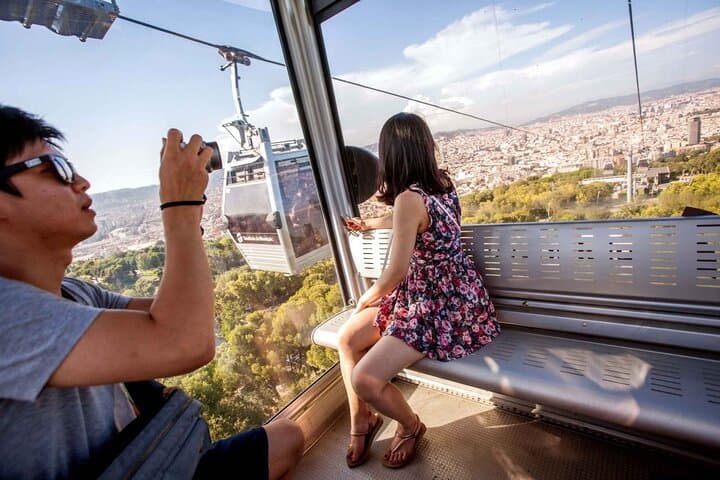
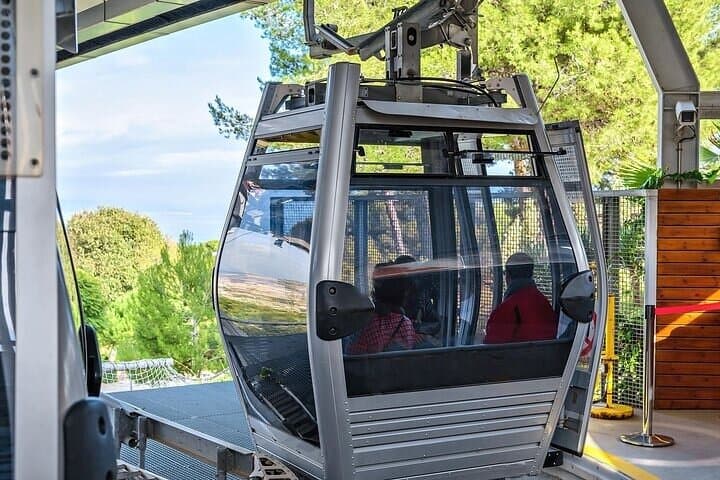
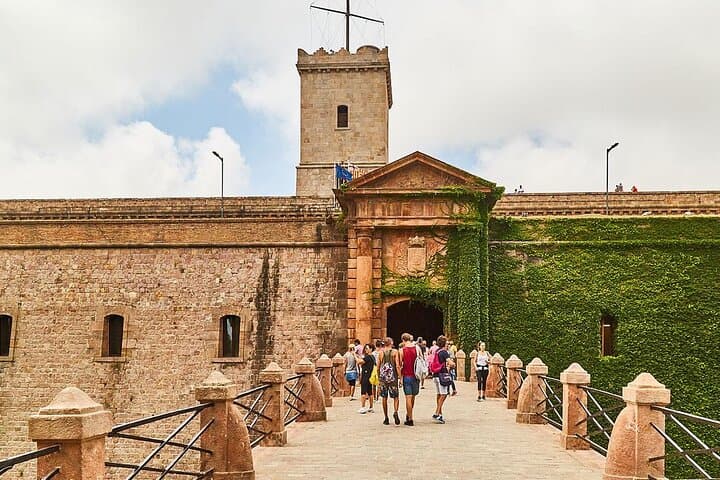
The route climbs in purpose: a funicular ride to Montjuïc, a cable car that lifts you over the city’s terraces and the harbor, and an exclusive visit into Montjuïc Castle’s fortifications and dungeons. Montjuïc itself is an uplifted block of basalt and man-made gardens—used for defense since the 17th century and later reshaped for world fairs and the 1992 Olympics—so the walk mixes military history, landscape design, and panoramic lookout points where the Mediterranean dares you to look outward.
Expect a layered cultural tour: La Boqueria’s modernist market stalls, the operatic frontage of the Gran Teatre del Liceu, Gaudí’s early manor at Palau Güell, and the streetwise character of El Raval with its cafés and street art. The castle visit brings architecture and geopolitics into view; the cable car gives you the city’s grid and coastline in a single sweep.
Practical edge: the tour covers uneven cobbles and uphill sections, so wear sturdy walking shoes, carry water, and choose morning or late-afternoon slots to avoid peak heat. Public transport links back to the Old Town are frequent, and the guided format with round-trip cable car and funicular tickets compresses a lot of sightseeing into a manageable 3–4 hour outing.
easy.
3–3.5 hours.
Basic walking fitness; able to manage several miles of urban walking with short uphill sections and stairs.
Yes—this tour includes round-trip Montjuïc funicular and cable car tickets as part of the itinerary.
No; the route includes steep paths, stairs, and uneven surfaces and is not suitable for wheelchair users.
Guiding language depends on the operator’s schedule—check booking details for available language options before you reserve.
Arrive 10–15 minutes before the scheduled start at the meeting address (C/ de la Portaferrissa) to check in and avoid delaying the group.
Montjuïc has been a strategic military site since the 17th century and was modernized for exhibitions and the 1992 Olympics; La Boqueria grew from medieval food stalls into Barcelona’s central market.
High foot traffic and historic stonework require respectful use—stay on paths, avoid climbing on monuments, and use public transport to reduce local congestion.
Visit Barca operates guided outdoor trips and adventures with an emphasis on safety, stewardship, and memorable experiences.

You step off La Rambla into a corridor of sound: the chatter of market vendors at La Boqueria, wheels of delivery carts, and pockets of Gothic shadow where stone keeps cool. The guide leads the small group through narrow medieval lanes, past carved facades and a modernist pulse that pinches between old city blocks and the sea.
You step off La Rambla into a corridor of sound: the chatter of market vendors at La Boqueria, wheels of delivery carts, and pockets of Gothic shadow where stone keeps cool. The guide leads the small group through narrow medieval lanes, past carved facades and a modernist pulse that pinches between old city blocks and the sea.
The route climbs in purpose: a funicular ride to Montjuïc, a cable car that lifts you over the city’s terraces and the harbor, and an exclusive visit into Montjuïc Castle’s fortifications and dungeons. Montjuïc itself is an uplifted block of basalt and man-made gardens—used for defense since the 17th century and later reshaped for world fairs and the 1992 Olympics—so the walk mixes military history, landscape design, and panoramic lookout points where the Mediterranean dares you to look outward.
Expect a layered cultural tour: La Boqueria’s modernist market stalls, the operatic frontage of the Gran Teatre del Liceu, Gaudí’s early manor at Palau Güell, and the streetwise character of El Raval with its cafés and street art. The castle visit brings architecture and geopolitics into view; the cable car gives you the city’s grid and coastline in a single sweep.
Practical edge: the tour covers uneven cobbles and uphill sections, so wear sturdy walking shoes, carry water, and choose morning or late-afternoon slots to avoid peak heat. Public transport links back to the Old Town are frequent, and the guided format with round-trip cable car and funicular tickets compresses a lot of sightseeing into a manageable 3–4 hour outing.