THE ADVENTURE COLLECTIVE® · Independent discovery and booking for outdoor travel

One pass opens doors to Montgomery’s zoo, civil-rights landmarks, and museum circuit. Spend a day with the Rosa Parks Museum and the State Capitol, then cool off at the Montgomery Zoo—this guide helps you plan an efficient, meaningful visit.
One pass opens doors to Montgomery’s zoo, civil-rights landmarks, and museum circuit. Spend a day with the Rosa Parks Museum and the State Capitol, then cool off at the Montgomery Zoo—this guide helps you plan an efficient, meaningful visit.
You arrive on a bright Alabama morning with the capitol dome cutting a low silhouette against the sky and the river calling you toward downtown. Streets hum with clinic traffic and college students; within an hour you can be standing before the Civil Rights Memorial, hearing the cadence of names carved in stone, and later watching giraffes stretch their necks at the Montgomery Zoo.
Verified experiences and guided adventures in the surrounding area.
Operated by Alabama Tourism · Montgomery, Alabama
You arrive on a bright Alabama morning with the capitol dome cutting a low silhouette against the sky and the river calling you toward downtown. Streets hum with clinic traffic and college students; within an hour you can be standing before the Civil Rights Memorial, hearing the cadence of names carved in stone, and later watching giraffes stretch their necks at the Montgomery Zoo.
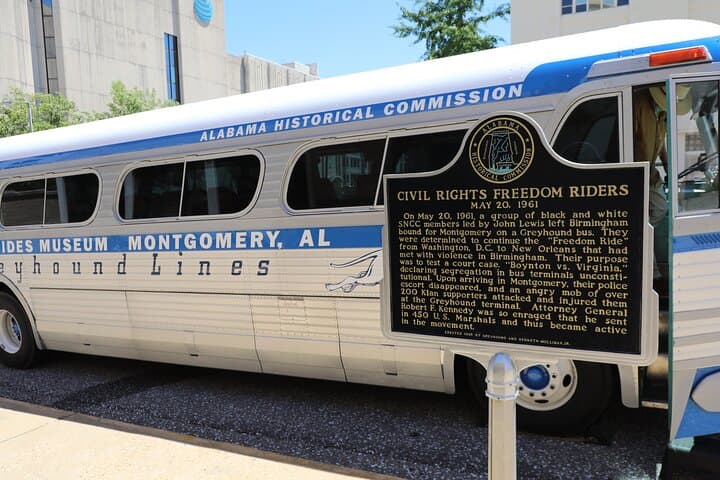
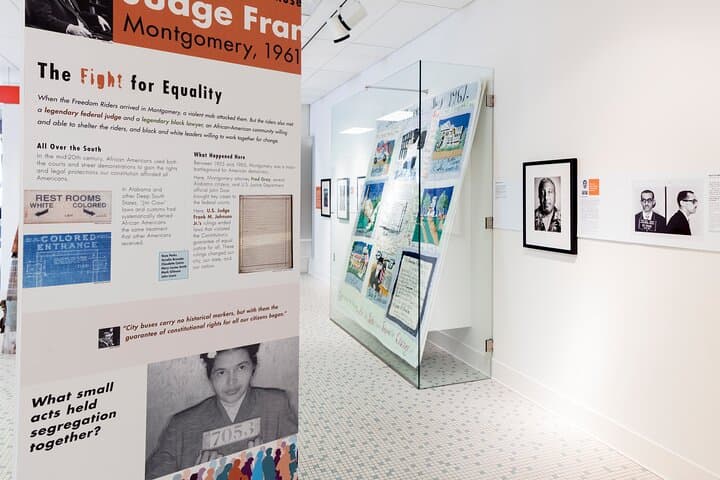
Montgomery is a compact city where 19th-century politics and 20th-century civil rights history sit shoulder-to-shoulder with regional art and country-music lore. The Alabama State Capitol is a hilltop landmark tied to the Confederacy and to the 1965 Selma-to-Montgomery march; the Rosa Parks Museum and Freedom Rides Museum document the tactics and human stories that reshaped national law. Geologically the region is part of the Gulf Coastal Plain—gentle slopes, red clay soils and the broad corridor of the Alabama River that helped the city grow as a river port.
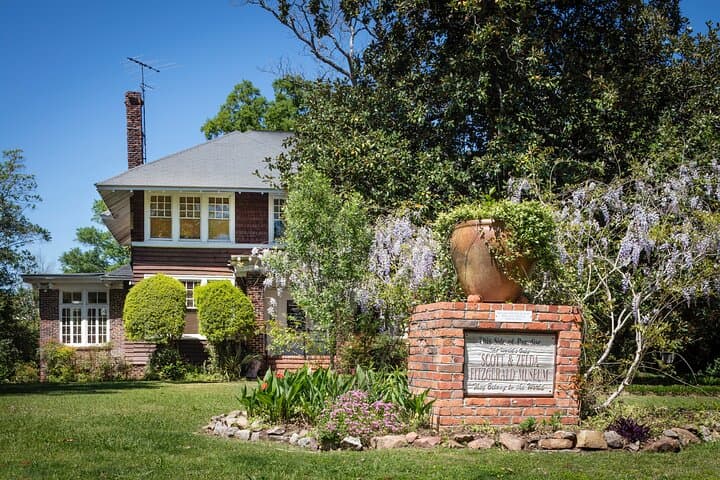
Culture is tangible here: the Hank Williams Museum captures country music’s roots, while the Georgine Clarke Gallery and Montgomery Museum of Fine Arts showcase living Southern artists and rotating collections. Cloverdale’s residential streets and the John and Joyce Caddell Sculpture Garden offer quieter detours.
Practical tips: the pass covers one entry per listed attraction and is delivered as a mobile link you redeem on arrival, so download it before you get offline. Spread visits across two to three days to avoid midday heat, allow 1.5–3 hours at major museums and 2–3 hours for the zoo. Wear comfortable walking shoes, carry refillable water, and plan transit—downtown is walkable but attractions are spread out by car or short rideshare. If accessibility is a concern, most sites note wheelchair access—call ahead for specifics.
easy.
Up to 3 days (72 hours).
Suitable for most travelers with basic stamina for walking and standing through exhibits
The mobile pass is delivered prior to travel and is valid for one admission to each listed attraction; confirm timing in your voucher details and redeem at each site’s ticket desk.
This pass provides general admission to each attraction but does not guarantee priority or skip-the-line access—check individual sites for timed-entry policies.
Most participating attractions note wheelchair and stroller accessibility; contact specific museums or the zoo ahead of your visit for details on ramps and elevators.
If you didn’t receive a link, check your email for the Bandwango message or contact the pass provider before arrival; bring a photo ID and confirmation number to the first attraction to resolve redemption.
Montgomery was a 19th-century river port and later a central stage for the Civil Rights Movement; key events include the Montgomery Bus Boycott and the 1965 Selma-to-Montgomery march that ended at the state capitol steps.
The Montgomery Zoo participates in habitat-based exhibits and species programs; museums emphasize preservation—stay on marked paths, avoid feeding animals, and follow site guidelines to reduce impact.
Alabama Tourism operates guided outdoor trips and adventures with an emphasis on safety, stewardship, and memorable experiences.

You arrive on a bright Alabama morning with the capitol dome cutting a low silhouette against the sky and the river calling you toward downtown. Streets hum with clinic traffic and college students; within an hour you can be standing before the Civil Rights Memorial, hearing the cadence of names carved in stone, and later watching giraffes stretch their necks at the Montgomery Zoo.
You arrive on a bright Alabama morning with the capitol dome cutting a low silhouette against the sky and the river calling you toward downtown. Streets hum with clinic traffic and college students; within an hour you can be standing before the Civil Rights Memorial, hearing the cadence of names carved in stone, and later watching giraffes stretch their necks at the Montgomery Zoo.
Montgomery is a compact city where 19th-century politics and 20th-century civil rights history sit shoulder-to-shoulder with regional art and country-music lore. The Alabama State Capitol is a hilltop landmark tied to the Confederacy and to the 1965 Selma-to-Montgomery march; the Rosa Parks Museum and Freedom Rides Museum document the tactics and human stories that reshaped national law. Geologically the region is part of the Gulf Coastal Plain—gentle slopes, red clay soils and the broad corridor of the Alabama River that helped the city grow as a river port.
Culture is tangible here: the Hank Williams Museum captures country music’s roots, while the Georgine Clarke Gallery and Montgomery Museum of Fine Arts showcase living Southern artists and rotating collections. Cloverdale’s residential streets and the John and Joyce Caddell Sculpture Garden offer quieter detours.
Practical tips: the pass covers one entry per listed attraction and is delivered as a mobile link you redeem on arrival, so download it before you get offline. Spread visits across two to three days to avoid midday heat, allow 1.5–3 hours at major museums and 2–3 hours for the zoo. Wear comfortable walking shoes, carry refillable water, and plan transit—downtown is walkable but attractions are spread out by car or short rideshare. If accessibility is a concern, most sites note wheelchair access—call ahead for specifics.