THE ADVENTURE COLLECTIVE® · Independent discovery and booking for outdoor travel

Walk Montezuma’s streets and sample five handpicked stops—from a beachfront snack to a family soda—while a local guide explains the town’s food, culture, and coastal rhythms. Perfect for travelers who want an authentic taste of Costa Rica’s Nicoya Peninsula in about three hours.
Walk Montezuma’s streets and sample five handpicked stops—from a beachfront snack to a family soda—while a local guide explains the town’s food, culture, and coastal rhythms. Perfect for travelers who want an authentic taste of Costa Rica’s Nicoya Peninsula in about three hours.
The tour begins where the Pacific presses itself against sand—Playa Montezuma’s main bus station—where the ocean breeze dares you to slow down and listen. A small group gathers; your guide sketches the town’s edges and routes, and you move through streets that alternate between sunlit coral facades and shaded alleys lined with food stalls.
Verified experiences and guided adventures in the surrounding area.
Operated by Pura Vida Bites · Montezuma, Puntarenas
The tour begins where the Pacific presses itself against sand—Playa Montezuma’s main bus station—where the ocean breeze dares you to slow down and listen. A small group gathers; your guide sketches the town’s edges and routes, and you move through streets that alternate between sunlit coral facades and shaded alleys lined with food stalls.
Montezuma grew as a fishing village that later drew surfers and travelers; its soils are volcanic and sandy, shaped by coastal uplift and sediment from nearby river mouths. That geology means fresh seafood is central to local plates, while immigrant traditions—Indigenous Chorotega, Afro-Caribbean, and Spanish influences—have braided flavors into simple, robust dishes.
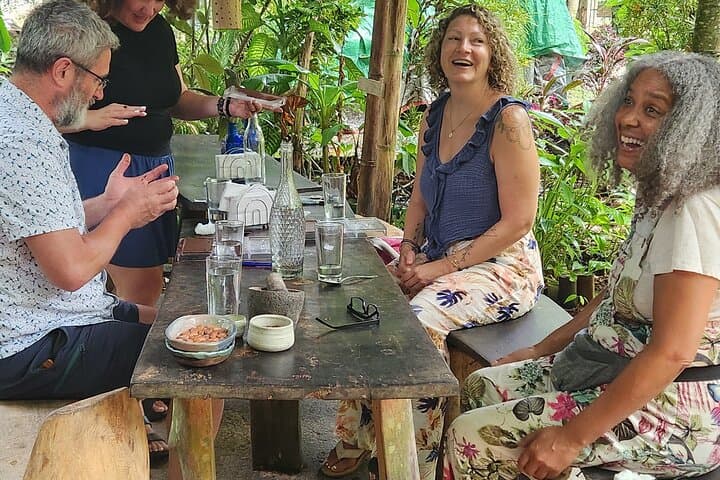
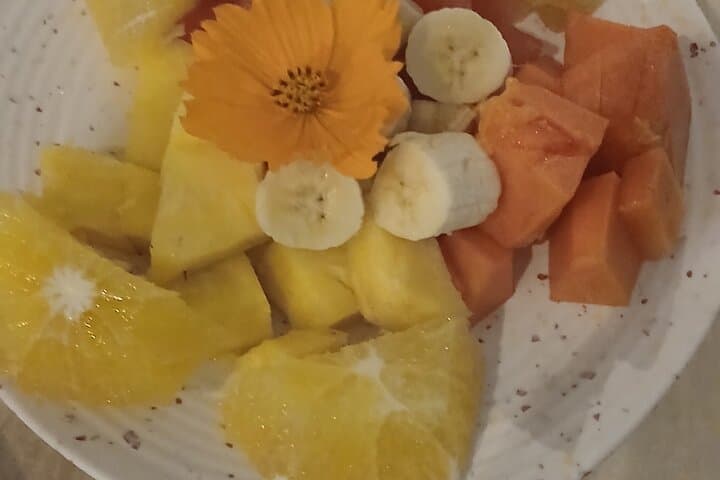
Expect five handpicked stops: a beachfront snack, a family-run soda (local diner), a small cevichería, a bakery, and a final sit-down course. Along the way, guides explain ingredients, sourcing, and community stories—how the fishing rhythms set menus, how nearby Cabo Blanco Reserve affects foraging, and how the town balances tourism with tradition.
Practical guidance: wear comfortable shoes for mixed sand and cobblestones, bring cash for small vendors, and flag dietary requirements when booking. The 3-hour route is moderate in pace with short walking segments and several seated tastings. Hydrate in the tropical heat, and plan this early or late in the day to avoid midday sun. By the end you’ll have tasted a cross-section of Montezuma’s food economy and learned the local rhythms that keep plates honest and places resilient.
moderate.
3 hours.
Moderate fitness for standing, walking short distances, and navigating uneven streets and sand.
Yes—this tour includes tastings and a full meal spread across five stops, as described in the itinerary.
Yes—notify dietary needs when booking and the operator will do their best to provide alternatives at stops.
Meet at Playa Montezuma by the main bus station; the guide will be there to greet the group and begin the walk.
Infants must sit on laps; the pace is family-friendly but pregnant travelers and those with certain medical conditions are advised against participating.
Montezuma began as a small fishing settlement and evolved into a hub for surfers and travelers; local food culture reflects Indigenous, Afro-Caribbean, and Spanish influences.
Support for local eateries helps the community; avoid single-use plastics, respect fishing seasons, and follow guidance in marine and forest reserves nearby.
Pura Vida Bites operates guided outdoor trips and adventures with an emphasis on safety, stewardship, and memorable experiences.


The tour begins where the Pacific presses itself against sand—Playa Montezuma’s main bus station—where the ocean breeze dares you to slow down and listen. A small group gathers; your guide sketches the town’s edges and routes, and you move through streets that alternate between sunlit coral facades and shaded alleys lined with food stalls.
The tour begins where the Pacific presses itself against sand—Playa Montezuma’s main bus station—where the ocean breeze dares you to slow down and listen. A small group gathers; your guide sketches the town’s edges and routes, and you move through streets that alternate between sunlit coral facades and shaded alleys lined with food stalls.
Montezuma grew as a fishing village that later drew surfers and travelers; its soils are volcanic and sandy, shaped by coastal uplift and sediment from nearby river mouths. That geology means fresh seafood is central to local plates, while immigrant traditions—Indigenous Chorotega, Afro-Caribbean, and Spanish influences—have braided flavors into simple, robust dishes.
Expect five handpicked stops: a beachfront snack, a family-run soda (local diner), a small cevichería, a bakery, and a final sit-down course. Along the way, guides explain ingredients, sourcing, and community stories—how the fishing rhythms set menus, how nearby Cabo Blanco Reserve affects foraging, and how the town balances tourism with tradition.
Practical guidance: wear comfortable shoes for mixed sand and cobblestones, bring cash for small vendors, and flag dietary requirements when booking. The 3-hour route is moderate in pace with short walking segments and several seated tastings. Hydrate in the tropical heat, and plan this early or late in the day to avoid midday sun. By the end you’ll have tasted a cross-section of Montezuma’s food economy and learned the local rhythms that keep plates honest and places resilient.