THE ADVENTURE COLLECTIVE® · Independent discovery and booking for outdoor travel

Escape Montevideo for a 5‑hour guided tasting in the Canelones vineyards where Uruguay’s signature Tannat shines. Choose one or two family wineries, tour cellars, and sample local wines with empanadas and regional cheeses.
Escape Montevideo for a 5‑hour guided tasting in the Canelones vineyards where Uruguay’s signature Tannat shines. Choose one or two family wineries, tour cellars, and sample local wines with empanadas and regional cheeses.
A low-slung van pulls off the coastal highway and the air changes—cool, vegetal, threaded with yeast and sun‑warmed grape skins. In the Canelones countryside, rows of vines cut across gentle folds of land that roll toward the Río de la Plata; pruning poles cast long, purposeful shadows and cellar doors stand open like invitations.
Verified experiences and guided adventures in the surrounding area.
Operated by The Wine Experience · Montevideo, Canelones Department
A low-slung van pulls off the coastal highway and the air changes—cool, vegetal, threaded with yeast and sun‑warmed grape skins. In the Canelones countryside, rows of vines cut across gentle folds of land that roll toward the Río de la Plata; pruning poles cast long, purposeful shadows and cellar doors stand open like invitations.
Tannat is Uruguay’s claim to fame: a robust grape with roots in southwest France that found its voice here thanks to late 19th‑ and early 20th‑century immigrants. The geology is modest—sandy, loamy soils and well‑drained alluvial terraces that let the roots search wide rather than deep—producing early ripeness and a rounded structure in wines that local families have refined for generations. The region’s winery culture is hands‑on; many bodegas are family enterprises where tasting rooms double as living rooms and stories flow as freely as the sample pours.
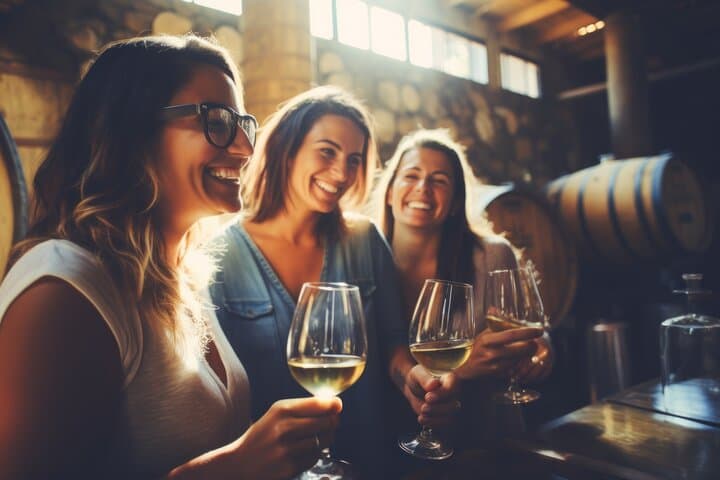
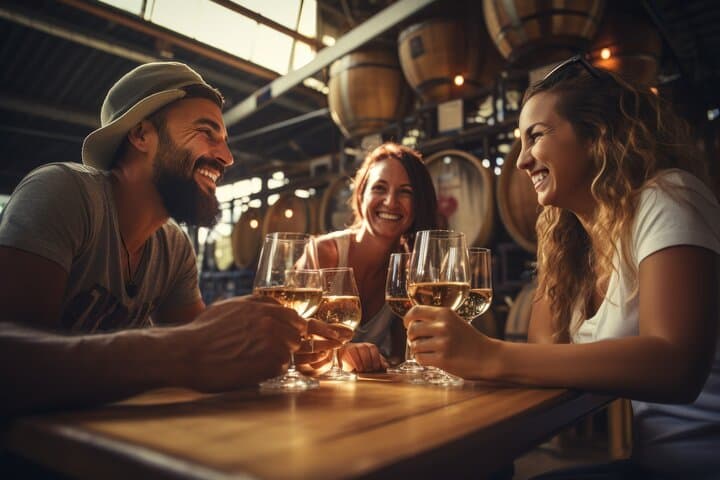
Travelers who pick the one‑ or two‑winery option can expect vineyard walks, a cellar tour with a host, and guided tastings that highlight Tannat alongside smaller white or blended bottlings, often served with empanadas, cheeses and cured hams. Timing matters—late afternoon light is best for photos and quieter cellars—but mornings are cooler for walking the vines.
Practical guidance: plan for a 5‑hour outing with hotel or port pickup included, minimum age 18, and moderate walking on gravel and grass. Bring sun protection, a refillable water bottle, and modest footwear; pace tastings and arrange transport if not included. Cruise passengers should favor the single‑winery option to account for ship schedules.
easy.
5 hours.
Light activity: able to walk 1–3 km across uneven vineyard paths and stand during tastings
Yes—hotel and port pickup and drop‑off are included as part of the tour.
Cruise passengers are advised to select the single‑winery option to meet ship schedules.
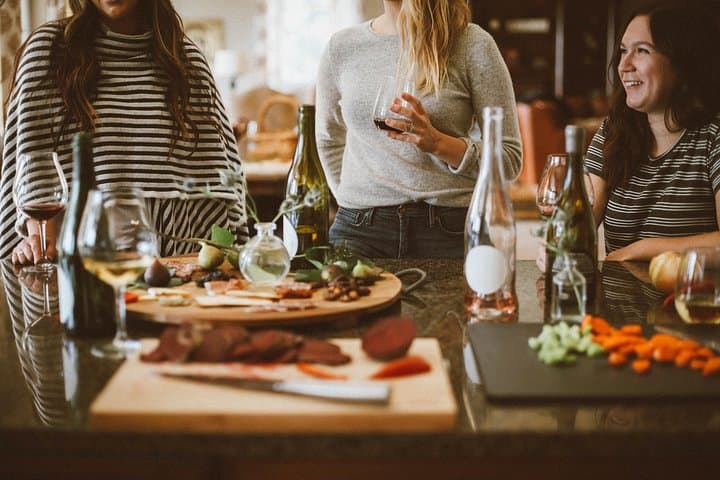
A light lunch of empanadas, cheeses and cured hams is included; wines sampled focus on Tannat and local selections.
Yes—minimum age for participation is 18 years due to alcohol service regulations.
Tannat was introduced to Uruguay via European immigrants in the late 19th century and evolved into the country’s signature grape through decades of local selection and winemaking tradition.
Many Canelones producers practice low‑intervention viticulture and water‑efficient irrigation; visitors should respect private land, stay on paths, and avoid single‑use plastics.
The Wine Experience operates guided outdoor trips and adventures with an emphasis on safety, stewardship, and memorable experiences.
A low-slung van pulls off the coastal highway and the air changes—cool, vegetal, threaded with yeast and sun‑warmed grape skins. In the Canelones countryside, rows of vines cut across gentle folds of land that roll toward the Río de la Plata; pruning poles cast long, purposeful shadows and cellar doors stand open like invitations.
A low-slung van pulls off the coastal highway and the air changes—cool, vegetal, threaded with yeast and sun‑warmed grape skins. In the Canelones countryside, rows of vines cut across gentle folds of land that roll toward the Río de la Plata; pruning poles cast long, purposeful shadows and cellar doors stand open like invitations.
Tannat is Uruguay’s claim to fame: a robust grape with roots in southwest France that found its voice here thanks to late 19th‑ and early 20th‑century immigrants. The geology is modest—sandy, loamy soils and well‑drained alluvial terraces that let the roots search wide rather than deep—producing early ripeness and a rounded structure in wines that local families have refined for generations. The region’s winery culture is hands‑on; many bodegas are family enterprises where tasting rooms double as living rooms and stories flow as freely as the sample pours.
Travelers who pick the one‑ or two‑winery option can expect vineyard walks, a cellar tour with a host, and guided tastings that highlight Tannat alongside smaller white or blended bottlings, often served with empanadas, cheeses and cured hams. Timing matters—late afternoon light is best for photos and quieter cellars—but mornings are cooler for walking the vines.
Practical guidance: plan for a 5‑hour outing with hotel or port pickup included, minimum age 18, and moderate walking on gravel and grass. Bring sun protection, a refillable water bottle, and modest footwear; pace tastings and arrange transport if not included. Cruise passengers should favor the single‑winery option to account for ship schedules.