THE ADVENTURE COLLECTIVE® · Independent discovery and booking for outdoor travel

Spend a relaxed half-day from Montevideo exploring Uruguay’s signature Tannat grape at a countryside winery. Enjoy an expert-led cellar visit, multiple tastings and a light lunch of cheeses and empanadas.
Spend a relaxed half-day from Montevideo exploring Uruguay’s signature Tannat grape at a countryside winery. Enjoy an expert-led cellar visit, multiple tastings and a light lunch of cheeses and empanadas.
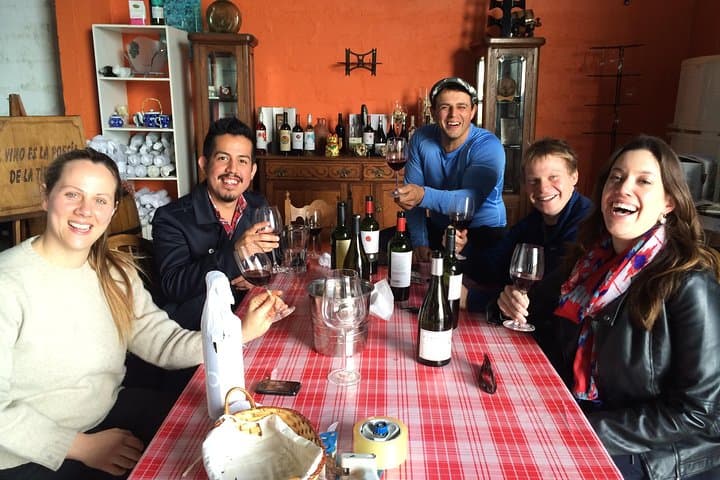
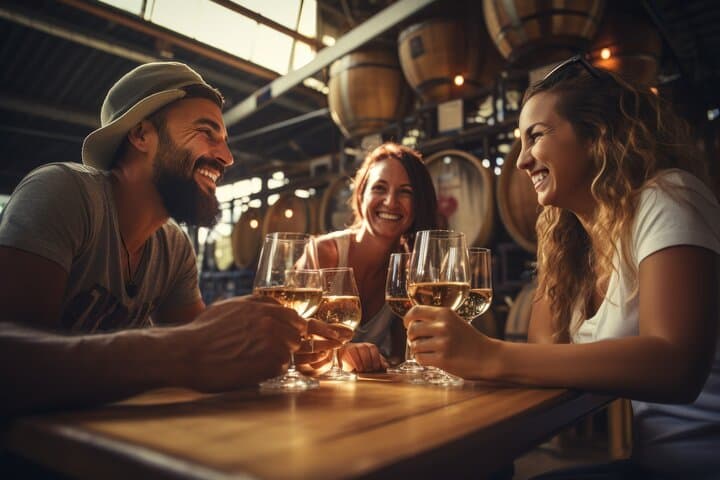
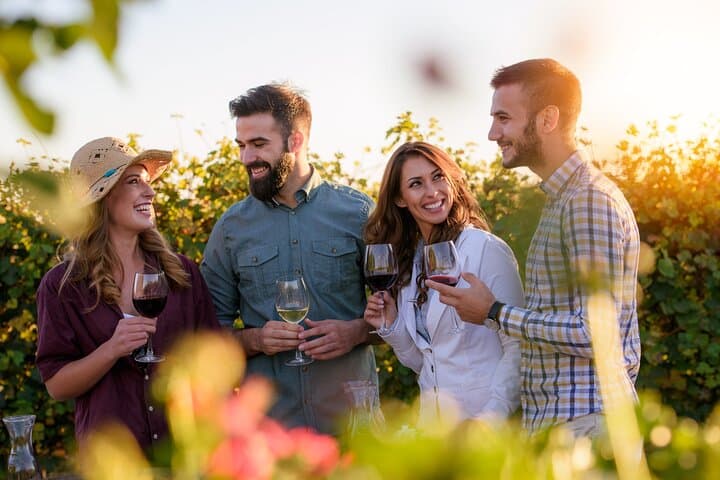
The van eases out of Montevideo and the city’s flat grid gives way to rolling vineyards; sunlight runs across rows of Tannat vines that seem to lean toward the river air. You arrive at a working winery where a host meets the group, and the cellar’s cool, yeasty smell wraps around you as barrels and stainless tanks preside like quiet, patient craftsmen.
Verified experiences and guided adventures in the surrounding area.
Operated by The Wine Experience · Montevideo, Montevideo
The van eases out of Montevideo and the city’s flat grid gives way to rolling vineyards; sunlight runs across rows of Tannat vines that seem to lean toward the river air. You arrive at a working winery where a host meets the group, and the cellar’s cool, yeasty smell wraps around you as barrels and stainless tanks preside like quiet, patient craftsmen.
Uruguay’s winemaking history is compact but persuasive — Tannat, brought by Basque immigrants, found a home in the sandy loams and temperate coastal climate of Canelones and Maldonado. Geologically, these soils are well-drained, often wind-scoured, which yields dense, tannic grapes that winemakers here temper with careful oak and modern fermentation. Culture is central: small family estates, hands-on vintners and a lunch table where cured ham and empanadas stand as local ritual.
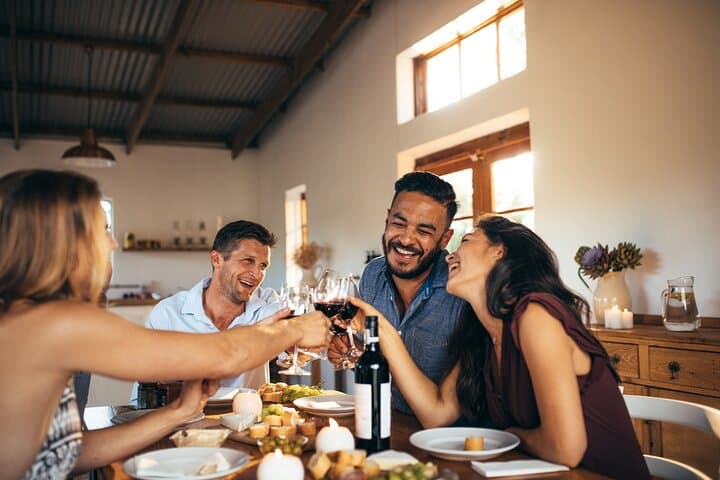
On this half-day tour expect a guided walk through the vineyards, a cellar talk on Tannat’s character, and a structured tasting of multiple wines paired with a light lunch of cheeses and empanadas; an upgrade gives a full meal. The rhythm is slow and social — aim to arrive hydrated, save questions for the host, and plan logistics if you’ll be drinking: most tours include return transfer options.
Practical edge: wear sturdy shoes for uneven paths, carry sun protection, and bring a small bag for any bottles you purchase. The experience is approachable for casual wine lovers but rewarding for anyone curious about how a coastal microclimate shapes a bold, iconic grape.
easy.
5 hours.
Light activity: short walks on uneven ground; suitable for most fitness levels
Most departures include pickup from central Montevideo meeting points; confirm your pickup location at booking and allow time for group collection.
Yes—wineries typically sell bottles and many will pack purchases for travel; ask about shipping or export paperwork for international buyers.
Cellar spaces and vineyard paths can be uneven; contact the operator ahead of time to discuss accessibility and any alternative arrangements.
The light lunch includes cheeses and empanadas; operators can often accommodate vegetarian requests if notified in advance.
Large-scale viticulture in Uruguay dates to the 19th century with Basque and Italian immigrants; Tannat was later championed as the national red grape.
Many wineries here favor low-intervention viticulture and water-conscious practices; stick to marked paths to protect young vines and cover crops.
The Wine Experience operates guided outdoor trips and adventures with an emphasis on safety, stewardship, and memorable experiences.
The van eases out of Montevideo and the city’s flat grid gives way to rolling vineyards; sunlight runs across rows of Tannat vines that seem to lean toward the river air. You arrive at a working winery where a host meets the group, and the cellar’s cool, yeasty smell wraps around you as barrels and stainless tanks preside like quiet, patient craftsmen.
The van eases out of Montevideo and the city’s flat grid gives way to rolling vineyards; sunlight runs across rows of Tannat vines that seem to lean toward the river air. You arrive at a working winery where a host meets the group, and the cellar’s cool, yeasty smell wraps around you as barrels and stainless tanks preside like quiet, patient craftsmen.
Uruguay’s winemaking history is compact but persuasive — Tannat, brought by Basque immigrants, found a home in the sandy loams and temperate coastal climate of Canelones and Maldonado. Geologically, these soils are well-drained, often wind-scoured, which yields dense, tannic grapes that winemakers here temper with careful oak and modern fermentation. Culture is central: small family estates, hands-on vintners and a lunch table where cured ham and empanadas stand as local ritual.
On this half-day tour expect a guided walk through the vineyards, a cellar talk on Tannat’s character, and a structured tasting of multiple wines paired with a light lunch of cheeses and empanadas; an upgrade gives a full meal. The rhythm is slow and social — aim to arrive hydrated, save questions for the host, and plan logistics if you’ll be drinking: most tours include return transfer options.
Practical edge: wear sturdy shoes for uneven paths, carry sun protection, and bring a small bag for any bottles you purchase. The experience is approachable for casual wine lovers but rewarding for anyone curious about how a coastal microclimate shapes a bold, iconic grape.