THE ADVENTURE COLLECTIVE® · Independent discovery and booking for outdoor travel

Cross the Río de la Plata for a curated, private day in Montevideo: beaches, colonial streets, markets and civic landmarks with ferry transfers and hotel pickup included. This full‑day itinerary gives a clear, walkable introduction to Uruguay’s capital.
Cross the Río de la Plata for a curated, private day in Montevideo: beaches, colonial streets, markets and civic landmarks with ferry transfers and hotel pickup included. This full‑day itinerary gives a clear, walkable introduction to Uruguay’s capital.
The ferry’s bow parts the wide Río de la Plata and a sharp, briny breeze announces the shift from Buenos Aires to Montevideo.
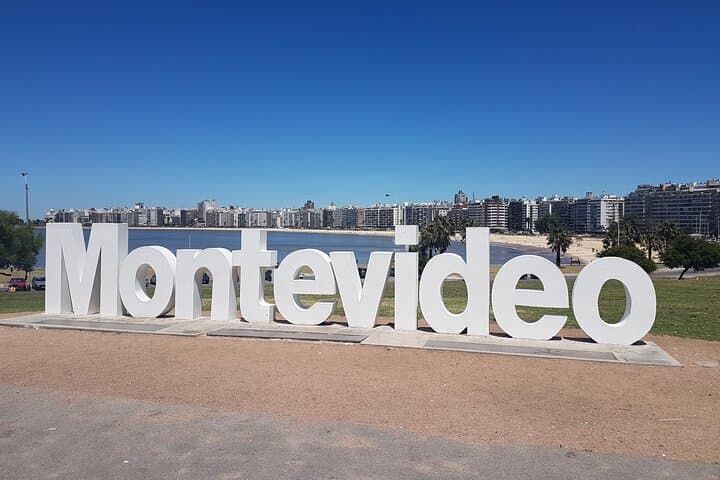
You step onto the quay and the city greets you with a long coastal boulevard, a mix of weathered colonial façades and 20th‑century civic monuments that make the shore feel like a moving page of history.
Verified experiences and guided adventures in the surrounding area.
Operated by Signature Tours · Montevideo, Montevideo
The ferry’s bow parts the wide Río de la Plata and a sharp, briny breeze announces the shift from Buenos Aires to Montevideo.
You step onto the quay and the city greets you with a long coastal boulevard, a mix of weathered colonial façades and 20th‑century civic monuments that make the shore feel like a moving page of history.
Montevideo began as a strategic port in the early 18th century (officially founded 1724), and the city still wears its maritime origins openly: promenades, port terraces, and bronze memorials mark a culture shaped by the river’s tides.
Geologically the Río de la Plata is a shallow estuary whose broad horizon softens storms and amplifies sunsets; culturally, Montevideo blends Spanish colonial planning, Italianate cafes, and the relaxed rhythms of Uruguayan coastal life.
A private full‑day tour typically threads Pocitos’ beach boulevard, the refined avenues of Carrasco, the leafy expanses of Batlle Park, and the cobbled arteries of the Ciudad Vieja where the Legislative Palace and Mercado Agrícola anchor local commerce and architecture.
You’ll move at a deliberate pace—short walks, viewpoints, and market stops—guided narrative that frames neighborhoods rather than exhaustive museum time.
Practical guidance: carry your passport and return ferry tickets, bring sun protection and comfortable walking shoes, and plan for variable coastal winds with a light jacket.
Hotel pickup from Buenos Aires is usually included, and the schedule is full‑day—expect around 8–10 hours of travel and touring when ferry crossings and transfers are counted.
Pack a portable charger, some local currency for market purchases, and leave room in your day to linger over a seaside parrillada; Montevideo rewards small, patient detours.
easy.
8–10 hours.
Suitable for most travelers who can manage several short walks and standing at viewpoints; minimal elevation.
Yes—this private tour typically includes hotel pickup and drop‑off in Buenos Aires; confirm your pickup point when booking.
A current passport is required for the international ferry crossing; visa requirements depend on nationality—check with your consulate in advance.
Ferry tickets between Buenos Aires and Montevideo are included as part of the tour package, handled by the operator.
Meals are generally not included; guides can recommend local restaurants and market stalls where you can sample Uruguayan cuisine on your own.
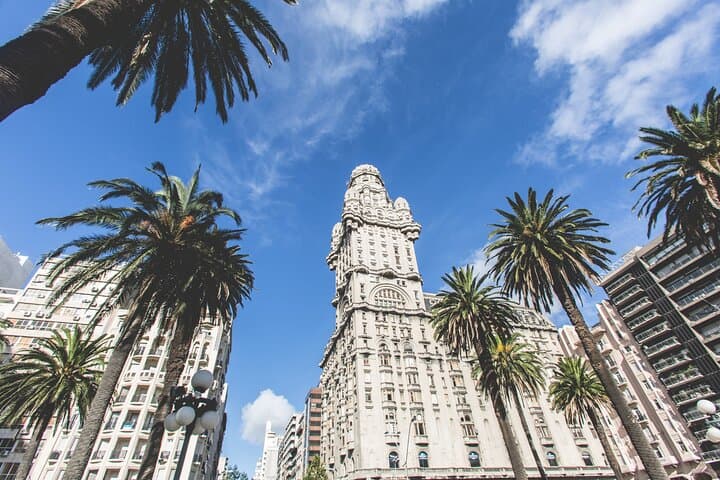
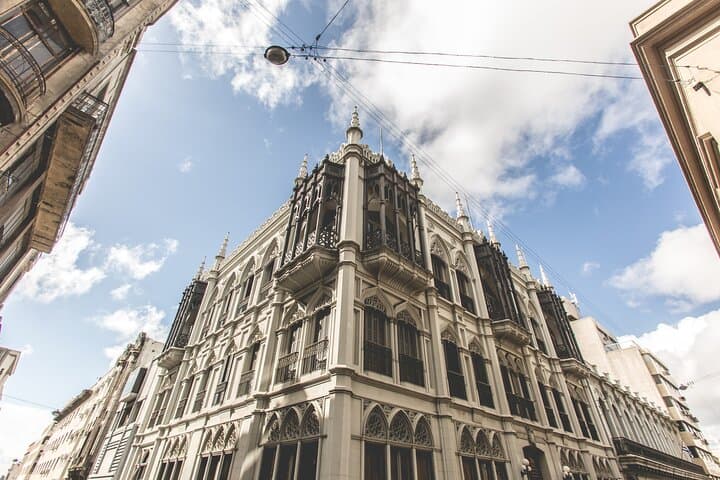
Montevideo evolved from an 18th‑century strategic port into Uruguay’s political and cultural capital, visible in its mix of colonial, neo‑classical and modernist architecture.
Coastal erosion and urban runoff affect Río de la Plata beaches; support local markets and avoid single‑use plastics to reduce your footprint.
Signature Tours operates guided outdoor trips and adventures with an emphasis on safety, stewardship, and memorable experiences.

The ferry’s bow parts the wide Río de la Plata and a sharp, briny breeze announces the shift from Buenos Aires to Montevideo.
You step onto the quay and the city greets you with a long coastal boulevard, a mix of weathered colonial façades and 20th‑century civic monuments that make the shore feel like a moving page of history.
Montevideo began as a strategic port in the early 18th century (officially founded 1724), and the city still wears its maritime origins openly: promenades, port terraces, and bronze memorials mark a culture shaped by the river’s tides.
Geologically the Río de la Plata is a shallow estuary whose broad horizon softens storms and amplifies sunsets; culturally, Montevideo blends Spanish colonial planning, Italianate cafes, and the relaxed rhythms of Uruguayan coastal life.
A private full‑day tour typically threads Pocitos’ beach boulevard, the refined avenues of Carrasco, the leafy expanses of Batlle Park, and the cobbled arteries of the Ciudad Vieja where the Legislative Palace and Mercado Agrícola anchor local commerce and architecture.
You’ll move at a deliberate pace—short walks, viewpoints, and market stops—guided narrative that frames neighborhoods rather than exhaustive museum time.
Practical guidance: carry your passport and return ferry tickets, bring sun protection and comfortable walking shoes, and plan for variable coastal winds with a light jacket.
Hotel pickup from Buenos Aires is usually included, and the schedule is full‑day—expect around 8–10 hours of travel and touring when ferry crossings and transfers are counted.
Pack a portable charger, some local currency for market purchases, and leave room in your day to linger over a seaside parrillada; Montevideo rewards small, patient detours.