THE ADVENTURE COLLECTIVE® · Independent discovery and booking for outdoor travel

Solve a theatrical whodunit across Pocitos with a GPS-guided, self-paced detective game. Explore Montevideo’s waterfront streets, follow 12 puzzle challenges, and uncover local history as you decide who’s responsible.
Solve a theatrical whodunit across Pocitos with a GPS-guided, self-paced detective game. Explore Montevideo’s waterfront streets, follow 12 puzzle challenges, and uncover local history as you decide who’s responsible.
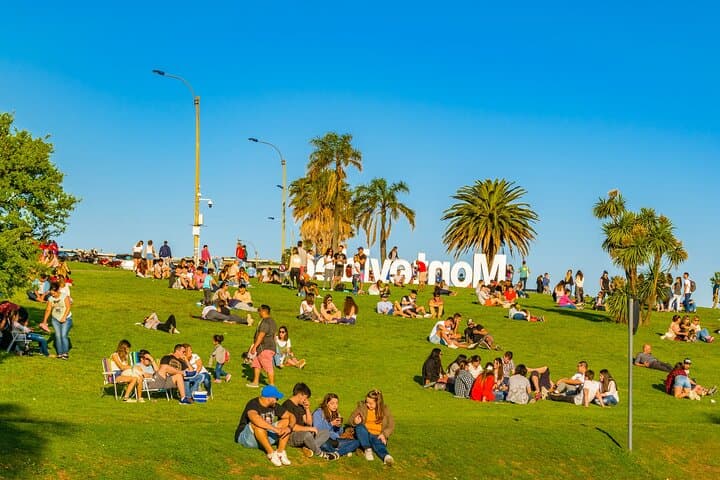
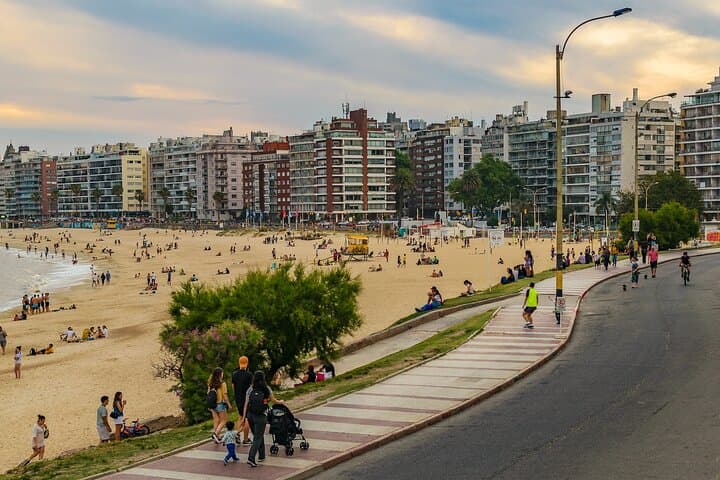
A late-afternoon wind off the Río de la Plata pushes salt-slick air along the Rambla as you tap open the app and the city begins to hand you clues. The sidewalks of Pocitos narrow and widen like chapters, each street corner folding another line of dialogue into a fictional crime: a vanished influencer, a jealous partner, a theatrical guide. You walk; Montevideo watches — the river dares you to hurry, the breeze nudges you toward the next riddle.
Verified experiences and guided adventures in the surrounding area.
Operated by Questo · Montevideo, Montevideo Department
A late-afternoon wind off the Río de la Plata pushes salt-slick air along the Rambla as you tap open the app and the city begins to hand you clues. The sidewalks of Pocitos narrow and widen like chapters, each street corner folding another line of dialogue into a fictional crime: a vanished influencer, a jealous partner, a theatrical guide. You walk; Montevideo watches — the river dares you to hurry, the breeze nudges you toward the next riddle.
Montevideo’s grid carries layers of history: colonial forts gave way to nineteenth-century equestrian promenades and early 20th‑century seaside villas in Pocitos. Geologically the shore is sediment plain—sand and silt from the Plata—so the Rambla’s promenade feels roomy and flat underfoot. Culturally, the city balances urbane cafes, street murals, and a convivial pace; the game threads local landmarks into its narrative so players learn neighborhood stories while interrogating suspects.
Practical guidance: the experience is GPS-guided and self-paced—expect 1–1.5 hours of walking on paved sidewalks with occasional stairs. The puzzles are story and logic-based rather than physically demanding; bring a fully charged smartphone and an offline map fallback. Start in the late afternoon for softer light and active cafes, but avoid peak beach crowds on summer weekends if you want quieter clues. Keep small local cash for a café stop and wear comfortable walking shoes—the streets are mostly flat but can be slick after rain.
This is a social, low-impact way to see Montevideo: it encourages curiosity more than endurance, rewards attention to detail, and makes the city itself feel like a co-conspirator in the mystery.
easy.
1–1.5 hours.
Light – suitable for anyone comfortable with 1–2 miles of walking on paved surfaces
After purchase you receive a mobile access code and GPS map; open the app or web link, enter the code, and begin at the indicated Pocitos start point whenever you’re ready.
Yes—routes are stroller-accessible and puzzles are family-friendly, though younger children may need help with reading or logic challenges.
Most places accept cards, but carrying small amounts of Uruguayan pesos is helpful for small cafes, street vendors, or tips.
Yes—the itinerary allows you to pause the story and resume later using the same access code and GPS progress tracking.
Pocitos developed as Montevideo’s early 20th‑century beach neighborhood; its Rambla and seaside architecture reflect a turn-of-century leisure culture.
Keep the route low-impact: use public bins, avoid trampling greenspace, and support local cafés and businesses that maintain neighborhood character.
Questo operates guided outdoor trips and adventures with an emphasis on safety, stewardship, and memorable experiences.


A late-afternoon wind off the Río de la Plata pushes salt-slick air along the Rambla as you tap open the app and the city begins to hand you clues. The sidewalks of Pocitos narrow and widen like chapters, each street corner folding another line of dialogue into a fictional crime: a vanished influencer, a jealous partner, a theatrical guide. You walk; Montevideo watches — the river dares you to hurry, the breeze nudges you toward the next riddle.
A late-afternoon wind off the Río de la Plata pushes salt-slick air along the Rambla as you tap open the app and the city begins to hand you clues. The sidewalks of Pocitos narrow and widen like chapters, each street corner folding another line of dialogue into a fictional crime: a vanished influencer, a jealous partner, a theatrical guide. You walk; Montevideo watches — the river dares you to hurry, the breeze nudges you toward the next riddle.
Montevideo’s grid carries layers of history: colonial forts gave way to nineteenth-century equestrian promenades and early 20th‑century seaside villas in Pocitos. Geologically the shore is sediment plain—sand and silt from the Plata—so the Rambla’s promenade feels roomy and flat underfoot. Culturally, the city balances urbane cafes, street murals, and a convivial pace; the game threads local landmarks into its narrative so players learn neighborhood stories while interrogating suspects.
Practical guidance: the experience is GPS-guided and self-paced—expect 1–1.5 hours of walking on paved sidewalks with occasional stairs. The puzzles are story and logic-based rather than physically demanding; bring a fully charged smartphone and an offline map fallback. Start in the late afternoon for softer light and active cafes, but avoid peak beach crowds on summer weekends if you want quieter clues. Keep small local cash for a café stop and wear comfortable walking shoes—the streets are mostly flat but can be slick after rain.
This is a social, low-impact way to see Montevideo: it encourages curiosity more than endurance, rewards attention to detail, and makes the city itself feel like a co-conspirator in the mystery.