THE ADVENTURE COLLECTIVE® · Independent discovery and booking for outdoor travel

See Montevideo’s shoreline, plazas, and markets with an expert local guide in a compact 3–3.5 hour tour. Perfect for first-time visitors who want curated history, architecture, and a taste of Uruguayan city life.
See Montevideo’s shoreline, plazas, and markets with an expert local guide in a compact 3–3.5 hour tour. Perfect for first-time visitors who want curated history, architecture, and a taste of Uruguayan city life.
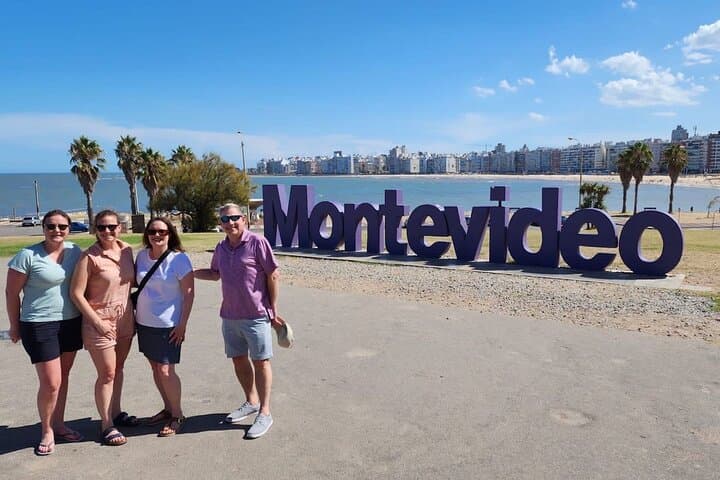
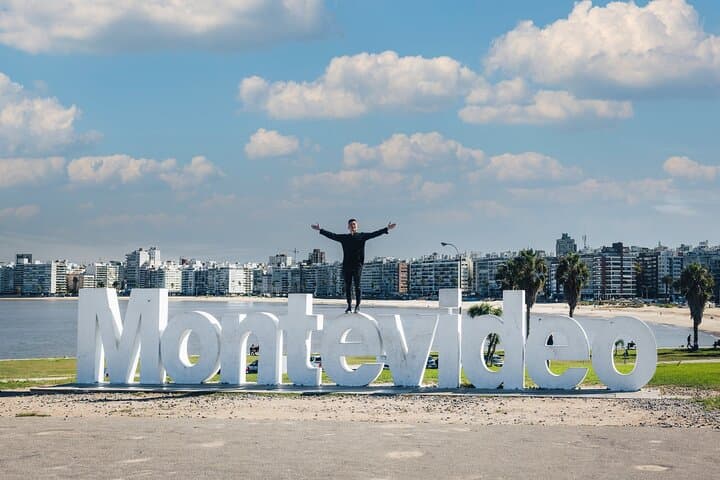
You step off the vehicle onto the Rambla and the wide Rio de la Plata stretches east like a low-slung mirror, the promenade daring you to slow down. Salt air and city noise mingle—buses, laughter, the distant thud of football practice at Estadio Centenario—while a local guide begins to map the day in human-scale stories: plazas, statues, markets.
Verified experiences and guided adventures in the surrounding area.
Operated by The Wine Experience · Montevideo, Montevideo
You step off the vehicle onto the Rambla and the wide Rio de la Plata stretches east like a low-slung mirror, the promenade daring you to slow down. Salt air and city noise mingle—buses, laughter, the distant thud of football practice at Estadio Centenario—while a local guide begins to map the day in human-scale stories: plazas, statues, markets.
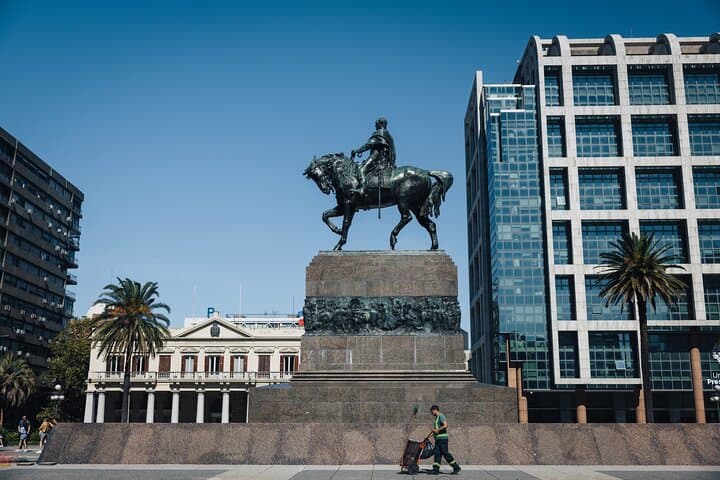
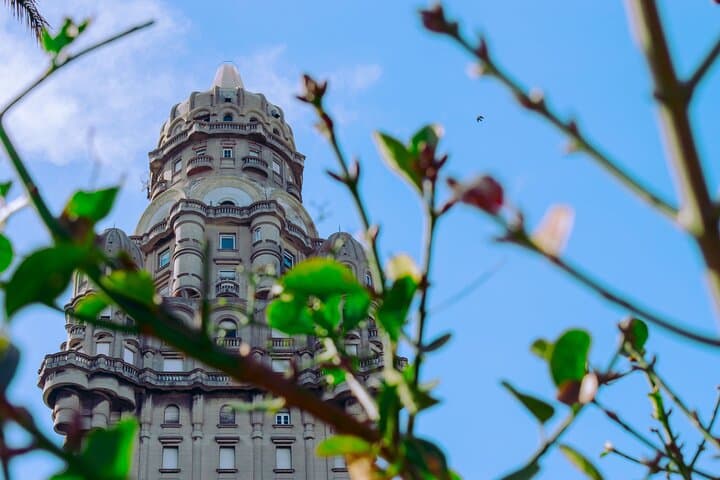
Montevideo’s spine is historical and civic: Plaza Independencia marks the divide between Ciudad Vieja and downtown; 18 de Julio Avenue carries the Republic’s 1830 constitution in its name. The Legislative Palace and the Obelisk—granite raised to mark the nation’s centenary—tell of early 20th-century civic ambition that shaped the city’s Neoclassical and Art Deco face.
Geologically, the city sits on coastal plains and ancient river sediments of the Río de la Plata; the long Rambla follows that shoreline, shaping neighborhoods from the port’s market alleys to Carrasco’s beachside avenues. Culturally, Montevideo is quietly communal—markets, corner bars (bares), and piazzas where conversations continue for hours.
Practical guidance: the tour covers several short stops and scenic drive-bys across roughly 3–3.5 hours with light walking on paved streets and boardwalks. Wear supportive shoes, bring sun protection and a refillable water bottle, and budget time for the optional Mercado del Puerto stop—great for local parrilla. If you add the winery option, expect an extra 60–90 minutes. Ask your guide about quieter streets in Barrio Sur or a weekday market schedule—local timing changes the rhythm of the city. Morning or late-afternoon departures reduce midday sun and give you softer light for photos.
This day tour is accessible for most travelers and offers a concentrated primer on Montevideo’s civic history, coastal life, and culinary scenes.
easy.
3–3.5 hours.
Light walking; suitable for average fitness and travelers who can stand and walk short distances
Local tour guides commonly speak Spanish and often conversational English; check the booking if you need another language.
Yes—hotel and port pickup/drop-off are included, but you must confirm pickup details during booking.
Yes—there’s an option to add a winery visit with tasting and a light lunch; expect an extra 60–90 minutes and modest additional cost.
The tour has easy walking on mostly paved surfaces but some stops involve curbs and short uneven sections—contact the operator to confirm specific accessibility needs.
Montevideo’s modern fabric grew in the late 19th and early 20th centuries; Avenida 18 de Julio commemorates the 1830 constitution and anchors civic life.
The Rambla and coastal neighborhoods face pressure from coastal erosion and urban runoff—respect posted signs and avoid disturbing shore habitats; choose vendors who follow local waste practices.
The Wine Experience operates guided outdoor trips and adventures with an emphasis on safety, stewardship, and memorable experiences.
You step off the vehicle onto the Rambla and the wide Rio de la Plata stretches east like a low-slung mirror, the promenade daring you to slow down. Salt air and city noise mingle—buses, laughter, the distant thud of football practice at Estadio Centenario—while a local guide begins to map the day in human-scale stories: plazas, statues, markets.
You step off the vehicle onto the Rambla and the wide Rio de la Plata stretches east like a low-slung mirror, the promenade daring you to slow down. Salt air and city noise mingle—buses, laughter, the distant thud of football practice at Estadio Centenario—while a local guide begins to map the day in human-scale stories: plazas, statues, markets.
Montevideo’s spine is historical and civic: Plaza Independencia marks the divide between Ciudad Vieja and downtown; 18 de Julio Avenue carries the Republic’s 1830 constitution in its name. The Legislative Palace and the Obelisk—granite raised to mark the nation’s centenary—tell of early 20th-century civic ambition that shaped the city’s Neoclassical and Art Deco face.
Geologically, the city sits on coastal plains and ancient river sediments of the Río de la Plata; the long Rambla follows that shoreline, shaping neighborhoods from the port’s market alleys to Carrasco’s beachside avenues. Culturally, Montevideo is quietly communal—markets, corner bars (bares), and piazzas where conversations continue for hours.
Practical guidance: the tour covers several short stops and scenic drive-bys across roughly 3–3.5 hours with light walking on paved streets and boardwalks. Wear supportive shoes, bring sun protection and a refillable water bottle, and budget time for the optional Mercado del Puerto stop—great for local parrilla. If you add the winery option, expect an extra 60–90 minutes. Ask your guide about quieter streets in Barrio Sur or a weekday market schedule—local timing changes the rhythm of the city. Morning or late-afternoon departures reduce midday sun and give you softer light for photos.
This day tour is accessible for most travelers and offers a concentrated primer on Montevideo’s civic history, coastal life, and culinary scenes.