THE ADVENTURE COLLECTIVE® · Independent discovery and booking for outdoor travel

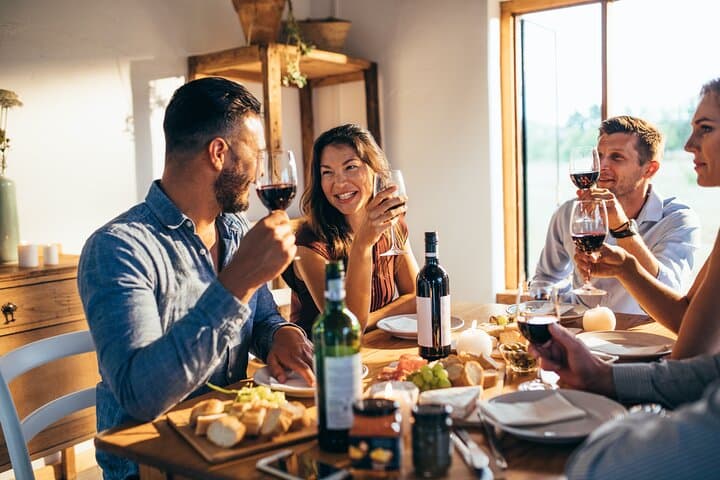
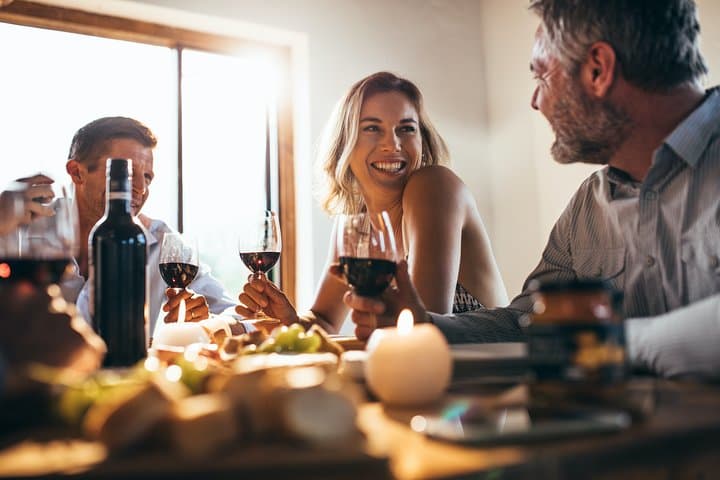
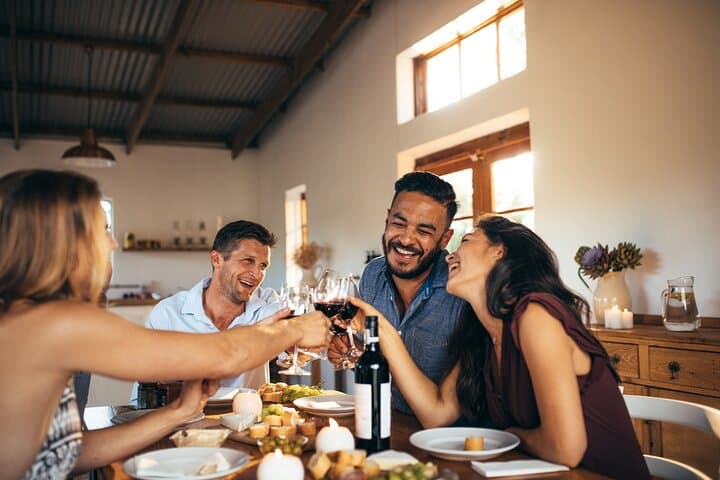
Travel from Montevideo into the nearby vineyards for a guided tasting and a three-course countryside lunch highlighting Uruguay’s Tannat. Expect cellar tours, family-run winery stories, and paired wines served alongside local grass-fed meat and seasonal dishes.
Travel from Montevideo into the nearby vineyards for a guided tasting and a three-course countryside lunch highlighting Uruguay’s Tannat. Expect cellar tours, family-run winery stories, and paired wines served alongside local grass-fed meat and seasonal dishes.
A low-slung van slides out of Montevideo’s traffic and onto a country road where grapevines take over the shoulders, rows pointing like soldiers toward the horizon. The air smells faintly of cut grass and yeast; sunlight tests the shade beneath old oak trees as you climb from the city to a family-owned winery.
Verified experiences and guided adventures in the surrounding area.
Operated by The Wine Experience · Montevideo, Montevideo
A low-slung van slides out of Montevideo’s traffic and onto a country road where grapevines take over the shoulders, rows pointing like soldiers toward the horizon. The air smells faintly of cut grass and yeast; sunlight tests the shade beneath old oak trees as you climb from the city to a family-owned winery.
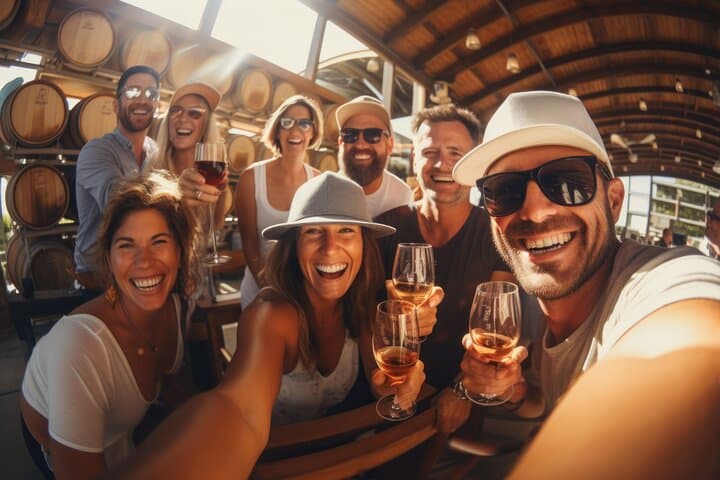
Wineries around Montevideo grew from immigrant vineyards planted in the late 19th and early 20th centuries. The region’s gently rolling plains and well-drained alluvial and sandy-loam soils are forgiving to Tannat, Uruguay’s signature grape, which finds color and structure here more than acidity. Cellars often sit below the tasting room—cool, dim spaces that preserve oak and bottle age like a living library.
Culturally, a winery lunch is as much about social ritual as it is about flavor: expect generous plates of grass-fed beef, seasonal starters, and desserts that lean on local fruit, all paired to show Tannat’s tannins and softer varietals. Hosts explain production choices, herd questions into small group tasting moments, and invite you to compare barrel samples if available.
Practical guidance: the experience lasts about five hours with hotel or port pickup; wear clean, comfortable shoes for gravel and cellar steps and bring sun protection for outdoor plots. If you have mobility or heart concerns, note some cellar stairs and standing tastings. Bring a small camera, a light jacket for cellar chill, and an appetite—this is part tasting lesson, part long-table lunch designed to stretch slow and leave you knowing the land behind the bottle.
easy.
5 hours.
Light walking and standing for tastings; suitable for most travelers in average health
Yes — the tour lists hotel or port pickup and drop-off; confirm your pickup point when booking.
Yes — vegetarian, vegan, and gluten-free alternatives are available but must be requested in advance.
Yes — Tannat is a signature offering on this route and will be included among the guided tastings.
The tour centers on wine and cellar areas and is best for adults; check with the operator for child policies and seating at lunch.
Many Montevideo-area wineries trace roots to European immigrants in the late 1800s; family-owned estates often pass winemaking knowledge across generations.
Smaller producers in the region emphasize low-intervention practices and water-conscious farming; visitors should stick to paths and avoid disturbing vines.
The Wine Experience operates guided outdoor trips and adventures with an emphasis on safety, stewardship, and memorable experiences.
A low-slung van slides out of Montevideo’s traffic and onto a country road where grapevines take over the shoulders, rows pointing like soldiers toward the horizon. The air smells faintly of cut grass and yeast; sunlight tests the shade beneath old oak trees as you climb from the city to a family-owned winery.
A low-slung van slides out of Montevideo’s traffic and onto a country road where grapevines take over the shoulders, rows pointing like soldiers toward the horizon. The air smells faintly of cut grass and yeast; sunlight tests the shade beneath old oak trees as you climb from the city to a family-owned winery.
Wineries around Montevideo grew from immigrant vineyards planted in the late 19th and early 20th centuries. The region’s gently rolling plains and well-drained alluvial and sandy-loam soils are forgiving to Tannat, Uruguay’s signature grape, which finds color and structure here more than acidity. Cellars often sit below the tasting room—cool, dim spaces that preserve oak and bottle age like a living library.
Culturally, a winery lunch is as much about social ritual as it is about flavor: expect generous plates of grass-fed beef, seasonal starters, and desserts that lean on local fruit, all paired to show Tannat’s tannins and softer varietals. Hosts explain production choices, herd questions into small group tasting moments, and invite you to compare barrel samples if available.
Practical guidance: the experience lasts about five hours with hotel or port pickup; wear clean, comfortable shoes for gravel and cellar steps and bring sun protection for outdoor plots. If you have mobility or heart concerns, note some cellar stairs and standing tastings. Bring a small camera, a light jacket for cellar chill, and an appetite—this is part tasting lesson, part long-table lunch designed to stretch slow and leave you knowing the land behind the bottle.