THE ADVENTURE COLLECTIVE® · Independent discovery and booking for outdoor travel

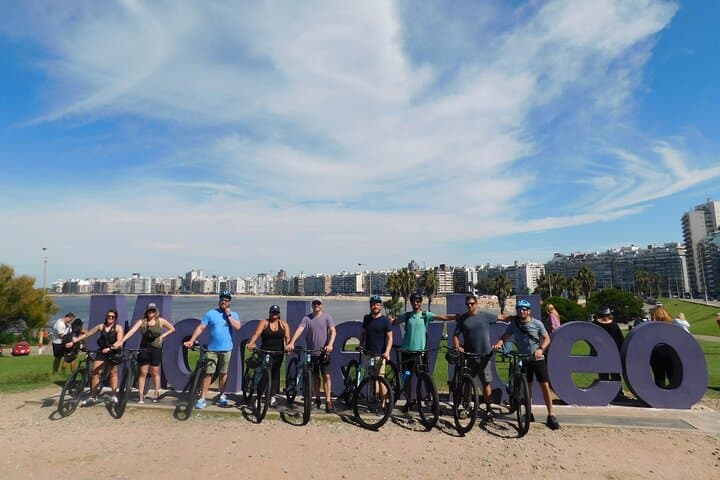
Pedal the Rambla, pass historic plazas and the Centenario Stadium, and taste Montevideo’s coastal rhythm—all in 2–3 hours. This shared bike tour for cruise passengers mixes easy riding with local stories and scenic river views.
Pedal the Rambla, pass historic plazas and the Centenario Stadium, and taste Montevideo’s coastal rhythm—all in 2–3 hours. This shared bike tour for cruise passengers mixes easy riding with local stories and scenic river views.
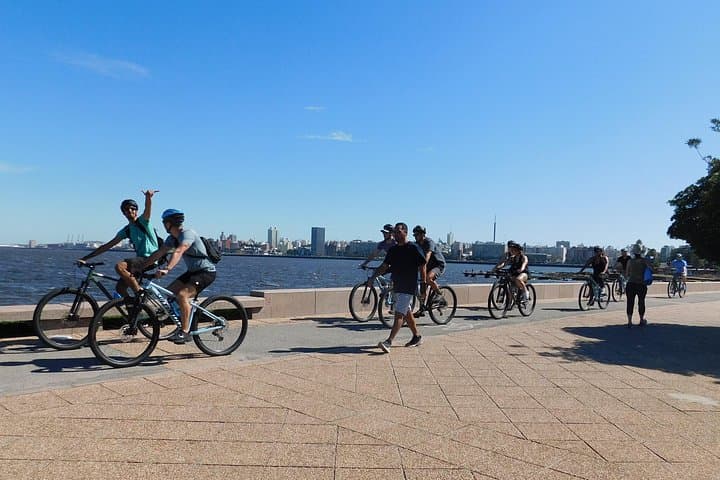
The sea breeze of the Río de la Plata wakes your face long before you see the water—salt and city mixing as you push off from the port on a rental city bike. The guide calls directions in a mix of Spanish and English, and the group threads through broad avenues, past plazas where residents play chess and vendors sell medialunas.
Verified experiences and guided adventures in the surrounding area.
Operated by Yellow Penguin · Montevideo, Montevideo
The sea breeze of the Río de la Plata wakes your face long before you see the water—salt and city mixing as you push off from the port on a rental city bike. The guide calls directions in a mix of Spanish and English, and the group threads through broad avenues, past plazas where residents play chess and vendors sell medialunas.
Montevideo grew from a colonial outpost into Uruguay’s political and cultural heart; its grid of avenues, civic monuments, and a sweeping coastal Rambla reflect waves of 19th- and 20th-century development. Geologically the shoreline is broad and low, formed by sediment from the Plata; culturally you’ll pass theaters, football shrines like the Centenario, and curious sites such as Pittamiglio Castle, each with a quiet local story to tell.
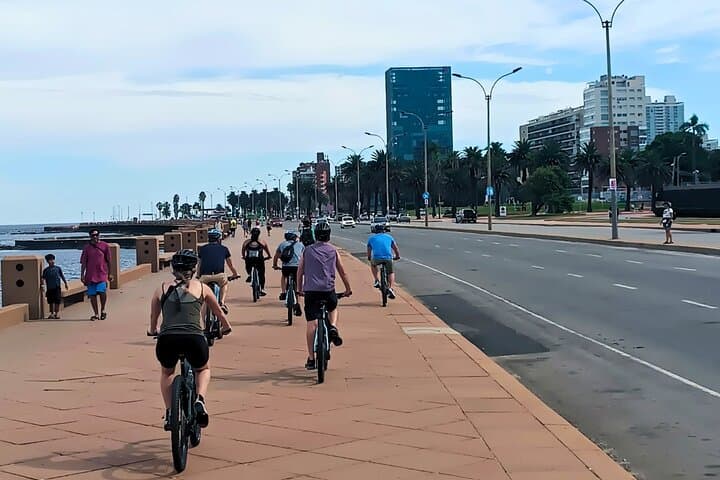
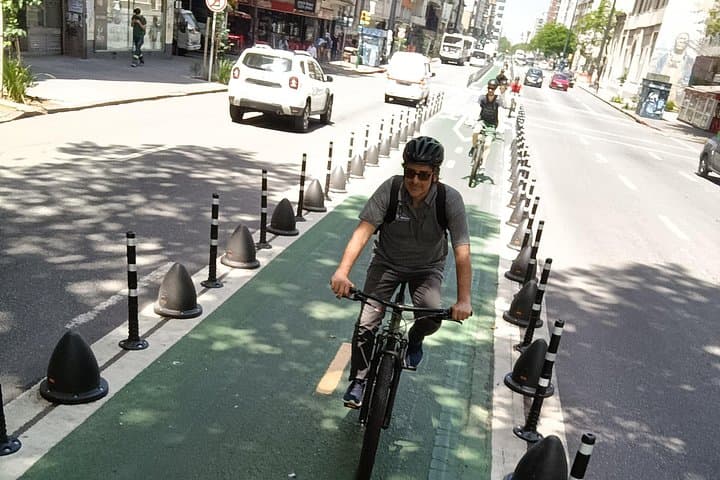
Expect mostly flat, paved riding with dedicated bike lanes on the Rambla and some cobbled squares in the Ciudad Vieja. The route covers roughly 8–12 km depending on group stops, with negligible elevation gain—this is a social, observational ride rather than an endurance test. Bring sun protection and hydrate: the river can push a persistent wind that alternates between cooling and brisk.
Practical tips: register through the cruise port meeting point, plan for 2–3 hours including photo stops and cafe breaks, and carry small local currency for snacks. Helmets and bikes are provided, but if you prefer your own gear bring a familiar saddle. This ride is ideal for first-time visitors who want a quick, scenic orientation to Montevideo’s shoreline, history, and everyday life.
easy.
2–3 hours.
Suitable for most fitness levels; you should be comfortable cycling 8–12 km at a relaxed pace.
Yes—most operators supply helmets, but you may bring your own for fit and comfort.
The typical route covers about 8–12 km with multiple stops for photos and sites; the exact distance varies by group and time available.
Children who are confident on a bike can join; check age or height limits with the operator and consider child seats or tandems if needed.
Bring small local currency for snacks, coffee, or museum entrances not included in the tour; most vendors accept cards but cash is handy.
Montevideo’s layout and public monuments reflect its 19th- and early-20th-century growth as Uruguay’s capital and port city, with landmarks tied to the nation’s political history.
Stick to marked lanes and avoid disturbing shoreline vegetation; use refillable bottles and dispose of waste in city receptacles to reduce plastic on the Rambla.
Yellow Penguin operates guided outdoor trips and adventures with an emphasis on safety, stewardship, and memorable experiences.
The sea breeze of the Río de la Plata wakes your face long before you see the water—salt and city mixing as you push off from the port on a rental city bike. The guide calls directions in a mix of Spanish and English, and the group threads through broad avenues, past plazas where residents play chess and vendors sell medialunas.
The sea breeze of the Río de la Plata wakes your face long before you see the water—salt and city mixing as you push off from the port on a rental city bike. The guide calls directions in a mix of Spanish and English, and the group threads through broad avenues, past plazas where residents play chess and vendors sell medialunas.
Montevideo grew from a colonial outpost into Uruguay’s political and cultural heart; its grid of avenues, civic monuments, and a sweeping coastal Rambla reflect waves of 19th- and 20th-century development. Geologically the shoreline is broad and low, formed by sediment from the Plata; culturally you’ll pass theaters, football shrines like the Centenario, and curious sites such as Pittamiglio Castle, each with a quiet local story to tell.
Expect mostly flat, paved riding with dedicated bike lanes on the Rambla and some cobbled squares in the Ciudad Vieja. The route covers roughly 8–12 km depending on group stops, with negligible elevation gain—this is a social, observational ride rather than an endurance test. Bring sun protection and hydrate: the river can push a persistent wind that alternates between cooling and brisk.
Practical tips: register through the cruise port meeting point, plan for 2–3 hours including photo stops and cafe breaks, and carry small local currency for snacks. Helmets and bikes are provided, but if you prefer your own gear bring a familiar saddle. This ride is ideal for first-time visitors who want a quick, scenic orientation to Montevideo’s shoreline, history, and everyday life.