THE ADVENTURE COLLECTIVE® · Independent discovery and booking for outdoor travel

Walk quiet cloud-forest trails with a certified naturalist at Woodpecker Conservation Preserve and watch for bellbirds, toucans, and manakins from a new canopy platform. This four-hour guided tour blends focused birding with local conservation insight—ideal for photographers and nature lovers.
Walk quiet cloud-forest trails with a certified naturalist at Woodpecker Conservation Preserve and watch for bellbirds, toucans, and manakins from a new canopy platform. This four-hour guided tour blends focused birding with local conservation insight—ideal for photographers and nature lovers.
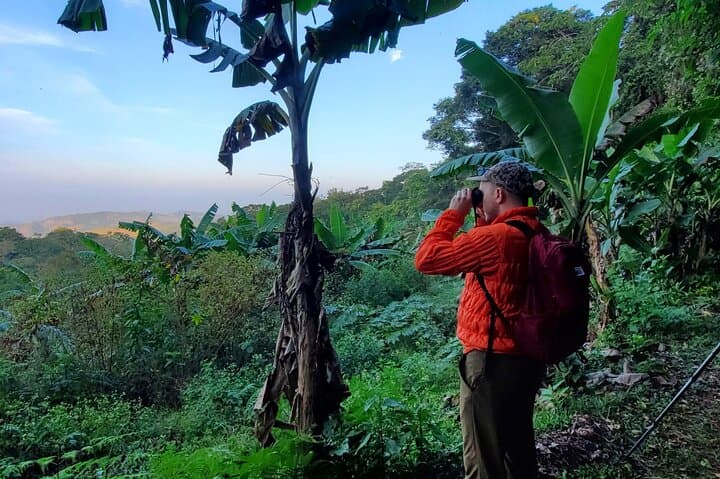
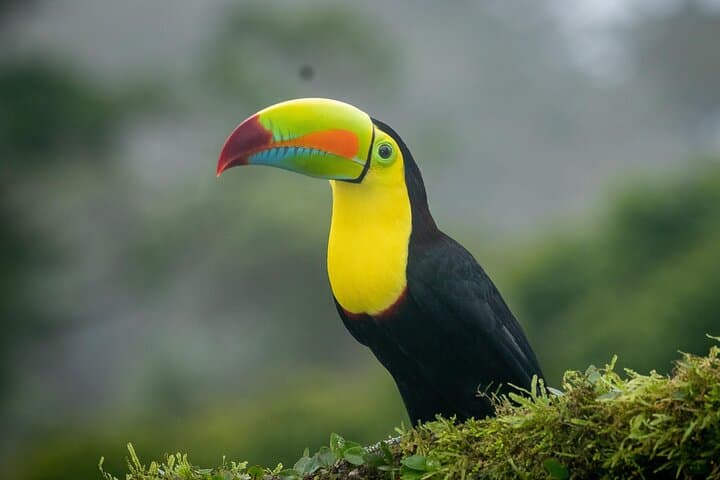
Dawn breaks over a low cloud that rolls through the ridges—humid air tasting of earth and coffee—as you step onto a narrow trail at the Woodpecker Conservation Preserve. The forest wakes in layers: high canopy calls, midstory whistles, and a sudden rattle as a woodpecker drums nearby. Your guide pauses, then points; binoculars find a flash of keel-billed beak, then the stately projection of the endemic Three‑Wattled Bellbird.
Verified experiences and guided adventures in the surrounding area.
Operated by Woodpecker Educational Tours · Monteverde (Santa Elena), Puntarenas
Dawn breaks over a low cloud that rolls through the ridges—humid air tasting of earth and coffee—as you step onto a narrow trail at the Woodpecker Conservation Preserve. The forest wakes in layers: high canopy calls, midstory whistles, and a sudden rattle as a woodpecker drums nearby. Your guide pauses, then points; binoculars find a flash of keel-billed beak, then the stately projection of the endemic Three‑Wattled Bellbird.
The preserve sits on the western edge of Monteverde's cloud forest complex, a landscape shaped by volcanic uplifts and orographic moisture that feeds moss-draped trees and epiphytes. Human history here mixes smallholder agriculture and conservation: local communities helped protect remnant forest patches in the late 20th century, creating corridors for highland and lowland species.
Expect an observational, slow-paced four-hour walk on gentle, sometimes uneven trails with short, steeper sections to the new canopy platform. The platform gives sightlines over the Gulf of Nicoya on clear days and improves chances to spot mixed flocks and migrants.
Practical tips: arrive layered and rain-ready, bring binoculars and a quiet camera, and sip the offered organic coffee to warm up and steady your hands. Tours are led by certified naturalists who tailor pace and focus to your interests—species ID, behavior, or photography. Most visitors find the experience accessible regardless of fitness, but you should be comfortable on damp footing and brief uphill sections. Respect the guide’s distance rules for nests and playback; quiet observation yields the best encounters.
easy.
4 hours.
Suitable for most fitness levels; expect steady walking on uneven, sometimes muddy trails with short inclines.
Guides position groups at respectful distances; the observation platform improves sightlines without approaching nests or disturbing behavior.
Yes; the tour is paced for all skill levels, though young children should be comfortable walking up to four hours with breaks.
Common targets include Three‑Wattled Bellbird, Collared Trogon, Keel‑billed Toucan, Long‑tailed Manakin, and various hummingbirds and flycatchers.
Yes—local organic coffee and a traditional snack are served in the forest at the start of the tour.
Local conservation efforts in the late 20th century protected fragments of cloud forest here, creating corridors that reconnect highland and lowland avifauna.
The preserve emphasizes low-impact viewing and community-led stewardship; avoid playback and stay on trails to minimize disturbance to breeding birds and understorey plants.
Woodpecker Educational Tours operates guided outdoor trips and adventures with an emphasis on safety, stewardship, and memorable experiences.
Dawn breaks over a low cloud that rolls through the ridges—humid air tasting of earth and coffee—as you step onto a narrow trail at the Woodpecker Conservation Preserve. The forest wakes in layers: high canopy calls, midstory whistles, and a sudden rattle as a woodpecker drums nearby. Your guide pauses, then points; binoculars find a flash of keel-billed beak, then the stately projection of the endemic Three‑Wattled Bellbird.
Dawn breaks over a low cloud that rolls through the ridges—humid air tasting of earth and coffee—as you step onto a narrow trail at the Woodpecker Conservation Preserve. The forest wakes in layers: high canopy calls, midstory whistles, and a sudden rattle as a woodpecker drums nearby. Your guide pauses, then points; binoculars find a flash of keel-billed beak, then the stately projection of the endemic Three‑Wattled Bellbird.
The preserve sits on the western edge of Monteverde's cloud forest complex, a landscape shaped by volcanic uplifts and orographic moisture that feeds moss-draped trees and epiphytes. Human history here mixes smallholder agriculture and conservation: local communities helped protect remnant forest patches in the late 20th century, creating corridors for highland and lowland species.
Expect an observational, slow-paced four-hour walk on gentle, sometimes uneven trails with short, steeper sections to the new canopy platform. The platform gives sightlines over the Gulf of Nicoya on clear days and improves chances to spot mixed flocks and migrants.
Practical tips: arrive layered and rain-ready, bring binoculars and a quiet camera, and sip the offered organic coffee to warm up and steady your hands. Tours are led by certified naturalists who tailor pace and focus to your interests—species ID, behavior, or photography. Most visitors find the experience accessible regardless of fitness, but you should be comfortable on damp footing and brief uphill sections. Respect the guide’s distance rules for nests and playback; quiet observation yields the best encounters.