THE ADVENTURE COLLECTIVE® · Independent discovery and booking for outdoor travel

Step into Monteverde after dusk with a private guided night walk through transitional forest. This two‑hour tour focuses on nocturnal birds, mammals and insects with flashlights, private transport and entrance fees included.
Step into Monteverde after dusk with a private guided night walk through transitional forest. This two‑hour tour focuses on nocturnal birds, mammals and insects with flashlights, private transport and entrance fees included.
The forest exhales differently at night: air cools, leaves whisper and small eyes catch the beam of your guide’s flashlight. On this private two‑hour night walk near Monteverde, the trail is intimate and paced, letting nocturnal birds, frogs, mammals and insects appear as if on cue.
Verified experiences and guided adventures in the surrounding area.
Operated by Pasión Costa Rica · Monteverde, Puntarenas
The forest exhales differently at night: air cools, leaves whisper and small eyes catch the beam of your guide’s flashlight. On this private two‑hour night walk near Monteverde, the trail is intimate and paced, letting nocturnal birds, frogs, mammals and insects appear as if on cue.
The transitional forest here sits lower and warmer than the cloud forest above, a product of volcanic soils and steep terraces carved by rain. Cattle ranching and early settlers shaped the patchwork of secondary growth; today protected reserves and private preserves anchor the local conservation ethic. Guides draw on decades of natural‑history observation — pointing out sleeping owls tucked in canopy forks, tree frogs clinging to wet leaves, and sloths that move with surprising deliberation.
Culturally, Santa Elena and Monteverde grew from cooperative and conservation movements; ecotourism funds protection and supports community‑run reserves. Geologically the area is young and rugged, offering ridgelines that channel moist air and fuel the region’s high biodiversity.
Practical notes: wear sturdy, closed‑toe shoes and a light rain shell — the understory holds moisture even on dry nights. Bring insect repellent and a small water bottle; your guide supplies flashlights and local knowledge. Private transportation and entrance fees are typically included, and the walk is suitable for most fitness levels.
Expect close encounters rather than guaranteed sightings; patience pays off. For photographers, low‑light conditions mean long exposures — bring a tripod or steady your camera on a pack. A night walk here is equal parts quiet observation and guided detective work: nature doing what it does when the day withdraws.
easy.
2 hours.
Suitable for most fitness levels; requires walking on uneven ground at a slow, guided pace.
Yes; tours are family‑friendly but children should be able to walk for two hours and follow quiet behavior guidelines.
No sighting guarantees—night activity increases chances, but encounters depend on season, weather and animal behavior.
Guides typically provide flashlights, but bringing a headlamp with a red filter is useful and polite to wildlife.
Most private guides speak Spanish and English; confirm at booking if you need another language.
Monteverde grew from mid‑20th century settlements and a conservation movement led by local cooperatives; ecotourism now funds much of the area's reserves.
Private reserves and guided tours minimize habitat disturbance; visitors are asked to follow leave‑no‑trace practices and avoid collecting specimens.
Pasión Costa Rica operates guided outdoor trips and adventures with an emphasis on safety, stewardship, and memorable experiences.
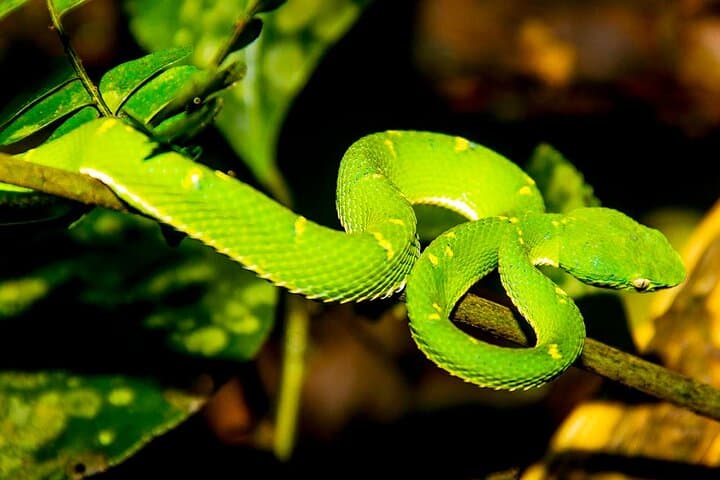
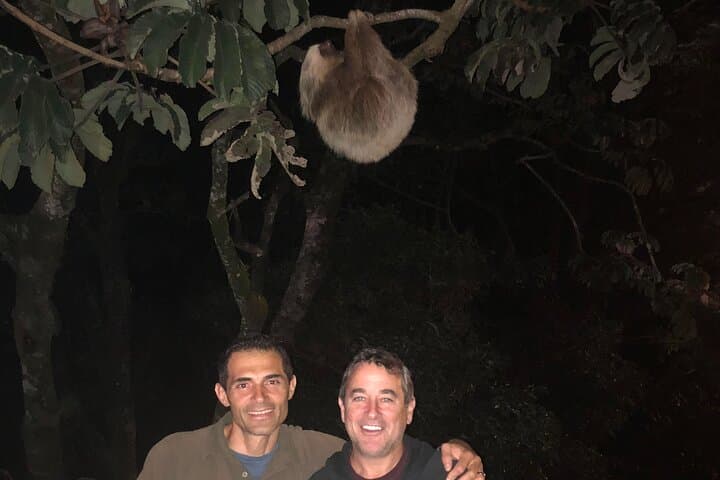
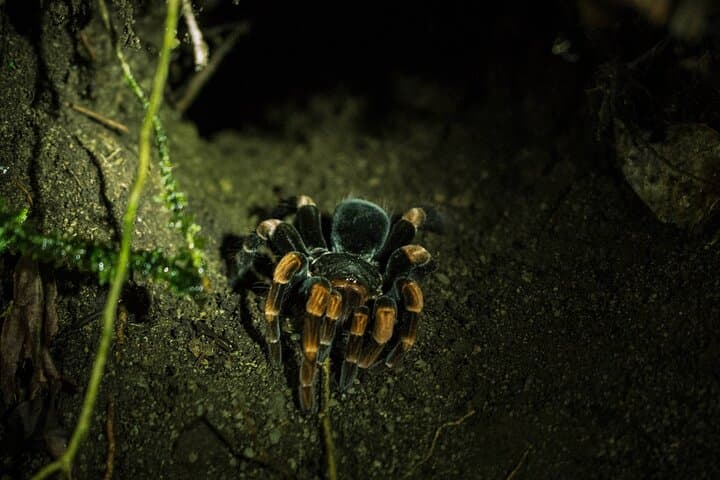

The forest exhales differently at night: air cools, leaves whisper and small eyes catch the beam of your guide’s flashlight. On this private two‑hour night walk near Monteverde, the trail is intimate and paced, letting nocturnal birds, frogs, mammals and insects appear as if on cue.
The forest exhales differently at night: air cools, leaves whisper and small eyes catch the beam of your guide’s flashlight. On this private two‑hour night walk near Monteverde, the trail is intimate and paced, letting nocturnal birds, frogs, mammals and insects appear as if on cue.
The transitional forest here sits lower and warmer than the cloud forest above, a product of volcanic soils and steep terraces carved by rain. Cattle ranching and early settlers shaped the patchwork of secondary growth; today protected reserves and private preserves anchor the local conservation ethic. Guides draw on decades of natural‑history observation — pointing out sleeping owls tucked in canopy forks, tree frogs clinging to wet leaves, and sloths that move with surprising deliberation.
Culturally, Santa Elena and Monteverde grew from cooperative and conservation movements; ecotourism funds protection and supports community‑run reserves. Geologically the area is young and rugged, offering ridgelines that channel moist air and fuel the region’s high biodiversity.
Practical notes: wear sturdy, closed‑toe shoes and a light rain shell — the understory holds moisture even on dry nights. Bring insect repellent and a small water bottle; your guide supplies flashlights and local knowledge. Private transportation and entrance fees are typically included, and the walk is suitable for most fitness levels.
Expect close encounters rather than guaranteed sightings; patience pays off. For photographers, low‑light conditions mean long exposures — bring a tripod or steady your camera on a pack. A night walk here is equal parts quiet observation and guided detective work: nature doing what it does when the day withdraws.