THE ADVENTURE COLLECTIVE® · Independent discovery and booking for outdoor travel

Experience Monteverde after dark on a two-hour guided night walk through transition forest. Learn from a certified naturalist, watch for frogs and nocturnal mammals, and explore microclimates where the jungle comes alive.
Experience Monteverde after dark on a two-hour guided night walk through transition forest. Learn from a certified naturalist, watch for frogs and nocturnal mammals, and explore microclimates where the jungle comes alive.
Night falls and the forest changes voice: leaves murmur, frogs call from the understory and distant owls punctuate the dark. On this two-hour guided night walk through Monteverde’s transition forest, visitors move slowly along narrow trails as the ecosystem flips from daytime hush to nocturnal theatre.
Verified experiences and guided adventures in the surrounding area.
Operated by Alma Tours · Santa Elena, Puntarenas
Night falls and the forest changes voice: leaves murmur, frogs call from the understory and distant owls punctuate the dark. On this two-hour guided night walk through Monteverde’s transition forest, visitors move slowly along narrow trails as the ecosystem flips from daytime hush to nocturnal theatre.
Monteverde sits at roughly 1,400 m on the continental divide; its soils are volcanic and the landscape is a patchwork of cloud forest, secondary growth and pasture carved by decades of conservation work that began in the 1970s. The transition forest you walk through bridges higher cloud forest and lower premontane habitats, producing a high diversity of amphibians, mammals and insects. Local culture is shaped by conservation-minded communities—small towns like Santa Elena grew as bases for scientists and eco-tourism.
Expect muddy, root-strewn trails and tight viewpoints where a guide’s lantern isolates a trembling frog or glinting eye. Guides point out microclimates—cool, foggy gullies and warmer ridgelines—where species shift within meters. Sightings are never guaranteed but sightings are likelier with patience and quiet.
Practical guidance: tours run about 2 hours, operate as private groups with certified guides, and include lanterns and optical equipment. Wear closed-toe shoes and long pants, bring a headlamp with red filter or use guide-provided lanterns, and apply insect repellent before the walk. Avoid flash photography and keep noise low to improve wildlife encounters. The trail is physically easy but uneven; slow, steady pacing gives the best chances to see tree frogs, owls, kinkajous and other night-active species.
easy.
2 hours.
Suitable for most fitness levels; able to walk uneven terrain for up to two hours.
The tour lasts about two hours and is rated easy—trails are short but can be uneven and muddy; slow walking is expected.
Yes; the activity is suitable for most ages and fitness levels, but guardians should supervise young children and inform guides of any mobility concerns.
Sightings cannot be guaranteed—wildlife is unpredictable—but experienced guides maximize chances using quiet, slow searches and local knowledge of microhabitats.
Photography is allowed but avoid flash; low-light or no-flash techniques and patience yield the best results without disturbing wildlife.
Monteverde’s reserves grew from conservation efforts in the 1970s, when local communities and scientists protected humid montane forests that conserve watershed and biodiversity.
Stay on designated trails, minimize light and noise, and avoid handling wildlife; the area’s delicate microclimates recover slowly from trampling and disturbance.
Alma Tours operates guided outdoor trips and adventures with an emphasis on safety, stewardship, and memorable experiences.
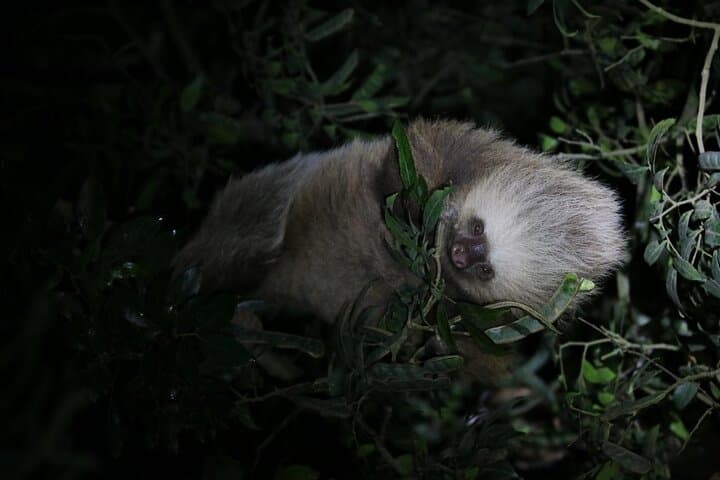
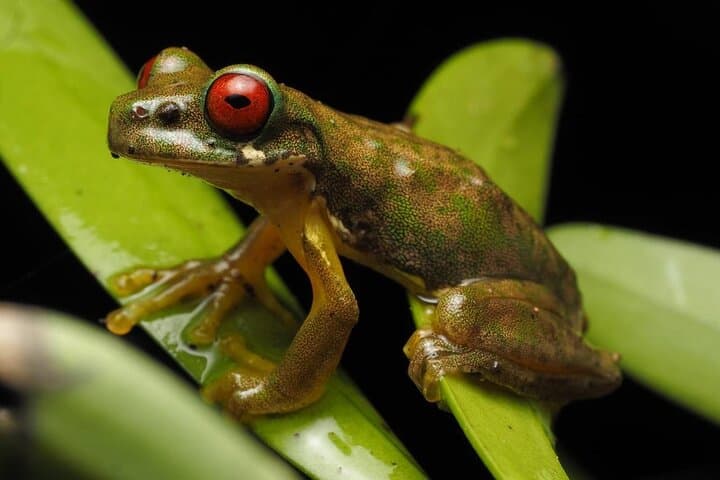
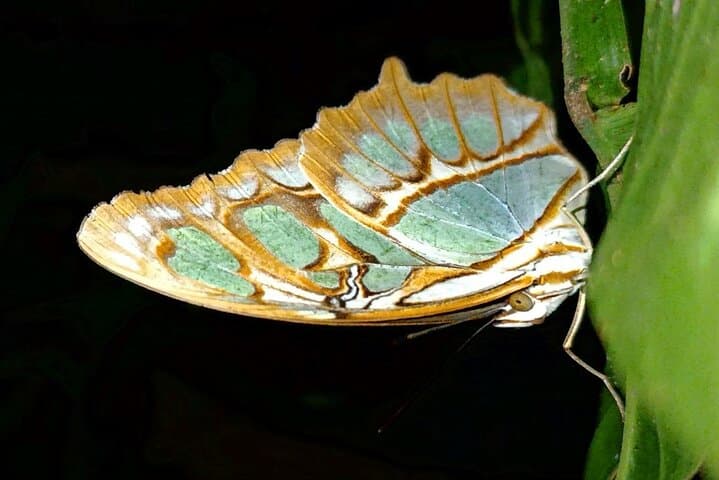
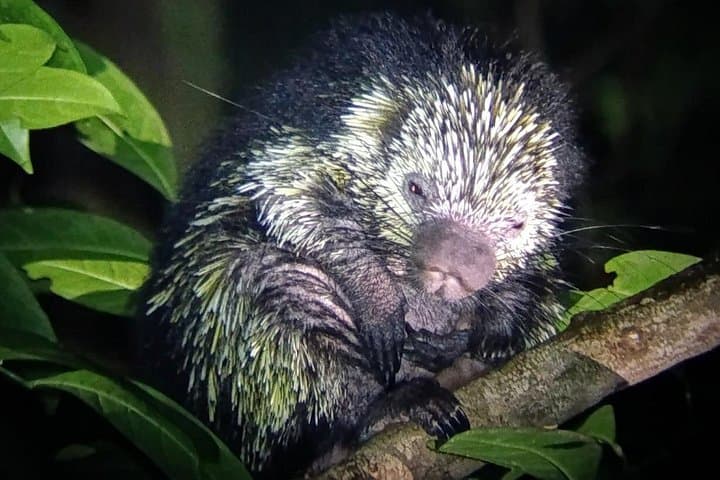
Night falls and the forest changes voice: leaves murmur, frogs call from the understory and distant owls punctuate the dark. On this two-hour guided night walk through Monteverde’s transition forest, visitors move slowly along narrow trails as the ecosystem flips from daytime hush to nocturnal theatre.
Night falls and the forest changes voice: leaves murmur, frogs call from the understory and distant owls punctuate the dark. On this two-hour guided night walk through Monteverde’s transition forest, visitors move slowly along narrow trails as the ecosystem flips from daytime hush to nocturnal theatre.
Monteverde sits at roughly 1,400 m on the continental divide; its soils are volcanic and the landscape is a patchwork of cloud forest, secondary growth and pasture carved by decades of conservation work that began in the 1970s. The transition forest you walk through bridges higher cloud forest and lower premontane habitats, producing a high diversity of amphibians, mammals and insects. Local culture is shaped by conservation-minded communities—small towns like Santa Elena grew as bases for scientists and eco-tourism.
Expect muddy, root-strewn trails and tight viewpoints where a guide’s lantern isolates a trembling frog or glinting eye. Guides point out microclimates—cool, foggy gullies and warmer ridgelines—where species shift within meters. Sightings are never guaranteed but sightings are likelier with patience and quiet.
Practical guidance: tours run about 2 hours, operate as private groups with certified guides, and include lanterns and optical equipment. Wear closed-toe shoes and long pants, bring a headlamp with red filter or use guide-provided lanterns, and apply insect repellent before the walk. Avoid flash photography and keep noise low to improve wildlife encounters. The trail is physically easy but uneven; slow, steady pacing gives the best chances to see tree frogs, owls, kinkajous and other night-active species.