THE ADVENTURE COLLECTIVE® · Independent discovery and booking for outdoor travel

Move quietly into Monteverde’s night and watch the cloud forest come alive. This small-group, two-hour guided walk covers about 3 km of easy trail while guides point out frogs, spiders, snakes, and other nocturnal life.
Move quietly into Monteverde’s night and watch the cloud forest come alive. This small-group, two-hour guided walk covers about 3 km of easy trail while guides point out frogs, spiders, snakes, and other nocturnal life.
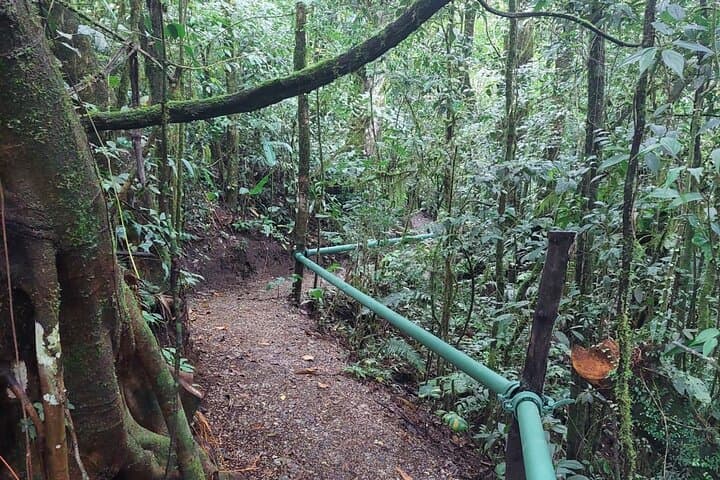
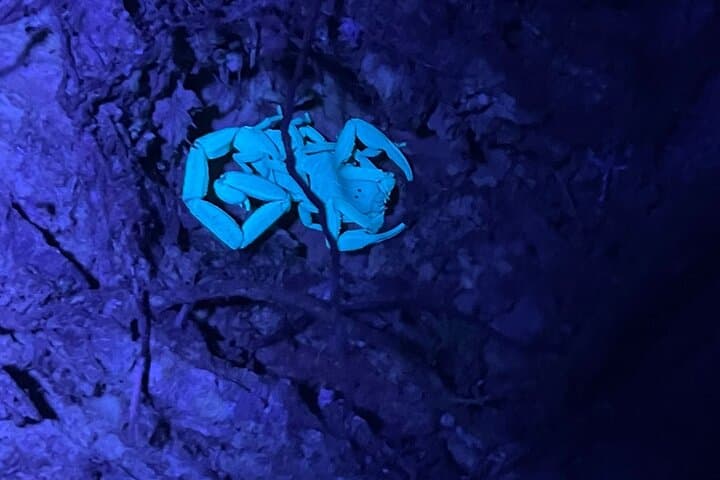
Headlamp beams carve a narrow tunnel through moss-draped branches as the group moves slowly along a compact, 3-kilometer trail. Night here is active—the cloud forest exhales humidity, insects tune up, and tiny eyes flash from the understory. Guides lead small groups of eight or fewer, their voices low, pointing out rustling frogs, webs spun like fine lace, and the occasional slow-moving snake that pauses to regard you.
Verified experiences and guided adventures in the surrounding area.
Operated by El Tesoro · Santa Elena, Puntarenas
Headlamp beams carve a narrow tunnel through moss-draped branches as the group moves slowly along a compact, 3-kilometer trail. Night here is active—the cloud forest exhales humidity, insects tune up, and tiny eyes flash from the understory. Guides lead small groups of eight or fewer, their voices low, pointing out rustling frogs, webs spun like fine lace, and the occasional slow-moving snake that pauses to regard you.
The Monteverde area rose to international conservation prominence in the 1970s when local and international efforts protected remnant cloud forest on volcanic slopes; the reserve’s soils and persistent mist support epiphytes, orchids, and a high concentration of endemic species. Culturally, Santa Elena is a practical hub—cafés, guides, and hospitality shaped around nature tourism and a deep local interest in conservation.
On a guided night walk expect easy terrain with little slope across roughly 3 km and about two hours of slow-paced observation. The guides know where nocturnal amphibians congregate, where tarantulas and large orb-weavers build, and which trees host sleeping birds or foraging mammals. Nighttime visibility is limited—wildlife appears close but brief—and the emphasis is stealth: soft footsteps, dim lights, and patience.
Practical tips: wear closed, grippy shoes for muddy patches; bring a reliable headlamp with a red filter or dim mode; use insect repellent and a light rain layer in the wetter months. Photography requires low-light skills or dedicated gear. Bookings are instant and groups are small—ideal for travelers who want intimate, low-impact wildlife encounters under the cloud forest canopy.
easy.
2 hours.
Suitable for most fitness levels; participants should be able to walk 3 km on uneven, sometimes muddy terrain.
The tour lasts about two hours and covers roughly 3 kilometers on trails with little slope—paced for observation rather than speed.
Yes; the activity is rated easy and appropriate for most ages, though children should remain close to adults and on the trail.
Expect frogs, tree frogs, spiders (including orb-weavers), occasional snakes, nocturnal birds, and small mammals—sightings vary by season and chance.
Yes, but low-light conditions require a camera with good high-ISO performance or a tripod; flash is discouraged because it can disturb animals.
Monteverde’s protected cloud forest began drawing conservation attention in the 1970s when local and international efforts secured land to preserve unique montane ecosystems.
Tours run in small groups to limit disturbance; staying on trails and minimizing light/noise helps protect sensitive nocturnal species.
El Tesoro operates guided outdoor trips and adventures with an emphasis on safety, stewardship, and memorable experiences.


Headlamp beams carve a narrow tunnel through moss-draped branches as the group moves slowly along a compact, 3-kilometer trail. Night here is active—the cloud forest exhales humidity, insects tune up, and tiny eyes flash from the understory. Guides lead small groups of eight or fewer, their voices low, pointing out rustling frogs, webs spun like fine lace, and the occasional slow-moving snake that pauses to regard you.
Headlamp beams carve a narrow tunnel through moss-draped branches as the group moves slowly along a compact, 3-kilometer trail. Night here is active—the cloud forest exhales humidity, insects tune up, and tiny eyes flash from the understory. Guides lead small groups of eight or fewer, their voices low, pointing out rustling frogs, webs spun like fine lace, and the occasional slow-moving snake that pauses to regard you.
The Monteverde area rose to international conservation prominence in the 1970s when local and international efforts protected remnant cloud forest on volcanic slopes; the reserve’s soils and persistent mist support epiphytes, orchids, and a high concentration of endemic species. Culturally, Santa Elena is a practical hub—cafés, guides, and hospitality shaped around nature tourism and a deep local interest in conservation.
On a guided night walk expect easy terrain with little slope across roughly 3 km and about two hours of slow-paced observation. The guides know where nocturnal amphibians congregate, where tarantulas and large orb-weavers build, and which trees host sleeping birds or foraging mammals. Nighttime visibility is limited—wildlife appears close but brief—and the emphasis is stealth: soft footsteps, dim lights, and patience.
Practical tips: wear closed, grippy shoes for muddy patches; bring a reliable headlamp with a red filter or dim mode; use insect repellent and a light rain layer in the wetter months. Photography requires low-light skills or dedicated gear. Bookings are instant and groups are small—ideal for travelers who want intimate, low-impact wildlife encounters under the cloud forest canopy.