THE ADVENTURE COLLECTIVE® · Independent discovery and booking for outdoor travel

Move through Monteverde’s cloud forest with a certified naturalist and spotting scope to find birds, frogs and epiphytes otherwise easy to miss. Expect three hours on rooted, sometimes muddy trails and top-tier local interpretation.
Move through Monteverde’s cloud forest with a certified naturalist and spotting scope to find birds, frogs and epiphytes otherwise easy to miss. Expect three hours on rooted, sometimes muddy trails and top-tier local interpretation.
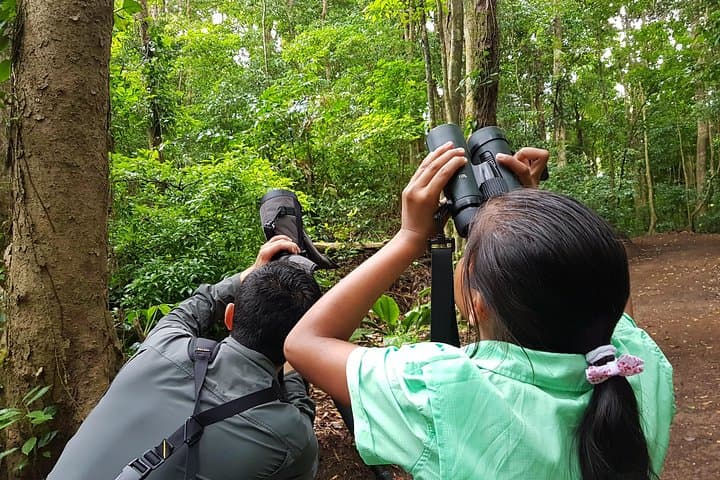
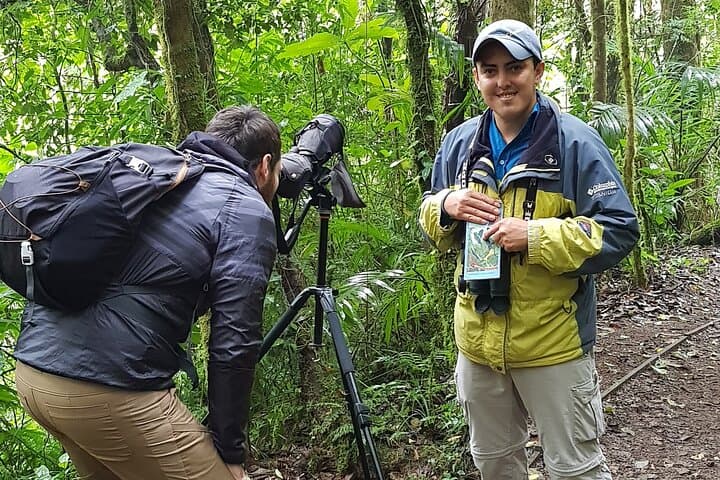
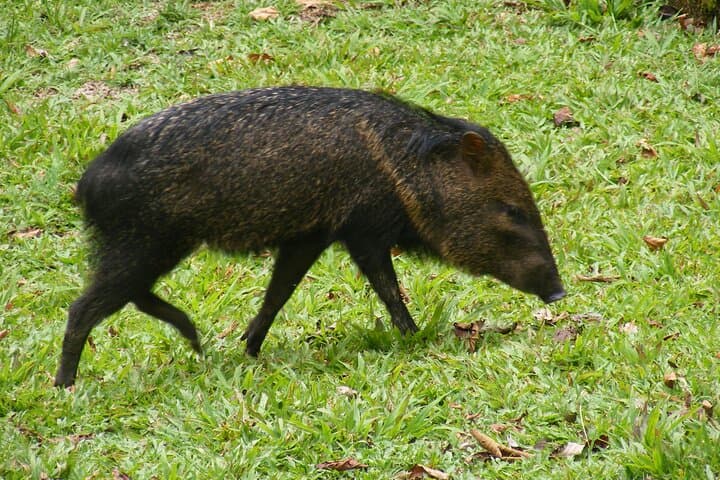
Dawn slips through low clouds and the forest exhales — mist clings to fern fronds and the first birds begin their calls. On a Natural History Walk in Monteverde you move slowly, guided by a local naturalist whose telescope and field guides point out tiny jewels: a flash of tanager color, a frog clinging to a leaf, a bromeliad full of life.
Verified experiences and guided adventures in the surrounding area.
Operated by Jean Carlo Tours · Monteverde, Puntarenas
Dawn slips through low clouds and the forest exhales — mist clings to fern fronds and the first birds begin their calls. On a Natural History Walk in Monteverde you move slowly, guided by a local naturalist whose telescope and field guides point out tiny jewels: a flash of tanager color, a frog clinging to a leaf, a bromeliad full of life.
Monteverde sits on the continental bridge between North and South America, a zone of intense migration and endemism. The reserve’s ridged volcanic topography, high elevation (roughly 1,200–1,600 m), and persistent cloud cover create microhabitats where orchids, epiphytes and rare birds thrive. Culturally, the area blends Tico (Costa Rican) agricultural traditions with a strong conservation ethic seeded by early settlers and international scientists.
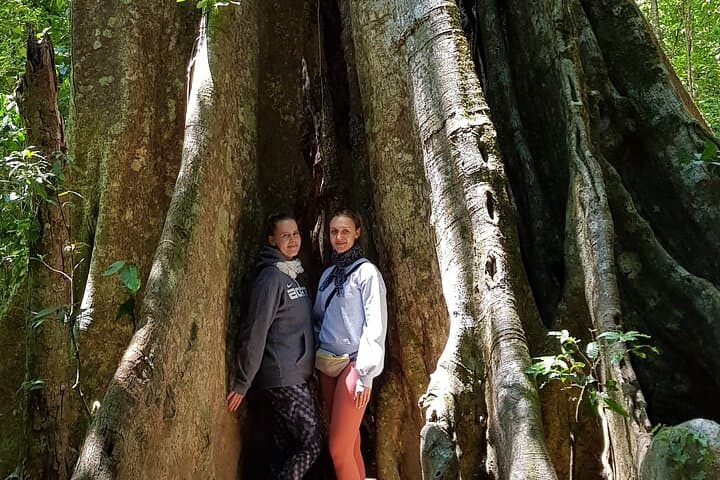
Trails are compact and rooted, winding through primary and secondary cloud forest with moss-covered trunks and sudden clearings that offer sweeping valley views. Wildlife viewing is best in the cooler, early hours; the guide’s spotting scope expands distant canopy details and increases photo opportunities without disturbing animals.
Practical notes: plan for three hours on uneven, sometimes muddy trails; wear grippy hiking shoes and a breathable rain shell; bring water and a small snack. Respect the guide’s pace — silence is the tool for sightings — and leave no trace: trails are narrow and the ecosystem is fragile. Whether you’re after resplendent quetzals, hummingbird flocks, or amphibian microfauna, this walk pairs expert interpretation with the quiet, deliberate pace that yields discovery.
moderate.
3 hours.
Participants should have moderate fitness: able to walk 2–4 miles over uneven terrain with short uphill sections.
The tour lasts about three hours and is rated moderate — expect rooted, sometimes steep sections but no technical climbing.
The guide provides a spotting scope; personal binoculars and cameras are recommended for individual viewing and photos.
People with moderate mobility can participate; children and seniors should be able to manage uneven trails and short uphill stretches.
Dress in layers, wear grippy closed-toe shoes, and bring a lightweight rain jacket—the cloud forest is cool and can drizzle unexpectedly.
Monteverde’s protected forests emerged from a patchwork of dairy farms and conservation efforts in the 1970s; international researchers helped establish reserves that prioritize biodiversity.
The area relies on guided access and visitor education to minimize impact; stick to trails and follow guide instructions to protect fragile microhabitats.
Jean Carlo Tours operates guided outdoor trips and adventures with an emphasis on safety, stewardship, and memorable experiences.
Dawn slips through low clouds and the forest exhales — mist clings to fern fronds and the first birds begin their calls. On a Natural History Walk in Monteverde you move slowly, guided by a local naturalist whose telescope and field guides point out tiny jewels: a flash of tanager color, a frog clinging to a leaf, a bromeliad full of life.
Dawn slips through low clouds and the forest exhales — mist clings to fern fronds and the first birds begin their calls. On a Natural History Walk in Monteverde you move slowly, guided by a local naturalist whose telescope and field guides point out tiny jewels: a flash of tanager color, a frog clinging to a leaf, a bromeliad full of life.
Monteverde sits on the continental bridge between North and South America, a zone of intense migration and endemism. The reserve’s ridged volcanic topography, high elevation (roughly 1,200–1,600 m), and persistent cloud cover create microhabitats where orchids, epiphytes and rare birds thrive. Culturally, the area blends Tico (Costa Rican) agricultural traditions with a strong conservation ethic seeded by early settlers and international scientists.
Trails are compact and rooted, winding through primary and secondary cloud forest with moss-covered trunks and sudden clearings that offer sweeping valley views. Wildlife viewing is best in the cooler, early hours; the guide’s spotting scope expands distant canopy details and increases photo opportunities without disturbing animals.
Practical notes: plan for three hours on uneven, sometimes muddy trails; wear grippy hiking shoes and a breathable rain shell; bring water and a small snack. Respect the guide’s pace — silence is the tool for sightings — and leave no trace: trails are narrow and the ecosystem is fragile. Whether you’re after resplendent quetzals, hummingbird flocks, or amphibian microfauna, this walk pairs expert interpretation with the quiet, deliberate pace that yields discovery.