THE ADVENTURE COLLECTIVE® · Independent discovery and booking for outdoor travel

Walk the Monteverde cloud forest with a local naturalist: two hours of focused birding, botany and close wildlife observation. Small groups and telescopes let you study bromeliads, mosses and native birds like toucans and quetzal.
Walk the Monteverde cloud forest with a local naturalist: two hours of focused birding, botany and close wildlife observation. Small groups and telescopes let you study bromeliads, mosses and native birds like toucans and quetzal.
Fog drifts through the canopy like a slow-moving crowd; every leaf shivers with moisture and the trail hums with life. A small group steps from the reserve gate and moves at the pace of the forest — stopping when a guide lifts binoculars, pausing when a toucan calls from the branches, leaning in to read moss and epiphytes as if they were pages in a living book.
Verified experiences and guided adventures in the surrounding area.
Operated by Ficus Trails Night Tour Monteverde · Santa Elena, Puntarenas
Fog drifts through the canopy like a slow-moving crowd; every leaf shivers with moisture and the trail hums with life. A small group steps from the reserve gate and moves at the pace of the forest — stopping when a guide lifts binoculars, pausing when a toucan calls from the branches, leaning in to read moss and epiphytes as if they were pages in a living book.
The Monteverde cloud forest formed where Pacific and Caribbean air masses meet, pushing moisture up the continental slope and feeding a dense, humid ecosystem rich in orchids, bromeliads and ancient oaks. Human history here mixes campesino farmers and international conservationists who helped protect large tracts in the 1970s and 80s; today local guides translate both natural history and the cultural story of land-use change.
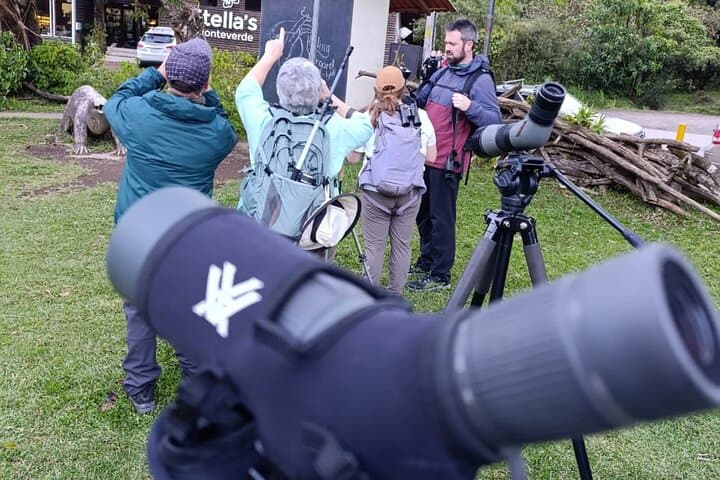
Expect close readings of flora — bromeliads cradling frog eggs, mosses threaded over limbs — and focused birding for toucans, trogons and, seasonally, resplendent quetzal. Guides use telescopes and quiet observation techniques rather than hurried looks, making the walk educational and family-friendly.
Practical side: the itinerary is about two hours on maintained forest trails with uneven, often wet surfaces and modest elevation change. Wear grippy shoes and a rain shell; bring water and insect repellent. Mornings are best for bird activity; afternoons bring thicker mist and cooler temps. Small groups (up to eight) mean personalized interpretation, so let the guide know if you want botany, photography, or birding focus. This is an intimate, low-impact encounter with one of Costa Rica’s most biodiverse cloud forests.
moderate.
2 hours.
Moderate — able to walk 2–4 km on uneven, sometimes muddy trails with short inclines
No — this guided walk provides interpretation only; you will need to purchase reserve admission separately at either Monteverde Cloud Forest Biological Reserve or Curi-Cancha Nature Reserve.
The tour is family-friendly but requires moderate fitness: participants should handle uneven, sometimes muddy trails for about two hours.
Yes — guides adapt the walk to group interests; mention preferences at booking or to the guide at the start.
Quetzal sightings are seasonal, often more likely during breeding and fruiting months (roughly March–May and September–October), and early mornings increase chances.
Local conservation efforts in the 1970s and 80s, led by settlers and scientists, created private reserves that protected large cloud forest tracts and fostered ecotourism.
Stick to trails, avoid touching vegetation, and follow your guide’s instructions — limiting disturbance to wildlife and preventing the spread of invasive seeds helps preserve the fragile cloud forest.
Ficus Trails Night Tour Monteverde operates guided outdoor trips and adventures with an emphasis on safety, stewardship, and memorable experiences.
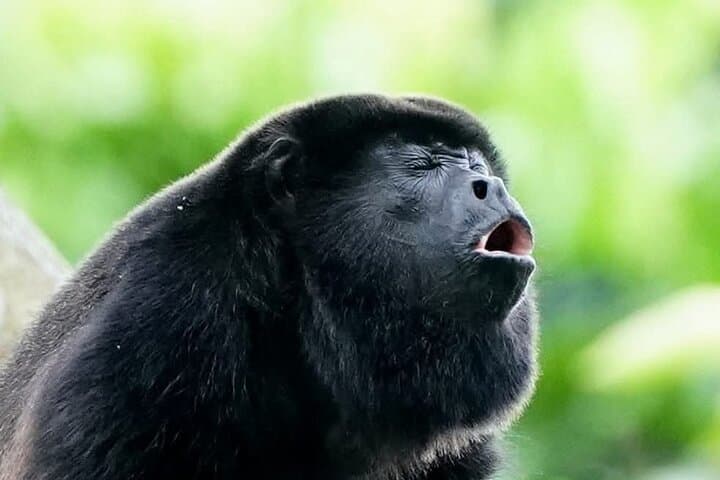
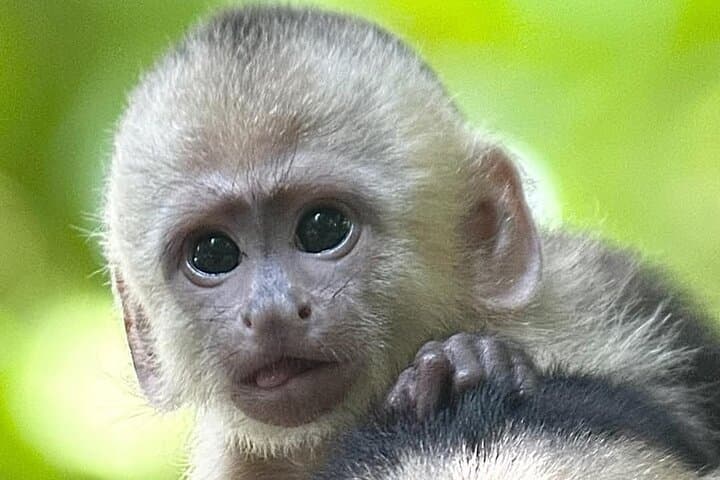
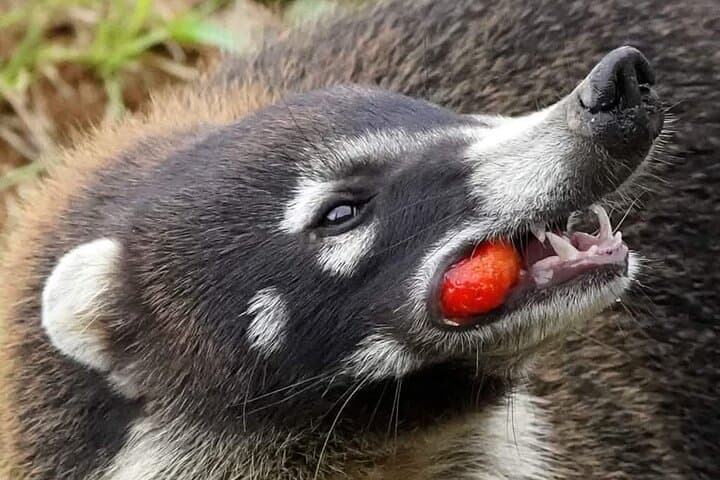
Fog drifts through the canopy like a slow-moving crowd; every leaf shivers with moisture and the trail hums with life. A small group steps from the reserve gate and moves at the pace of the forest — stopping when a guide lifts binoculars, pausing when a toucan calls from the branches, leaning in to read moss and epiphytes as if they were pages in a living book.
Fog drifts through the canopy like a slow-moving crowd; every leaf shivers with moisture and the trail hums with life. A small group steps from the reserve gate and moves at the pace of the forest — stopping when a guide lifts binoculars, pausing when a toucan calls from the branches, leaning in to read moss and epiphytes as if they were pages in a living book.
The Monteverde cloud forest formed where Pacific and Caribbean air masses meet, pushing moisture up the continental slope and feeding a dense, humid ecosystem rich in orchids, bromeliads and ancient oaks. Human history here mixes campesino farmers and international conservationists who helped protect large tracts in the 1970s and 80s; today local guides translate both natural history and the cultural story of land-use change.
Expect close readings of flora — bromeliads cradling frog eggs, mosses threaded over limbs — and focused birding for toucans, trogons and, seasonally, resplendent quetzal. Guides use telescopes and quiet observation techniques rather than hurried looks, making the walk educational and family-friendly.
Practical side: the itinerary is about two hours on maintained forest trails with uneven, often wet surfaces and modest elevation change. Wear grippy shoes and a rain shell; bring water and insect repellent. Mornings are best for bird activity; afternoons bring thicker mist and cooler temps. Small groups (up to eight) mean personalized interpretation, so let the guide know if you want botany, photography, or birding focus. This is an intimate, low-impact encounter with one of Costa Rica’s most biodiverse cloud forests.