THE ADVENTURE COLLECTIVE® · Independent discovery and booking for outdoor travel

Step into a family-run coffee farm in Monteverde’s San Luis Valley to roast, grind and taste coffees grown on-site. This two-hour cultural and nature walk pairs hands-on coffee processing with homemade pastries and close-up views of cloud forest flora.
Step into a family-run coffee farm in Monteverde’s San Luis Valley to roast, grind and taste coffees grown on-site. This two-hour cultural and nature walk pairs hands-on coffee processing with homemade pastries and close-up views of cloud forest flora.
The path opens under a canopy of ficus roots and orchids; humidity clings to your jacket and the smell of green coffee cherries rises like a challenge. On the Ramirez Brenes family farm in San Luis, Monteverde, the day moves at the rhythm of the plantation—hands in burlap, a small roaster crackling over flame, and the warm, precise pour of a tica-style cup shared at a wooden table.
Verified experiences and guided adventures in the surrounding area.
Operated by Café San Luis · Santa Elena, Puntarenas
The path opens under a canopy of ficus roots and orchids; humidity clings to your jacket and the smell of green coffee cherries rises like a challenge. On the Ramirez Brenes family farm in San Luis, Monteverde, the day moves at the rhythm of the plantation—hands in burlap, a small roaster crackling over flame, and the warm, precise pour of a tica-style cup shared at a wooden table.
Coffee shaped this landscape: introduced centuries ago and intensified during Costa Rica’s export era, the beans here reflect microclimates and family practice more than industrial scale. Geologically, Monteverde sits on a ridge where moist Pacific air meets cooler highland conditions, feeding a cloud forest ecosystem that favors orchids, bromeliads, and the thick aerial roots of ficus trees you’ll pass on the walk.
Culturally the tour is intimate—this is a household’s rhythm, not a factory line. You’ll learn traditional processing methods (natural and honey), visit an old house full of local stories, and roast and grind beans yourself before a tasting paired with Dona Denia’s homemade pastries.
Practical guide: the experience runs about two hours and involves easy, mostly flat farm paths; comfortable shoes and a light rain layer are advisable. Morning slots are best for cooler air and fresher aromas. Expect small-group interaction with the family—ask about varietals and local growing practices—and bring cash for souvenirs or extra pastries. Respect farm boundaries, avoid touching orchids or wildlife, and treat this as a cultural exchange as much as a tasting.
easy.
2 hours.
Suitable for most fitness levels; short, gentle walking on farm paths and small steps are involved
The experience is approximately two hours, including a guided walk, a visit to the old house, a roasting demo, and a tasting with pastries.
Yes—it's suitable for children and infants (strollers can be used on the main paths), but supervision is required around equipment and plants.
The family provides homemade pastries and coffee; notify them in advance of dietary needs so alternatives can be arranged.
Yes, the farm typically sells small-batch beans processed on the property—bring cash for purchases.
Coffee cultivation has been central to Costa Rica’s rural economy; family farms like the Ramirez Brenes reflect generations of small-scale production and local knowledge.
Supporting family farms helps preserve cloud-forest fragments and sustainable practices; avoid single-use plastics and stay on paths to protect sensitive orchids and understory.
Café San Luis operates guided outdoor trips and adventures with an emphasis on safety, stewardship, and memorable experiences.
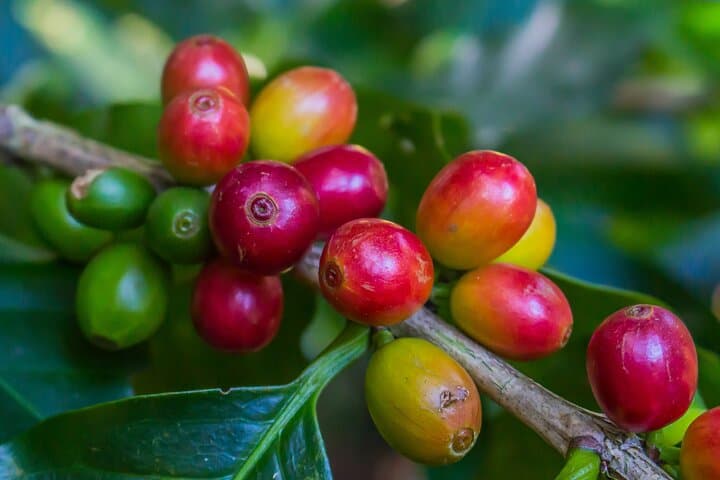
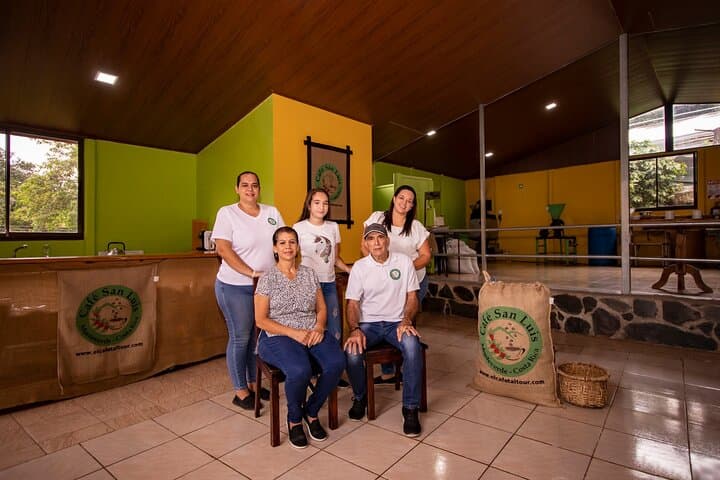
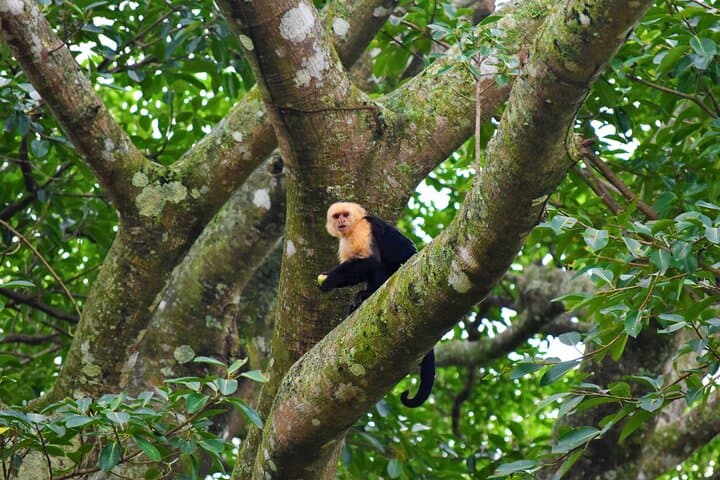
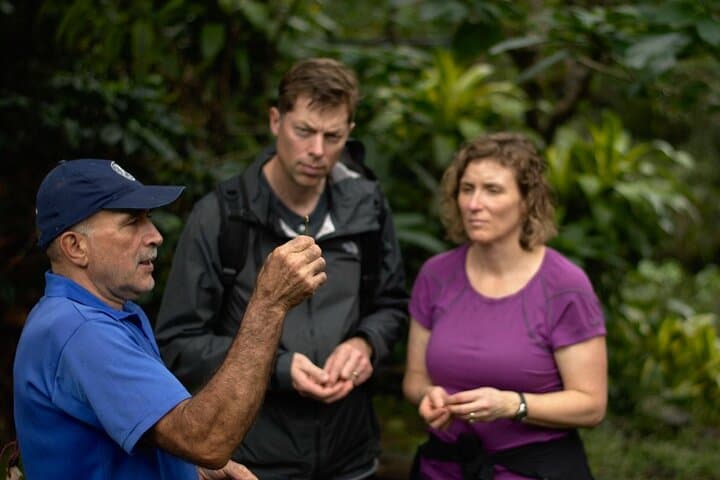
The path opens under a canopy of ficus roots and orchids; humidity clings to your jacket and the smell of green coffee cherries rises like a challenge. On the Ramirez Brenes family farm in San Luis, Monteverde, the day moves at the rhythm of the plantation—hands in burlap, a small roaster crackling over flame, and the warm, precise pour of a tica-style cup shared at a wooden table.
The path opens under a canopy of ficus roots and orchids; humidity clings to your jacket and the smell of green coffee cherries rises like a challenge. On the Ramirez Brenes family farm in San Luis, Monteverde, the day moves at the rhythm of the plantation—hands in burlap, a small roaster crackling over flame, and the warm, precise pour of a tica-style cup shared at a wooden table.
Coffee shaped this landscape: introduced centuries ago and intensified during Costa Rica’s export era, the beans here reflect microclimates and family practice more than industrial scale. Geologically, Monteverde sits on a ridge where moist Pacific air meets cooler highland conditions, feeding a cloud forest ecosystem that favors orchids, bromeliads, and the thick aerial roots of ficus trees you’ll pass on the walk.
Culturally the tour is intimate—this is a household’s rhythm, not a factory line. You’ll learn traditional processing methods (natural and honey), visit an old house full of local stories, and roast and grind beans yourself before a tasting paired with Dona Denia’s homemade pastries.
Practical guide: the experience runs about two hours and involves easy, mostly flat farm paths; comfortable shoes and a light rain layer are advisable. Morning slots are best for cooler air and fresher aromas. Expect small-group interaction with the family—ask about varietals and local growing practices—and bring cash for souvenirs or extra pastries. Respect farm boundaries, avoid touching orchids or wildlife, and treat this as a cultural exchange as much as a tasting.