THE ADVENTURE COLLECTIVE® · Independent discovery and booking for outdoor travel

Walk a family farm in the heart of Monteverde’s cloud forest to see how coffee, cocoa and sugarcane move from field to cup. This 1–2 hour tasting tour blends hands-on demos with local flavors and ecological context.
Walk a family farm in the heart of Monteverde’s cloud forest to see how coffee, cocoa and sugarcane move from field to cup. This 1–2 hour tasting tour blends hands-on demos with local flavors and ecological context.
Fog threads through the coffee rows as you step off a shaded path onto a small family farm in Monteverde. Birdsong and distant frogs puncture the quiet; the air smells of wet earth and fresh grounds. Over the next 75–120 minutes you move from plantation to greenhouse to extraction table, watching raw beans, cacao pods and bundled stalks become familiar flavors.
Verified experiences and guided adventures in the surrounding area.
Operated by Best Activities in Costa Rica · Santa Elena, Puntarenas
Fog threads through the coffee rows as you step off a shaded path onto a small family farm in Monteverde. Birdsong and distant frogs puncture the quiet; the air smells of wet earth and fresh grounds. Over the next 75–120 minutes you move from plantation to greenhouse to extraction table, watching raw beans, cacao pods and bundled stalks become familiar flavors.
The tour sits where Costa Rica’s coffee culture meets cloud-forest ecology: smallholdings carved from volcanic slopes that capture mist and feed springs. Coffee became a national engine in the 19th century and Monteverde’s steep, porous soils give beans a bright acidity and floral lift. Cocoa here is processed in warm, vented greenhouses so fermenting aromas don’t overwhelm the forest; sugarcane remains a traditional crop used for juices and sobado sweets.
Culturally, these family estates combine agricultural know-how with local gastronomy—expect to taste picadillo de arracache alongside a freshly brewed cup while a guide explains roasting, fermentation and sustainable practices.
Practical guidance: wear closed-toe shoes and a light rain layer—the cloud forest turns quickly. The route is short, mostly flat and wheelchair-accessible on most estates, but uneven soil can be slick after rain. Bring a reusable water bottle and arrive with an appetite; tastings are included. Plan this for the morning to catch cooler air and more active wildlife. Photography is welcome, but ask before entering production areas. This is an introductory, sensory-forward farm walk—perfect for curious travelers who want hands-on food history without a long trek.
easy.
1–2 hours.
Light walking ability; suitable for most ages and fitness levels
The experience runs about 60–120 minutes depending on group size and demonstrations, with most visits lasting roughly 75 minutes.
Yes—many family estates are stroller- and wheelchair-accessible, though uneven ground may require a helper.
Yes—coffee tastings, a sample of chocolate preparation and sugarcane juice tastings plus a local snack like picadillo de arracache are typically included.
Most operators in Monteverde provide bilingual guides (Spanish and English); check when booking if you need another language.
Coffee shaped Costa Rica’s 19th–20th century economy; Monteverde later became an eco-tourism hub as settlers and conservationists protected cloud-forest tracts.
Many family farms use shaded coffee practices and composting to protect soil and water; visitors should avoid single-use plastics and follow farm rules to minimize impact.
Best Activities in Costa Rica operates guided outdoor trips and adventures with an emphasis on safety, stewardship, and memorable experiences.
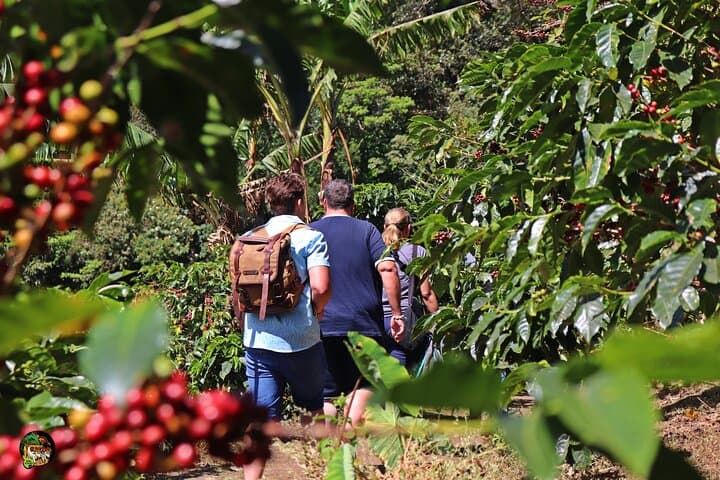
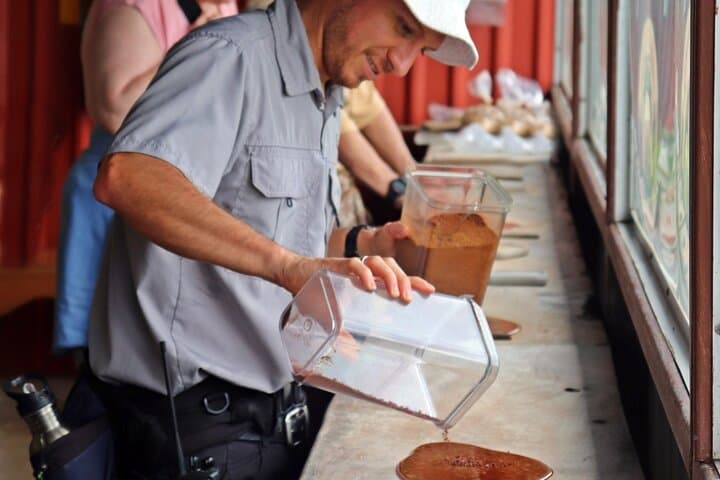
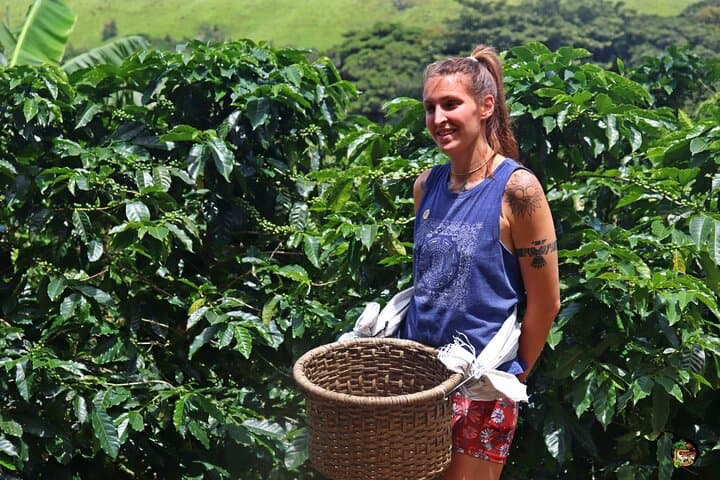
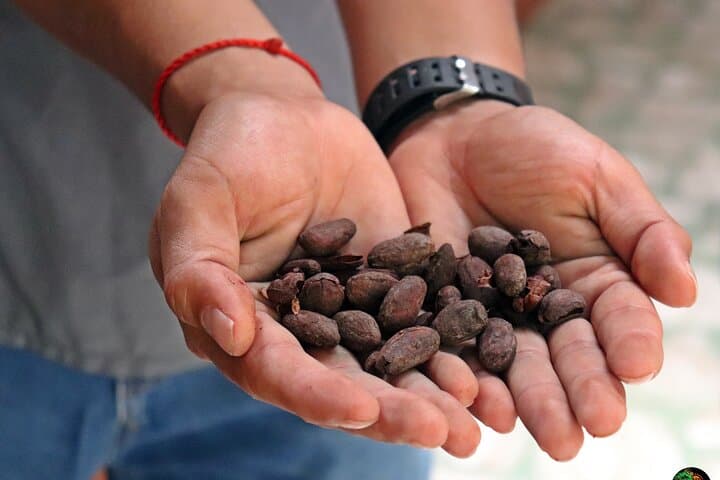
Fog threads through the coffee rows as you step off a shaded path onto a small family farm in Monteverde. Birdsong and distant frogs puncture the quiet; the air smells of wet earth and fresh grounds. Over the next 75–120 minutes you move from plantation to greenhouse to extraction table, watching raw beans, cacao pods and bundled stalks become familiar flavors.
Fog threads through the coffee rows as you step off a shaded path onto a small family farm in Monteverde. Birdsong and distant frogs puncture the quiet; the air smells of wet earth and fresh grounds. Over the next 75–120 minutes you move from plantation to greenhouse to extraction table, watching raw beans, cacao pods and bundled stalks become familiar flavors.
The tour sits where Costa Rica’s coffee culture meets cloud-forest ecology: smallholdings carved from volcanic slopes that capture mist and feed springs. Coffee became a national engine in the 19th century and Monteverde’s steep, porous soils give beans a bright acidity and floral lift. Cocoa here is processed in warm, vented greenhouses so fermenting aromas don’t overwhelm the forest; sugarcane remains a traditional crop used for juices and sobado sweets.
Culturally, these family estates combine agricultural know-how with local gastronomy—expect to taste picadillo de arracache alongside a freshly brewed cup while a guide explains roasting, fermentation and sustainable practices.
Practical guidance: wear closed-toe shoes and a light rain layer—the cloud forest turns quickly. The route is short, mostly flat and wheelchair-accessible on most estates, but uneven soil can be slick after rain. Bring a reusable water bottle and arrive with an appetite; tastings are included. Plan this for the morning to catch cooler air and more active wildlife. Photography is welcome, but ask before entering production areas. This is an introductory, sensory-forward farm walk—perfect for curious travelers who want hands-on food history without a long trek.