THE ADVENTURE COLLECTIVE® · Independent discovery and booking for outdoor travel

Step into Monteverde’s cloud-wreathed forest on a 2.5-hour guided walk led by a specialist naturalist. See quetzals, hummingbirds, and epiphytic plants while learning the reserve’s conservation history and practical trail tips.
Step into Monteverde’s cloud-wreathed forest on a 2.5-hour guided walk led by a specialist naturalist. See quetzals, hummingbirds, and epiphytic plants while learning the reserve’s conservation history and practical trail tips.
Mist hangs in the canopy as your group steps off the minibus and into a green world where clouds feel close enough to touch. Moss slicks the trunks, epiphytes drape branches like living quilts, and every step on the narrow path brings new calls — a high chirp from a hummingbird, the soft clack of a toucanet’s bill. The guide slows the pace, pointing to a Resplendent Quetzal silhouette or a Ficus strangulator whose roots have folded the earth.
Verified experiences and guided adventures in the surrounding area.
Operated by Travel to Monteverde · Santa Elena, Puntarenas
Mist hangs in the canopy as your group steps off the minibus and into a green world where clouds feel close enough to touch. Moss slicks the trunks, epiphytes drape branches like living quilts, and every step on the narrow path brings new calls — a high chirp from a hummingbird, the soft clack of a toucanet’s bill. The guide slows the pace, pointing to a Resplendent Quetzal silhouette or a Ficus strangulator whose roots have folded the earth.
The Monteverde Biological Reserve, founded by local conservationists and supporters in the early 1970s, protects more than 5,000 hectares of cloud forest at roughly 1,400 meters elevation. Geologically, the range traps moisture from Pacific winds, creating persistent cloud cover that feeds an abundance of epiphytes and orchids. The nearby town of Santa Elena evolved from dairy and coffee roots into a community centered on nature tourism and scientific study; naturalist guides here are steeped in both local lore and species identification.
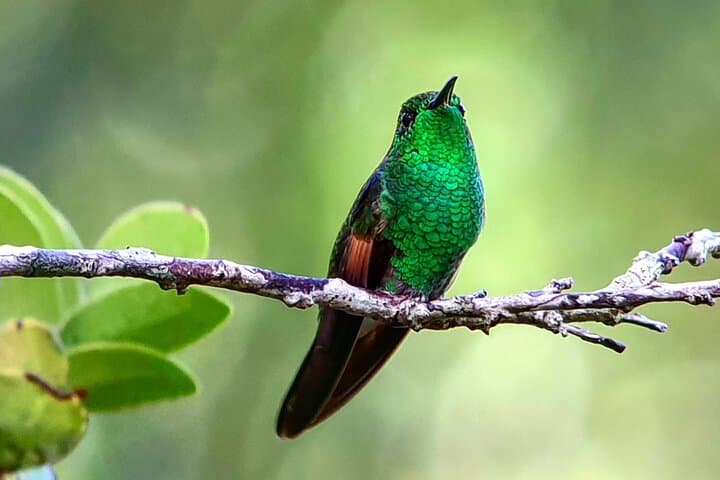
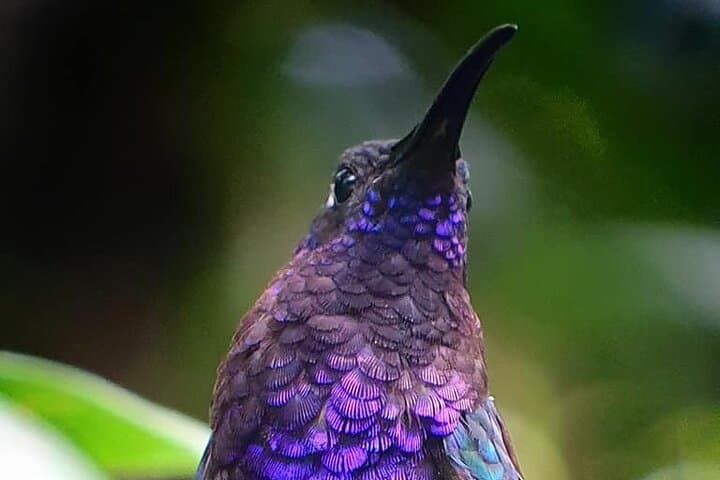
Expect uneven, often muddy trails with short, steep sections rather than long climbs. The guided walk typically lasts about 2.5 hours and includes a stop at the hummingbird garden where up to seven species may appear. Practical tips: go early for peak bird activity, wear a waterproof shell and grippy shoes, bring binoculars (optic gear may be provided), and keep voices low to increase wildlife sightings. Respect posted routes and carry out waste — the reserve is a living laboratory and relies on visitors to minimize impact.
easy.
2–3 hours.
Suitable for most fitness levels; involves walking on uneven ground with short slopes.
The guided walk is approximately 2.5 hours, including stops; plan for extra time at the hummingbird garden if you linger.
The operator lists wheelchair access and accessible transportation; contact the provider ahead to confirm which paths will be used and any assistance available.
Some rate options include the reserve entrance fee; check your booking details or select the option that specifies admission is covered.
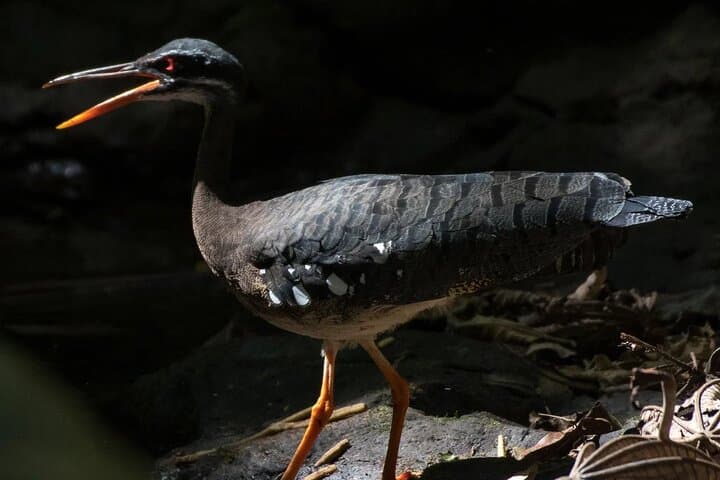
Expect hummingbirds, emerald toucanets, howler or spider monkeys occasionally, and with luck a Resplendent Quetzal; sightings are never guaranteed but are common on early walks.
The reserve was established in the early 1970s by conservation-minded locals and international supporters; it became a model for cloud-forest protection and research.
Monteverde relies on sustainable visitor practices and research funding; stay on trails and avoid disturbing wildlife to minimize impact.
Travel to Monteverde operates guided outdoor trips and adventures with an emphasis on safety, stewardship, and memorable experiences.
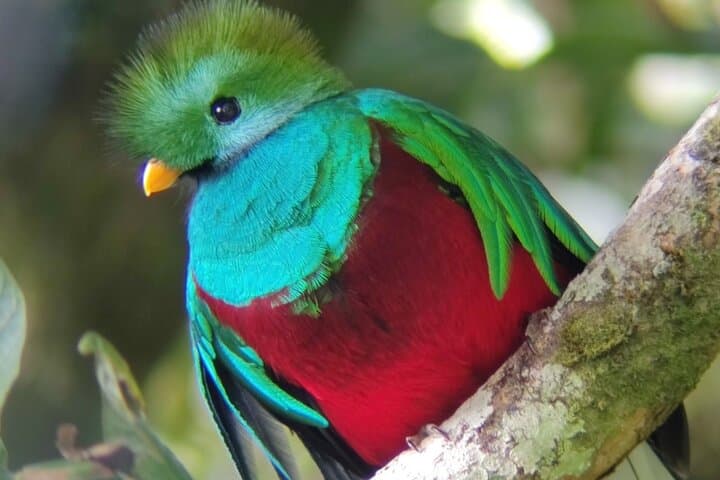
Mist hangs in the canopy as your group steps off the minibus and into a green world where clouds feel close enough to touch. Moss slicks the trunks, epiphytes drape branches like living quilts, and every step on the narrow path brings new calls — a high chirp from a hummingbird, the soft clack of a toucanet’s bill. The guide slows the pace, pointing to a Resplendent Quetzal silhouette or a Ficus strangulator whose roots have folded the earth.
Mist hangs in the canopy as your group steps off the minibus and into a green world where clouds feel close enough to touch. Moss slicks the trunks, epiphytes drape branches like living quilts, and every step on the narrow path brings new calls — a high chirp from a hummingbird, the soft clack of a toucanet’s bill. The guide slows the pace, pointing to a Resplendent Quetzal silhouette or a Ficus strangulator whose roots have folded the earth.
The Monteverde Biological Reserve, founded by local conservationists and supporters in the early 1970s, protects more than 5,000 hectares of cloud forest at roughly 1,400 meters elevation. Geologically, the range traps moisture from Pacific winds, creating persistent cloud cover that feeds an abundance of epiphytes and orchids. The nearby town of Santa Elena evolved from dairy and coffee roots into a community centered on nature tourism and scientific study; naturalist guides here are steeped in both local lore and species identification.
Expect uneven, often muddy trails with short, steep sections rather than long climbs. The guided walk typically lasts about 2.5 hours and includes a stop at the hummingbird garden where up to seven species may appear. Practical tips: go early for peak bird activity, wear a waterproof shell and grippy shoes, bring binoculars (optic gear may be provided), and keep voices low to increase wildlife sightings. Respect posted routes and carry out waste — the reserve is a living laboratory and relies on visitors to minimize impact.