THE ADVENTURE COLLECTIVE® · Independent discovery and booking for outdoor travel

Head inland from Puntarenas for an eight-hour immersion in mist, hanging bridges and a conservation-focused sloth sanctuary. This shore excursion blends cloud-forest hiking with guided wildlife viewing and a taste of local conservation history.
Head inland from Puntarenas for an eight-hour immersion in mist, hanging bridges and a conservation-focused sloth sanctuary. This shore excursion blends cloud-forest hiking with guided wildlife viewing and a taste of local conservation history.
The bus hums along the Pan-American as mist thickens and the world shrinks to fern fronds and dripping bromeliads. By the time guests step onto the first of six hanging bridges, the forest has a presence—fog that moves like a slow current, vines that reach and hold, and a canopy that seems to test your patience with every filtered shaft of light.
Verified experiences and guided adventures in the surrounding area.
Operated by GioTours · Monteverde, Puntarenas
The bus hums along the Pan-American as mist thickens and the world shrinks to fern fronds and dripping bromeliads. By the time guests step onto the first of six hanging bridges, the forest has a presence—fog that moves like a slow current, vines that reach and hold, and a canopy that seems to test your patience with every filtered shaft of light.
Monteverde’s cloud forest sits at roughly 1,200–1,600 meters elevation, formed where warm Pacific air rises, cools, and releases moisture. The area’s modern history includes Quaker families who arrived mid‑20th century and deliberately limited road development; those decisions helped preserve intact cloud forest habitat and a local culture still tied to small-scale dairy, coffee, and conservation.
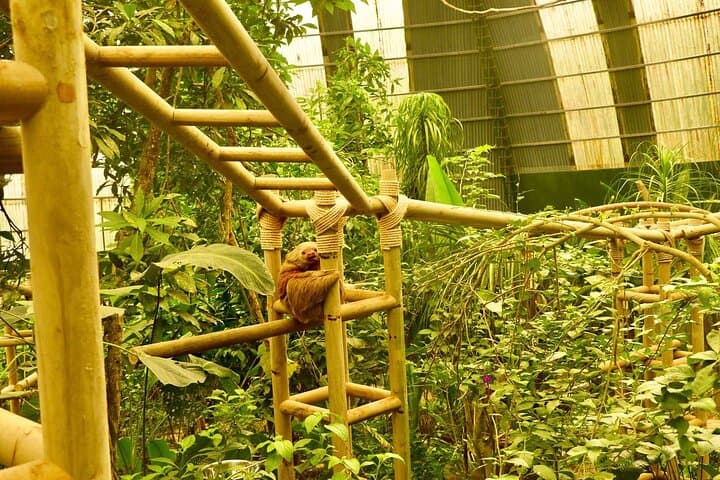
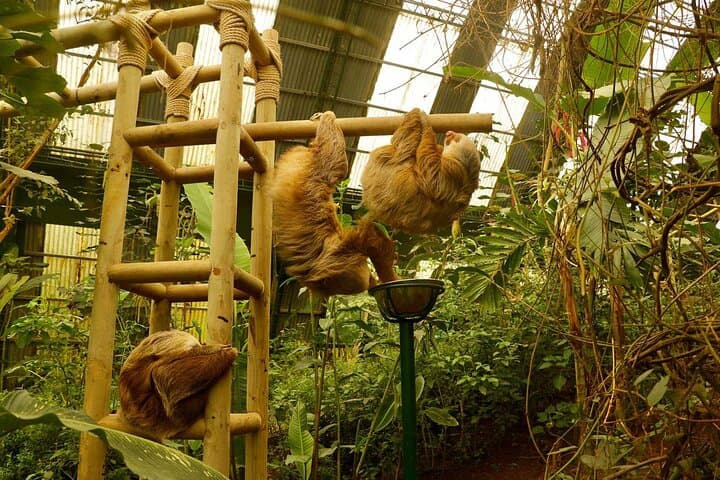
On the trail, expect uneven wooden planks, moss-slick roots, and viewpoints that open without warning. The hanging bridges give a bird’s-eye perspective on epiphytes and understory action; the sanctuary visit afterward frames the human role—rehabilitation, education, and slow-moving sloths observed at a respectful distance.
Practically: this is a full-day shore excursion (about eight hours) with moderate walking; guide commentary, lunch, bottled water, and port transfers are included. Wear sturdy shoes and quick-dry layers; rain is likely any month, so pack a hooded shell. Bring binoculars and a small daypack, and move quietly on the bridges—wildlife responds to hush. Cameras are welcome, but avoid flash around the sanctuary. The route rewards steady pacing: rich natural detail, conservation stories, and the rare chance to watch a sloth deliberate its next move.
moderate.
8 hours.
Moderate fitness required: able to walk for 90+ minutes on uneven, sometimes steep terrain and cross multiple bridges.
The full excursion runs about 8 hours door-to-door from port pickup to return; specific pickup times vary by cruise schedule.
Sloth sightings at the sanctuary are highly likely thanks to habituated rescue animals, but exact visibility depends on the animal’s movement and resting location.
Hikes are moderate: mostly short trails and bridge crossings rather than long summit climbs, but expect wet, uneven surfaces and some stairs.
Yes—this tour includes port pickup/drop-off, guided transport, bottled water and a Costa Rican lunch as listed in the inclusions.
Monteverde rose to prominence after Quaker settlers in the 1950s preserved local forest by limiting road development, which inadvertently protected important cloud-forest habitat.
The sanctuary and local reserves emphasize rehabilitation, responsible tourism and reforestation; visitors are asked to follow strict viewing rules to minimize wildlife disturbance.
GioTours operates guided outdoor trips and adventures with an emphasis on safety, stewardship, and memorable experiences.


The bus hums along the Pan-American as mist thickens and the world shrinks to fern fronds and dripping bromeliads. By the time guests step onto the first of six hanging bridges, the forest has a presence—fog that moves like a slow current, vines that reach and hold, and a canopy that seems to test your patience with every filtered shaft of light.
The bus hums along the Pan-American as mist thickens and the world shrinks to fern fronds and dripping bromeliads. By the time guests step onto the first of six hanging bridges, the forest has a presence—fog that moves like a slow current, vines that reach and hold, and a canopy that seems to test your patience with every filtered shaft of light.
Monteverde’s cloud forest sits at roughly 1,200–1,600 meters elevation, formed where warm Pacific air rises, cools, and releases moisture. The area’s modern history includes Quaker families who arrived mid‑20th century and deliberately limited road development; those decisions helped preserve intact cloud forest habitat and a local culture still tied to small-scale dairy, coffee, and conservation.
On the trail, expect uneven wooden planks, moss-slick roots, and viewpoints that open without warning. The hanging bridges give a bird’s-eye perspective on epiphytes and understory action; the sanctuary visit afterward frames the human role—rehabilitation, education, and slow-moving sloths observed at a respectful distance.
Practically: this is a full-day shore excursion (about eight hours) with moderate walking; guide commentary, lunch, bottled water, and port transfers are included. Wear sturdy shoes and quick-dry layers; rain is likely any month, so pack a hooded shell. Bring binoculars and a small daypack, and move quietly on the bridges—wildlife responds to hush. Cameras are welcome, but avoid flash around the sanctuary. The route rewards steady pacing: rich natural detail, conservation stories, and the rare chance to watch a sloth deliberate its next move.