THE ADVENTURE COLLECTIVE® · Independent discovery and booking for outdoor travel

A three‑hour guided walk through Monteverde Cloud Forest Reserve that highlights birds, epiphytes and the role of wild avocados in local ecology. Ideal for travellers who want close wildlife encounters with expert interpretation and a spotting scope.
A three‑hour guided walk through Monteverde Cloud Forest Reserve that highlights birds, epiphytes and the role of wild avocados in local ecology. Ideal for travellers who want close wildlife encounters with expert interpretation and a spotting scope.
Fog threads through moss-laden branches as the group steps off the main path, boots sinking into soft, leaf-strewn soil. The guide lifts a spotting scope and the forest leans in — high-canopied bromeliads glint, a resplendent quetzal perches like a bright punctuation, and an avocado tree hums with quiet traffic.
Verified experiences and guided adventures in the surrounding area.
Operated by Nasua Tours · Santa Elena, Puntarenas
Fog threads through moss-laden branches as the group steps off the main path, boots sinking into soft, leaf-strewn soil. The guide lifts a spotting scope and the forest leans in — high-canopied bromeliads glint, a resplendent quetzal perches like a bright punctuation, and an avocado tree hums with quiet traffic.
Monteverde’s cloud forest formed where Pacific and Caribbean weather converge, trapping moisture against volcanic slopes. The reserve, established in the 1970s, protects one of the world’s most biodiverse montane forests; epiphytes, orchids and mosses dominate the story written on every branch. Local conservation grew from community land purchases and continues to shape ecotourism here.
On this three‑hour natural history walk, expect close-up interpretation of plants and animals: the role of wild avocados as a seasonal food pulse, the forest’s vertical layering, and how the cloud layer drives microclimates. Guides use a professional spotting scope for distant birds and will often point out amphibians along shaded streams where currents dare you to listen for movement.
Practical notes: trails are narrow, often wet and uneven — plan for slow, observant walking rather than a fast hike. Morning departures increase chances of active birds; afternoons bring quieter understory life. Wear grippy shoes, bring a waterproof layer, insect repellent and a filled water bottle. Respect the reserve by staying on trails, keeping voices low and avoiding flash photography at wildlife sightings. With a knowledgeable guide and patient pace, the walk turns small moments — a calling bellbird, a clustered orchid — into a clear portrait of cloud‑forest life.
easy.
3 hours.
Suitable for most fitness levels; participants should be able to walk 2–4 miles on uneven, sometimes muddy trails at a relaxed pace.
The tour lasts about three hours and is rated easy — it’s a slow, interpretive walk on uneven, sometimes muddy trails rather than a steep hike.
Guides increase your chances by choosing active areas and times; sightings are common but never guaranteed — early mornings improve odds.
Yes; the pace and terrain are suitable for families and older visitors who can manage short stretches of uneven footing with occasional inclines.
Bring water, sturdy shoes, a rain jacket, insect repellent and personal binoculars if you prefer your own optics; the guide provides a professional spotting scope.
The Monteverde Reserve was formed in the early 1970s through community-led conservation efforts and has grown into a flagship cloud‑forest protection area.
The cloud forest is highly sensitive to trampling and climate shifts—stay on trails, avoid single-use plastics and follow guide instructions to limit impact.
Nasua Tours operates guided outdoor trips and adventures with an emphasis on safety, stewardship, and memorable experiences.
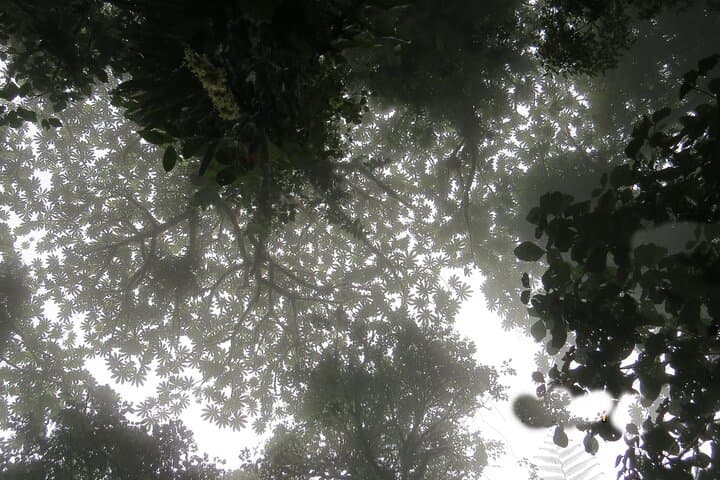
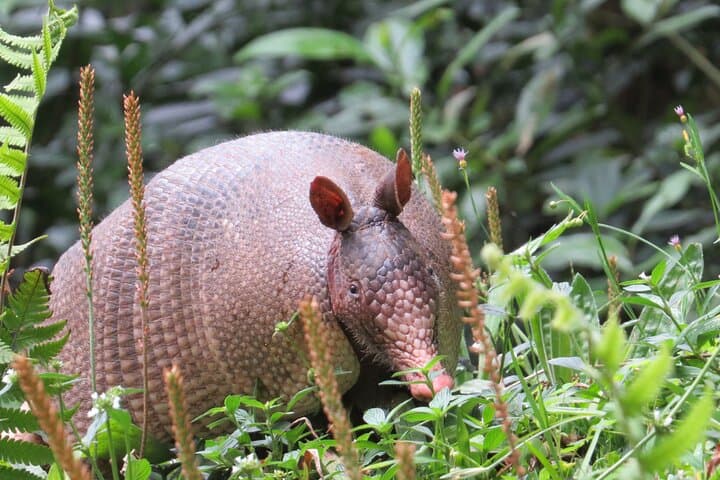
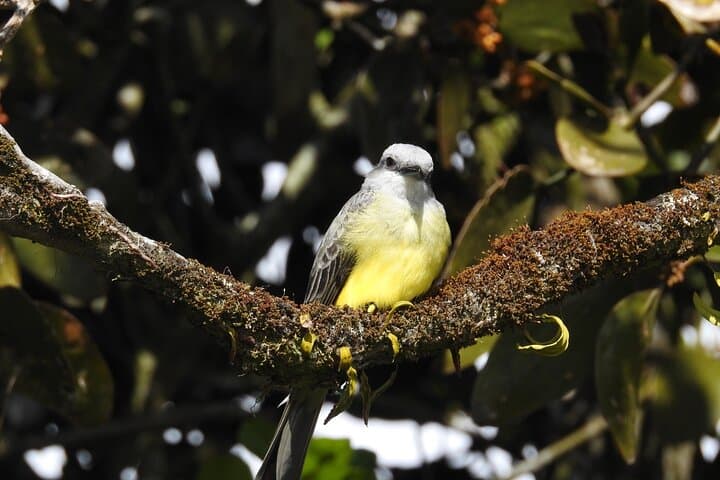
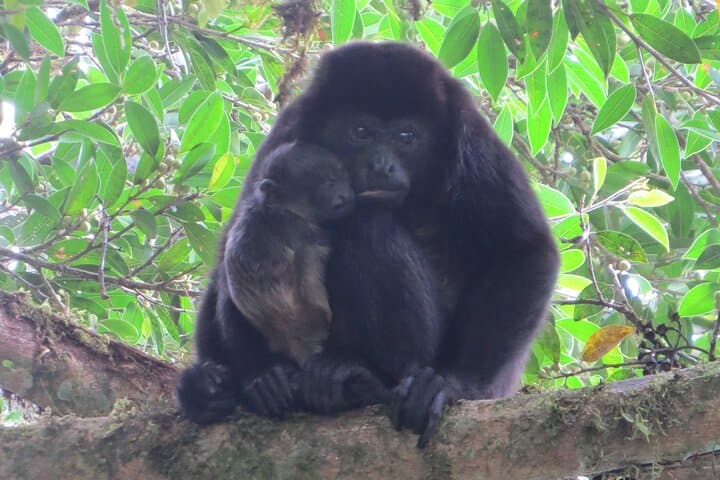
Fog threads through moss-laden branches as the group steps off the main path, boots sinking into soft, leaf-strewn soil. The guide lifts a spotting scope and the forest leans in — high-canopied bromeliads glint, a resplendent quetzal perches like a bright punctuation, and an avocado tree hums with quiet traffic.
Fog threads through moss-laden branches as the group steps off the main path, boots sinking into soft, leaf-strewn soil. The guide lifts a spotting scope and the forest leans in — high-canopied bromeliads glint, a resplendent quetzal perches like a bright punctuation, and an avocado tree hums with quiet traffic.
Monteverde’s cloud forest formed where Pacific and Caribbean weather converge, trapping moisture against volcanic slopes. The reserve, established in the 1970s, protects one of the world’s most biodiverse montane forests; epiphytes, orchids and mosses dominate the story written on every branch. Local conservation grew from community land purchases and continues to shape ecotourism here.
On this three‑hour natural history walk, expect close-up interpretation of plants and animals: the role of wild avocados as a seasonal food pulse, the forest’s vertical layering, and how the cloud layer drives microclimates. Guides use a professional spotting scope for distant birds and will often point out amphibians along shaded streams where currents dare you to listen for movement.
Practical notes: trails are narrow, often wet and uneven — plan for slow, observant walking rather than a fast hike. Morning departures increase chances of active birds; afternoons bring quieter understory life. Wear grippy shoes, bring a waterproof layer, insect repellent and a filled water bottle. Respect the reserve by staying on trails, keeping voices low and avoiding flash photography at wildlife sightings. With a knowledgeable guide and patient pace, the walk turns small moments — a calling bellbird, a clustered orchid — into a clear portrait of cloud‑forest life.