THE ADVENTURE COLLECTIVE® · Independent discovery and booking for outdoor travel

Walk the treetops of Monteverde’s cloud forest with a local naturalist and traverse suspension bridges that place you among orchids, toucans and quetzals. This guided 2–2.5 hour tour blends birding, botany and local history for an intimate canopy experience.
Walk the treetops of Monteverde’s cloud forest with a local naturalist and traverse suspension bridges that place you among orchids, toucans and quetzals. This guided 2–2.5 hour tour blends birding, botany and local history for an intimate canopy experience.
Fog tightens like a curtain as you step onto the first suspension bridge, the forest canopy opening above in layers of moss and bromeliads. The air is cool, fragrant with wet earth and orchid scent; birds call from a few meters away, then vanish into leaves. Walking the hanging bridges feels like moving through a vertical neighborhood—each span offering a different vantage of trunks, vines and the living architecture of a cloud forest.
Verified experiences and guided adventures in the surrounding area.
Operated by Johnny loves nature · Monteverde, Puntarenas
Fog tightens like a curtain as you step onto the first suspension bridge, the forest canopy opening above in layers of moss and bromeliads. The air is cool, fragrant with wet earth and orchid scent; birds call from a few meters away, then vanish into leaves. Walking the hanging bridges feels like moving through a vertical neighborhood—each span offering a different vantage of trunks, vines and the living architecture of a cloud forest.
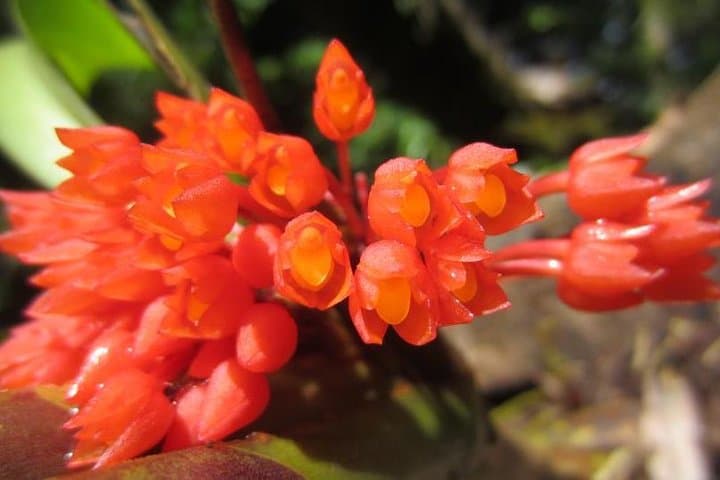
Geology here is young volcanic highland carved into steep ridges that trap moisture; that humidity defines the cloud forest’s ecology and supports more than 400 orchid species and dozens of endemic birds. Culturally, Monteverde grew from mid-20th-century settlers and a later wave of conservation-minded communities that protected these slopes, giving rise to reserves and canopy trails popular with naturalists.
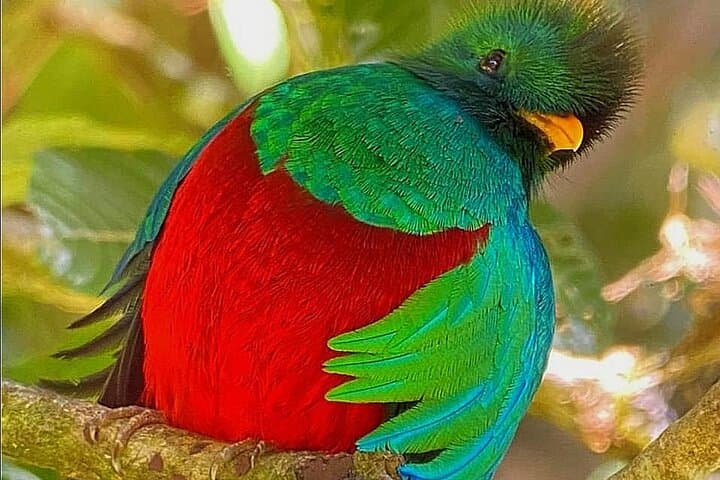
Expect a guide fluent in bird and plant ID who will point out quetzals, toucans, epiphytes and the subtle differences between cloud and lowland rainforests. The tour mixes close-range observation with natural history: why the canopy collects fog, how orchids time blooms, and local stories from descendants of early pioneers.
Practical guidance: wear grippy, waterproof footwear and a breathable rain shell; bridges can be wet and slippery. Bring a compact pair of binoculars, a camera with a zoom lens, and a small daypack with water and insect repellent. The walk is moderate—roughly 2–2.5 hours—with short bridge crossings and some uneven boardwalks. Morning visits are best for bird activity and clearer views; afternoons tend to thicken with mist. Respect trail closures and avoid touching plants—these ecosystems are fragile and recover slowly.
moderate.
2–2.5 hours.
Moderate fitness—able to walk uneven terrain and climb short steps; not suitable for those with serious mobility limits.
Some booking options include the Selvatura Park entrance; confirm at booking—if not included you’ll pay the park fee on arrival.
Yes—children can join but must be supervised; age limits vary, and infants should remain on laps where required.
Certain sections and transport options are wheelchair accessible, but suspension bridges have stairs and may not be fully suitable for all mobility devices.
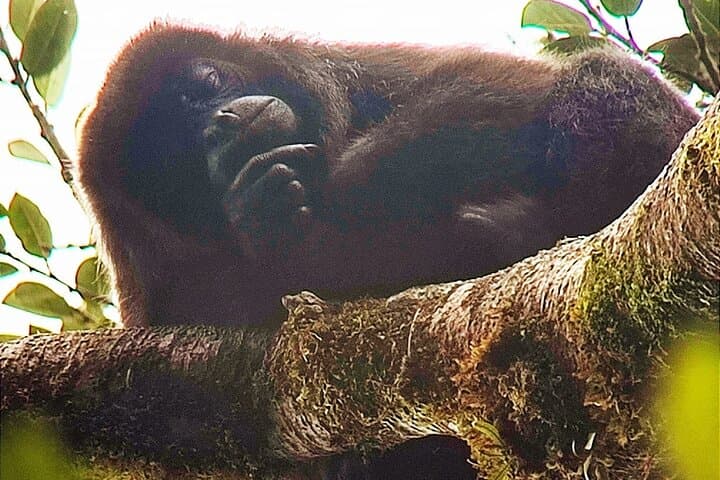
Common sightings include resident and migratory birds like quetzals and tanagers, plus frogs and abundant epiphytes; wildlife sightings can’t be guaranteed.
Monteverde’s conservation movement grew from mid-20th-century settlers and later conservationists who helped establish private reserves and public awareness for cloud forest protection.
The cloud forest is sensitive to trampling and collection of plants—stay on trails, avoid touching epiphytes, and follow guide instructions to minimize impact.
Johnny loves nature operates guided outdoor trips and adventures with an emphasis on safety, stewardship, and memorable experiences.
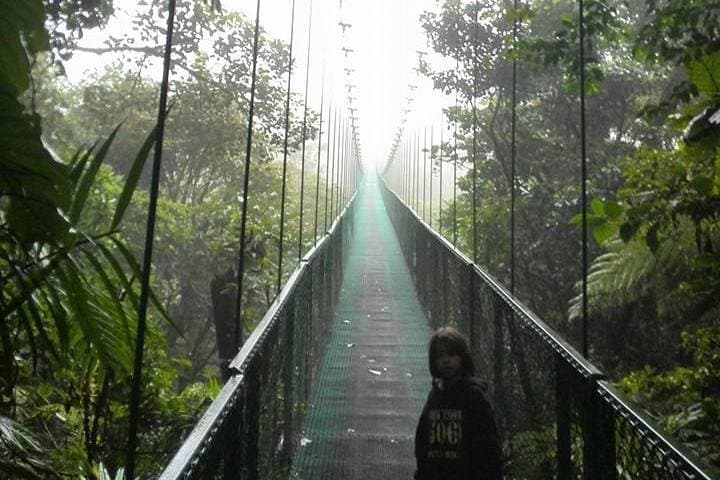
Fog tightens like a curtain as you step onto the first suspension bridge, the forest canopy opening above in layers of moss and bromeliads. The air is cool, fragrant with wet earth and orchid scent; birds call from a few meters away, then vanish into leaves. Walking the hanging bridges feels like moving through a vertical neighborhood—each span offering a different vantage of trunks, vines and the living architecture of a cloud forest.
Fog tightens like a curtain as you step onto the first suspension bridge, the forest canopy opening above in layers of moss and bromeliads. The air is cool, fragrant with wet earth and orchid scent; birds call from a few meters away, then vanish into leaves. Walking the hanging bridges feels like moving through a vertical neighborhood—each span offering a different vantage of trunks, vines and the living architecture of a cloud forest.
Geology here is young volcanic highland carved into steep ridges that trap moisture; that humidity defines the cloud forest’s ecology and supports more than 400 orchid species and dozens of endemic birds. Culturally, Monteverde grew from mid-20th-century settlers and a later wave of conservation-minded communities that protected these slopes, giving rise to reserves and canopy trails popular with naturalists.
Expect a guide fluent in bird and plant ID who will point out quetzals, toucans, epiphytes and the subtle differences between cloud and lowland rainforests. The tour mixes close-range observation with natural history: why the canopy collects fog, how orchids time blooms, and local stories from descendants of early pioneers.
Practical guidance: wear grippy, waterproof footwear and a breathable rain shell; bridges can be wet and slippery. Bring a compact pair of binoculars, a camera with a zoom lens, and a small daypack with water and insect repellent. The walk is moderate—roughly 2–2.5 hours—with short bridge crossings and some uneven boardwalks. Morning visits are best for bird activity and clearer views; afternoons tend to thicken with mist. Respect trail closures and avoid touching plants—these ecosystems are fragile and recover slowly.