THE ADVENTURE COLLECTIVE® · Independent discovery and booking for outdoor travel

Walk high among Monteverde’s cloud forest treetops on a guided hanging-bridges tour that showcases endemic birds, moss-draped trees, and the distinct climate of a cloud forest. Practical tips on timing, gear, and what to expect on a 2.5-hour naturalist-led walk.
Walk high among Monteverde’s cloud forest treetops on a guided hanging-bridges tour that showcases endemic birds, moss-draped trees, and the distinct climate of a cloud forest. Practical tips on timing, gear, and what to expect on a 2.5-hour naturalist-led walk.
Mist curls through moss-draped branches as you step onto the first hanging bridge — the forest canopy breathing around you, orchids and ferns reaching like curious hands. The walk moves like a slow reveal: low clouds lift, epiphytes glisten, and the treetops open to a stitched panorama of rolling ridges and coffee farms below.
Verified experiences and guided adventures in the surrounding area.
Operated by monteverde nature guided tours · Santa Elena, Puntarenas
Mist curls through moss-draped branches as you step onto the first hanging bridge — the forest canopy breathing around you, orchids and ferns reaching like curious hands. The walk moves like a slow reveal: low clouds lift, epiphytes glisten, and the treetops open to a stitched panorama of rolling ridges and coffee farms below.
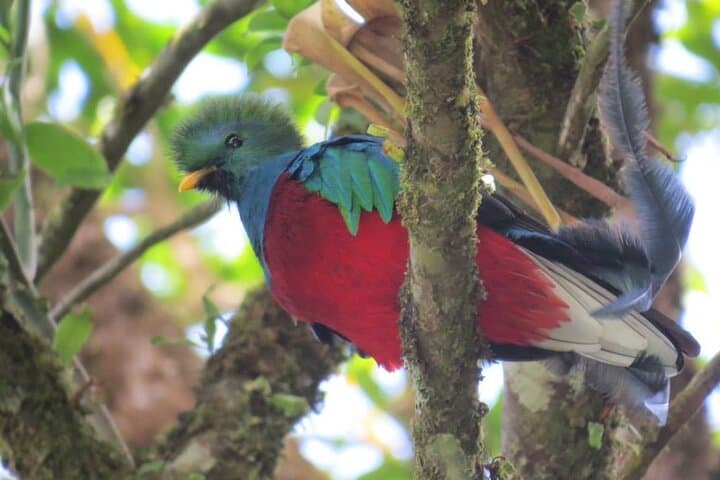
Monteverde sits on a volcanic plateau where elevation (roughly 1,300–1,650 m) captures moisture from the Caribbean trade winds, producing the persistent fog that defines a cloud forest. The area’s human history ranges from indigenous use to mid-20th-century settlers and Quaker communities who shaped local conservation efforts; today trails and bridges balance tourism with protecting endemic species such as the resplendent quetzal.
Geology is subtle but present: old volcanic soils support deep organic layers and steep, often uneven terrain intersected by small streams that push through the understory. Guides point out distinctive mosses, strangler figs, and the difference between rain and cloud forest microclimates — cooler temperatures, higher humidity, and more epiphytes.
Practical guidance: tours typically run about 2.5 hours and require moderate fitness; expect damp conditions year-round and slick boardwalks after rain. Wear grippy shoes, bring a light rain shell, and carry water and binoculars for bird activity at dawn. If you want quieter wildlife encounters, book the earliest slot; mid-morning draws more visitors. The tour usually does not include reserve entrance unless specified, so confirm pricing and pickup details in advance.
moderate.
2–3 hours.
Moderate—comfortable walking on uneven, sometimes steep trails for up to 2.5 hours
Not always—some options include entrance while others cover only the guiding service; confirm at booking and budget separately for reserve fees if needed.
It’s a moderate 2–3 hour walk with short inclines and uneven footing; a basic level of fitness and sure-footed shoes are sufficient.
Bridges are maintained for public use but can sway; travelers with mobility or heart issues should consult the operator—children should be supervised at all times.
Early-morning tours offer the best chance to see birds (including quetzals), tree frogs, and small mammals; sightings aren’t guaranteed but guides increase your odds.
Monteverde’s conservation roots include mid-20th-century settlers and local initiatives that helped establish biological reserves protecting unique cloud forest ecosystems.
Visitor numbers are managed on many trails and guides emphasize staying on paths to protect fragile epiphytes and reduce erosion; support local conservation fees when available.
monteverde nature guided tours operates guided outdoor trips and adventures with an emphasis on safety, stewardship, and memorable experiences.
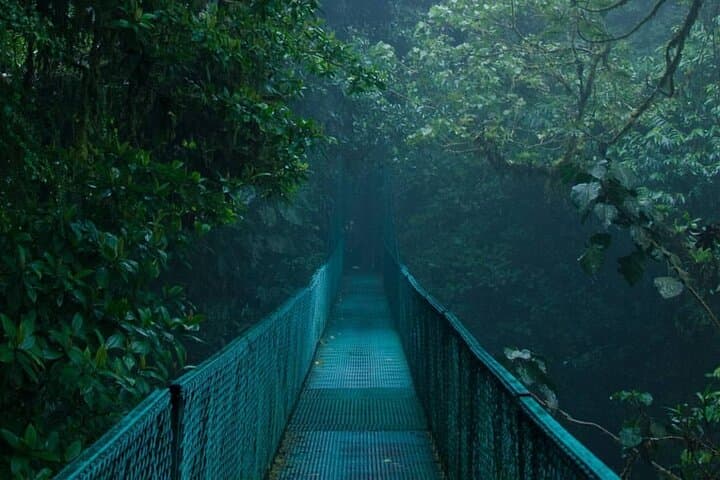
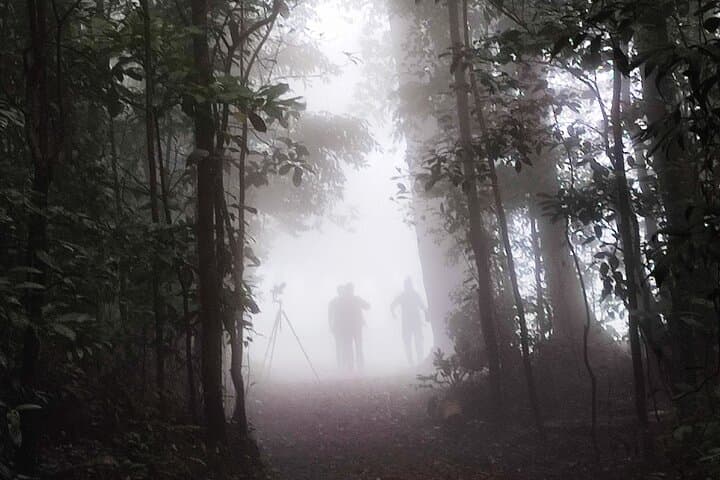

Mist curls through moss-draped branches as you step onto the first hanging bridge — the forest canopy breathing around you, orchids and ferns reaching like curious hands. The walk moves like a slow reveal: low clouds lift, epiphytes glisten, and the treetops open to a stitched panorama of rolling ridges and coffee farms below.
Mist curls through moss-draped branches as you step onto the first hanging bridge — the forest canopy breathing around you, orchids and ferns reaching like curious hands. The walk moves like a slow reveal: low clouds lift, epiphytes glisten, and the treetops open to a stitched panorama of rolling ridges and coffee farms below.
Monteverde sits on a volcanic plateau where elevation (roughly 1,300–1,650 m) captures moisture from the Caribbean trade winds, producing the persistent fog that defines a cloud forest. The area’s human history ranges from indigenous use to mid-20th-century settlers and Quaker communities who shaped local conservation efforts; today trails and bridges balance tourism with protecting endemic species such as the resplendent quetzal.
Geology is subtle but present: old volcanic soils support deep organic layers and steep, often uneven terrain intersected by small streams that push through the understory. Guides point out distinctive mosses, strangler figs, and the difference between rain and cloud forest microclimates — cooler temperatures, higher humidity, and more epiphytes.
Practical guidance: tours typically run about 2.5 hours and require moderate fitness; expect damp conditions year-round and slick boardwalks after rain. Wear grippy shoes, bring a light rain shell, and carry water and binoculars for bird activity at dawn. If you want quieter wildlife encounters, book the earliest slot; mid-morning draws more visitors. The tour usually does not include reserve entrance unless specified, so confirm pricing and pickup details in advance.