THE ADVENTURE COLLECTIVE® · Independent discovery and booking for outdoor travel

Walk into the mist of Monteverde’s cloud forest with an expert guide on a focused two-hour tour. Expect suspension bridges, close-up encounters with endemic flora and fauna, and practical guidance for making the most of this high-elevation ecosystem.
Walk into the mist of Monteverde’s cloud forest with an expert guide on a focused two-hour tour. Expect suspension bridges, close-up encounters with endemic flora and fauna, and practical guidance for making the most of this high-elevation ecosystem.
Fog threads through trunks and softens every sound as you step from a gravel parking area onto a narrow trail in Monteverde. The forest seems to breathe around you—moss swallowing footsteps, epiphytes hanging like green chandeliers, and distant calls that could be quetzal or bellbird daring you to look up. Over two hours an expert guide maps species and stories, leading across small suspension bridges where mist skims your shoulders and the canopy opens into sudden, luminous gaps.
Verified experiences and guided adventures in the surrounding area.
Operated by Imperatours Monteverde · Santa Elena, Puntarenas
Fog threads through trunks and softens every sound as you step from a gravel parking area onto a narrow trail in Monteverde. The forest seems to breathe around you—moss swallowing footsteps, epiphytes hanging like green chandeliers, and distant calls that could be quetzal or bellbird daring you to look up. Over two hours an expert guide maps species and stories, leading across small suspension bridges where mist skims your shoulders and the canopy opens into sudden, luminous gaps.
This reserve sits at roughly 1,400–1,600 meters elevation on Costa Rica’s continental divide, formed by volcanic uplift and persistent moisture pulled inland by trade winds. Quaker settlers conserved much of the tract in the mid-20th century; today the area preserves over 2,000 plant species and has long drawn scientists and visitors for its unique cloud-forest ecology.
Culturally, Monteverde blends agricultural roots with a growing conservation economy—local guides mix natural history with notes on sustainable coffee and reforestation efforts.
Practical guidance: the guided loop is a steady, low-impact walk, often on wet, uneven ground with short inclines—expect 1.5–3 km of trail over two hours. Wear grippy shoes, bring a breathable rain layer and a small daypack with water and binoculars. Arrive 20 minutes early for check-in; the fog can change visibility fast, so mornings offer the best wildlife activity. Follow your guide, stay on marked paths to protect fragile understory, and silence phones for better listening—this is a tour designed to show the forest’s hidden, living systems rather than a fast-paced trek.
easy.
2 hours.
Light walking on uneven forest trails; suitable for most fitness levels but not recommended for people with serious cardiovascular issues.
The guided experience runs about two hours on mostly easy, well-marked trails with short inclines; expect some wet and uneven sections but no technical climbing.
Yes—this tour is rated physically easy and allows strollers in some sections, but it’s not recommended for people with serious heart problems; children should be supervised on bridges.
Early morning is best for bird activity and clearer visibility; afternoons bring more fog and a higher chance of rain.
Follow the guide’s instructions at check-in—your booking will indicate whether a park entrance ticket is provided on-site or needs to be purchased separately; arrive 20 minutes early to sort entry if required.
Monteverde’s protected forests were largely preserved by Quaker settlers and local conservation efforts beginning in the 1950s, creating a global research hub for cloud-forest ecology.
Cloud forests are sensitive to climate shifts and visitor impact; stick to trails, follow guide instructions, and support local conservation fees that fund reforestation and research.
Imperatours Monteverde operates guided outdoor trips and adventures with an emphasis on safety, stewardship, and memorable experiences.



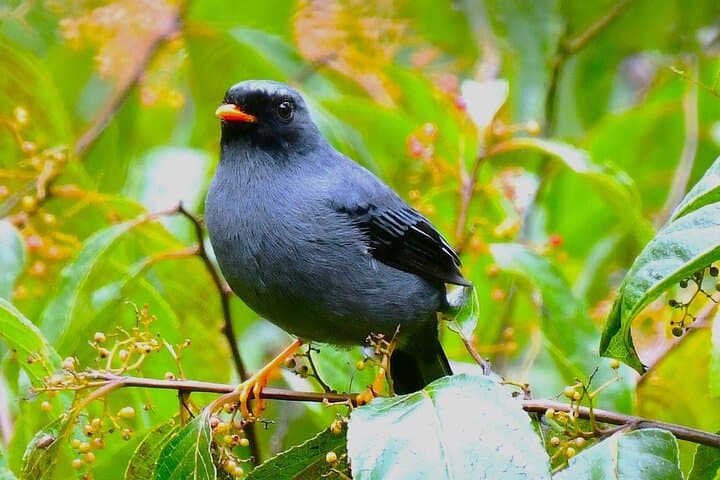
Fog threads through trunks and softens every sound as you step from a gravel parking area onto a narrow trail in Monteverde. The forest seems to breathe around you—moss swallowing footsteps, epiphytes hanging like green chandeliers, and distant calls that could be quetzal or bellbird daring you to look up. Over two hours an expert guide maps species and stories, leading across small suspension bridges where mist skims your shoulders and the canopy opens into sudden, luminous gaps.
Fog threads through trunks and softens every sound as you step from a gravel parking area onto a narrow trail in Monteverde. The forest seems to breathe around you—moss swallowing footsteps, epiphytes hanging like green chandeliers, and distant calls that could be quetzal or bellbird daring you to look up. Over two hours an expert guide maps species and stories, leading across small suspension bridges where mist skims your shoulders and the canopy opens into sudden, luminous gaps.
This reserve sits at roughly 1,400–1,600 meters elevation on Costa Rica’s continental divide, formed by volcanic uplift and persistent moisture pulled inland by trade winds. Quaker settlers conserved much of the tract in the mid-20th century; today the area preserves over 2,000 plant species and has long drawn scientists and visitors for its unique cloud-forest ecology.
Culturally, Monteverde blends agricultural roots with a growing conservation economy—local guides mix natural history with notes on sustainable coffee and reforestation efforts.
Practical guidance: the guided loop is a steady, low-impact walk, often on wet, uneven ground with short inclines—expect 1.5–3 km of trail over two hours. Wear grippy shoes, bring a breathable rain layer and a small daypack with water and binoculars. Arrive 20 minutes early for check-in; the fog can change visibility fast, so mornings offer the best wildlife activity. Follow your guide, stay on marked paths to protect fragile understory, and silence phones for better listening—this is a tour designed to show the forest’s hidden, living systems rather than a fast-paced trek.