THE ADVENTURE COLLECTIVE® · Independent discovery and booking for outdoor travel

Walk through drifting mist and moss-draped canopies on a three-hour guided tour of Monteverde Cloud Forest Reserve. Expect focused wildlife spotting, grounded natural history, and practical trail tips for a comfortable visit.
Walk through drifting mist and moss-draped canopies on a three-hour guided tour of Monteverde Cloud Forest Reserve. Expect focused wildlife spotting, grounded natural history, and practical trail tips for a comfortable visit.
You step off the trail and the forest closes like a living room — moss-draped trunks leaning together, vapor drifting through epiphytes, and a chorus of distant calls that seems to come from every layer at once.
Verified experiences and guided adventures in the surrounding area.
Operated by Dennis Fernandez · Santa Elena, Puntarenas
You step off the trail and the forest closes like a living room — moss-draped trunks leaning together, vapor drifting through epiphytes, and a chorus of distant calls that seems to come from every layer at once.
The Monteverde Cloud Forest Reserve sits on the spine of Costa Rica’s Tilarán Mountains, where Pacific and Caribbean weather collide to create near-constant mist. Established in the 1970s by conservation-minded settlers and scientists, the reserve protects steep volcanic slopes, rich humus soils and microclimates that support high levels of endemism. Local communities around Santa Elena have long combined coffee farming with ecotourism; guides here often blend natural history with culture, pointing out how land use has shaped the forest edge.
Geologically, the area is a collage of uplifted volcanic rock and deeply incisioned stream channels; trails rise and fall on roots and compacted volcanic soil. Expect uneven ground, frequent wet patches and bridges over gullies. Wildlife is deceptively visible — resplendent quetzal flashes at dawn, while howler calls and the bright silhouette of toucans are common midday sights.
Practically, the tour focuses on environmental interpretation more than a strenuous trek: three hours of guided walking, field guides included, with stops for focused animal and plant observation. Buy park entry for your tour time and wear grippy shoes and a quiet voice. Bring binoculars, a lightweight rain layer, and water — the forest will test your gear more than your legs. The guide’s job is to find the small, revealing details that make each visit unique.
easy.
3 hours.
Suitable for most fitness levels; expect uneven terrain and short inclines but no technical scrambling.
Yes—guides require that you purchase a timed park entry for the specific tour slot in advance; your guide will confirm details before the tour.
The tour is rated easy: moderate walking on uneven, sometimes muddy trails with short elevation changes; it’s suitable for most active travelers.
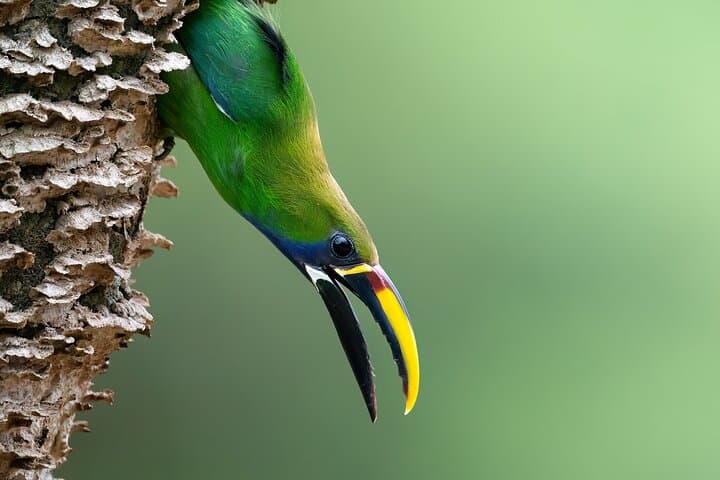
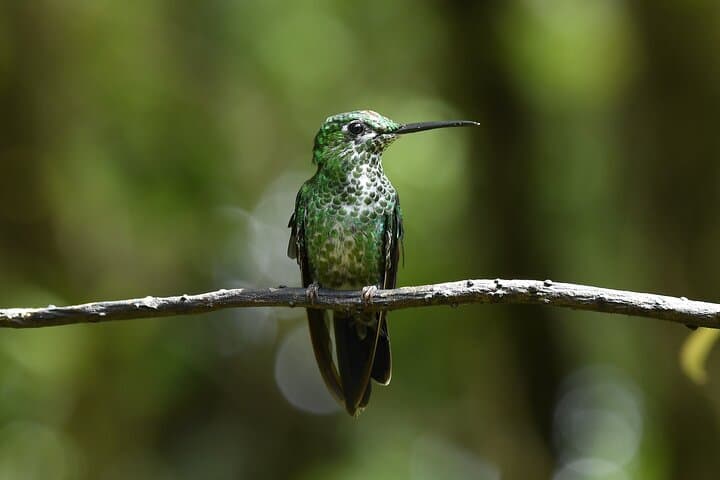
Common sightings include toucans, hummingbirds, howler monkeys and, with luck, resplendent quetzals or other canopy specialists—sightings aren’t guaranteed.
The tour notes transportation from the reception area to the main entrance is provided; check the provider’s pickup details when booking.
Monteverde’s reserve grew from community-led conservation in the 1970s and helped establish Costa Rica’s ecotourism model, protecting cloud-forest habitat across steep volcanic slopes.
The reserve emphasizes low-impact visitation—stay on signed trails, avoid flash photography near nesting sites, and pack out waste to protect fragile epiphytes.
Dennis Fernandez operates guided outdoor trips and adventures with an emphasis on safety, stewardship, and memorable experiences.


You step off the trail and the forest closes like a living room — moss-draped trunks leaning together, vapor drifting through epiphytes, and a chorus of distant calls that seems to come from every layer at once.
You step off the trail and the forest closes like a living room — moss-draped trunks leaning together, vapor drifting through epiphytes, and a chorus of distant calls that seems to come from every layer at once.
The Monteverde Cloud Forest Reserve sits on the spine of Costa Rica’s Tilarán Mountains, where Pacific and Caribbean weather collide to create near-constant mist. Established in the 1970s by conservation-minded settlers and scientists, the reserve protects steep volcanic slopes, rich humus soils and microclimates that support high levels of endemism. Local communities around Santa Elena have long combined coffee farming with ecotourism; guides here often blend natural history with culture, pointing out how land use has shaped the forest edge.
Geologically, the area is a collage of uplifted volcanic rock and deeply incisioned stream channels; trails rise and fall on roots and compacted volcanic soil. Expect uneven ground, frequent wet patches and bridges over gullies. Wildlife is deceptively visible — resplendent quetzal flashes at dawn, while howler calls and the bright silhouette of toucans are common midday sights.
Practically, the tour focuses on environmental interpretation more than a strenuous trek: three hours of guided walking, field guides included, with stops for focused animal and plant observation. Buy park entry for your tour time and wear grippy shoes and a quiet voice. Bring binoculars, a lightweight rain layer, and water — the forest will test your gear more than your legs. The guide’s job is to find the small, revealing details that make each visit unique.