THE ADVENTURE COLLECTIVE® · Independent discovery and booking for outdoor travel

Head out of Monterey Harbor on a smaller, more personal whale-watch vessel where marine naturalists point out whales, dolphins, and seabirds attracted to the deep canyon of Monterey Bay. This 3-hour afternoon cruise emphasizes up-close viewing, education, and responsible wildlife encounters.
Head out of Monterey Harbor on a smaller, more personal whale-watch vessel where marine naturalists point out whales, dolphins, and seabirds attracted to the deep canyon of Monterey Bay. This 3-hour afternoon cruise emphasizes up-close viewing, education, and responsible wildlife encounters.
The harbor pulls away under a low winter sun and the bay opens like a wide, restless room. Waves pick up the boat’s bow and spray rimmed in salt; gulls argue overhead while the captain thumbs the throttle toward deeper water. On a smaller vessel, the deck feels immediate: the ocean moves, the air sharpens, and every dip could be a blow or a tail.
Verified experiences and guided adventures in the surrounding area.
Operated by Discovery Whale Watch · Monterey, California
The harbor pulls away under a low winter sun and the bay opens like a wide, restless room. Waves pick up the boat’s bow and spray rimmed in salt; gulls argue overhead while the captain thumbs the throttle toward deeper water. On a smaller vessel, the deck feels immediate: the ocean moves, the air sharpens, and every dip could be a blow or a tail.
Monterey Bay has been a working seascape for centuries — from Ohlone harvesting to the sardine fisheries of Cannery Row, to today’s research centered at the Monterey Bay Aquarium. Geologically the bay is a deep submarine canyon carved by ancient currents; that canyon funnels nutrients and concentrates plankton, which in turn draws whales, dolphins, and seabirds in large numbers.
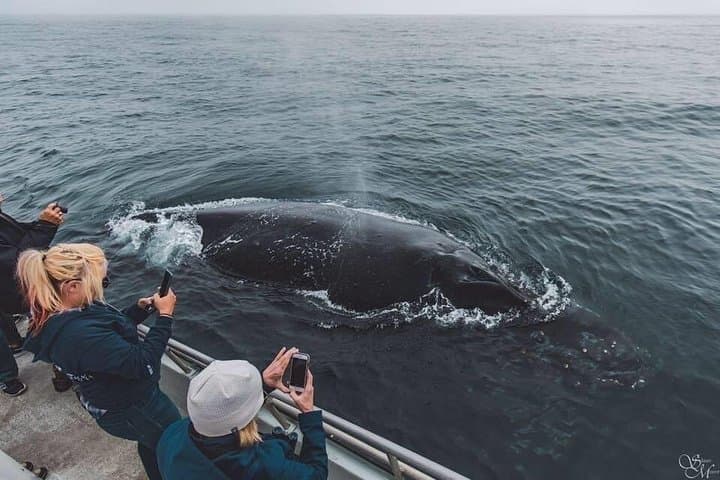
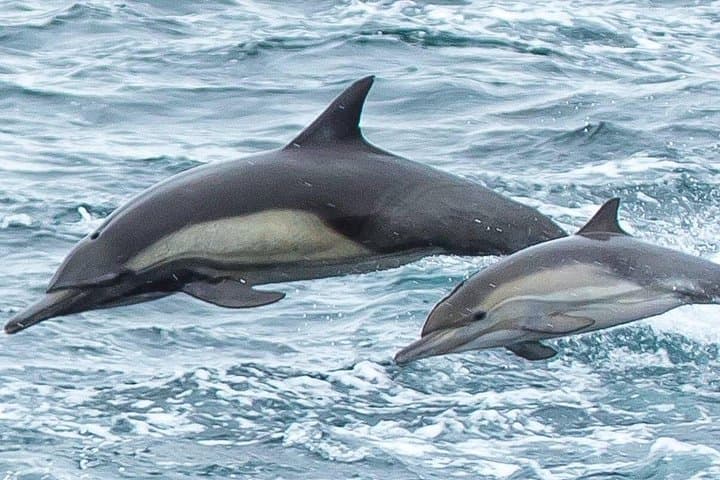
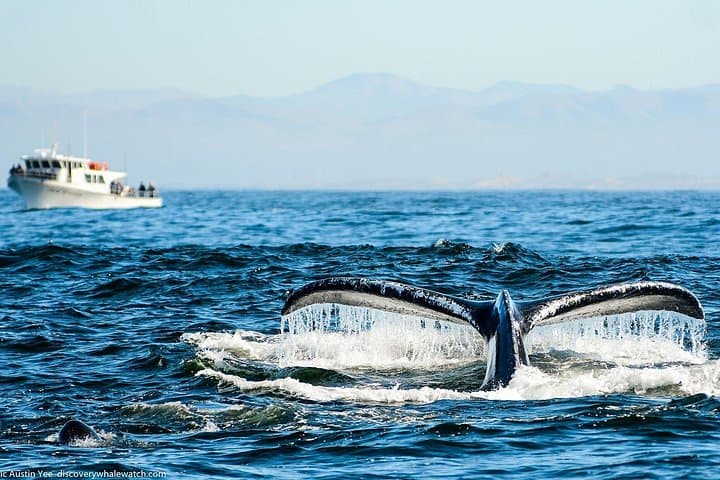
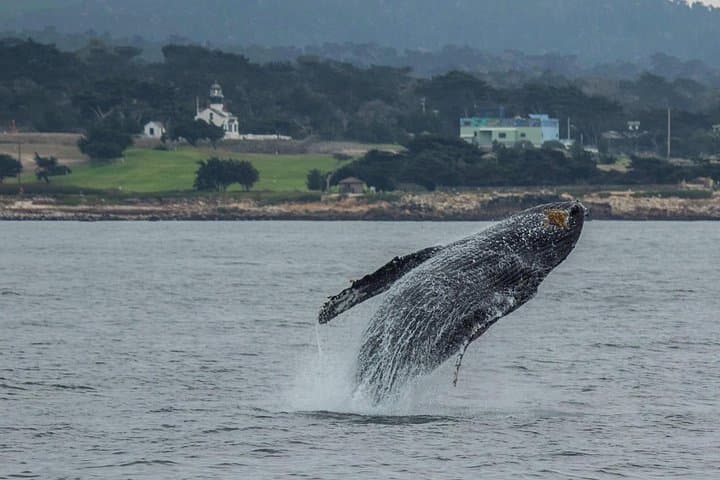
Expect to see humpback and blue whales in season, pods of common and Pacific white-sided dolphins, and curious sea birds. Naturalists aboard often point out identifying behaviors and explain the sanctuary protections that regulate whale watching here.
Practicalities: this is a 3-hour afternoon cruise leaving from Monterey Harbor. Check-in is 30–45 minutes beforehand; vessels are intentionally smaller for better viewing and interaction with crew experts. Dress in warm, windproof layers and bring binoculars and motion-sickness prevention if you’re sensitive. Restrooms are onboard and light refreshments like coffee are usually available.
Timing matters—calm afternoons are best for photo clarity, while morning light and evening sea states change animal behavior. Respect distance guidelines to avoid stressing wildlife, and plan extra time for parking and coastal traffic. The bay’s capricious weather rewards flexibility and a patient eye.
moderate.
3 hours.
Moderate — able to stand and move on a rocking boat for several hours; basic mobility required for boarding
You can expect humpback and blue whales seasonally, plus dolphins, porpoises, sea birds and occasionally gray whales or transient orcas depending on time of year.
Yes—infants must sit on an adult’s lap; the vessels are family-friendly but parents should prepare for cold, wind, and the possibility of motion sickness.
Yes, there are restrooms aboard the vessel as noted in the tour inclusions.
The operator may cancel for bad weather or insufficient travelers; cancel at least 24 hours in advance for a full refund per the policy.
Monterey’s waterfront evolved from indigenous harvest sites to a 20th-century sardine industry hub; today the bay is a center for marine research and conservation.
Monterey Bay lies within the federally designated Monterey Bay National Marine Sanctuary—operators follow responsible wildlife viewing guidelines to minimize disturbance.
Discovery Whale Watch operates guided outdoor trips and adventures with an emphasis on safety, stewardship, and memorable experiences.
The harbor pulls away under a low winter sun and the bay opens like a wide, restless room. Waves pick up the boat’s bow and spray rimmed in salt; gulls argue overhead while the captain thumbs the throttle toward deeper water. On a smaller vessel, the deck feels immediate: the ocean moves, the air sharpens, and every dip could be a blow or a tail.
The harbor pulls away under a low winter sun and the bay opens like a wide, restless room. Waves pick up the boat’s bow and spray rimmed in salt; gulls argue overhead while the captain thumbs the throttle toward deeper water. On a smaller vessel, the deck feels immediate: the ocean moves, the air sharpens, and every dip could be a blow or a tail.
Monterey Bay has been a working seascape for centuries — from Ohlone harvesting to the sardine fisheries of Cannery Row, to today’s research centered at the Monterey Bay Aquarium. Geologically the bay is a deep submarine canyon carved by ancient currents; that canyon funnels nutrients and concentrates plankton, which in turn draws whales, dolphins, and seabirds in large numbers.
Expect to see humpback and blue whales in season, pods of common and Pacific white-sided dolphins, and curious sea birds. Naturalists aboard often point out identifying behaviors and explain the sanctuary protections that regulate whale watching here.
Practicalities: this is a 3-hour afternoon cruise leaving from Monterey Harbor. Check-in is 30–45 minutes beforehand; vessels are intentionally smaller for better viewing and interaction with crew experts. Dress in warm, windproof layers and bring binoculars and motion-sickness prevention if you’re sensitive. Restrooms are onboard and light refreshments like coffee are usually available.
Timing matters—calm afternoons are best for photo clarity, while morning light and evening sea states change animal behavior. Respect distance guidelines to avoid stressing wildlife, and plan extra time for parking and coastal traffic. The bay’s capricious weather rewards flexibility and a patient eye.