THE ADVENTURE COLLECTIVE® · Independent discovery and booking for outdoor travel

Spend a day escaping Rome’s bustle for the hilltop vineyards of Montepulciano. This private tasting tour pairs six local wines with regional food while a guide explains the history, soil and winemaking that make Vino Nobile unique.
Spend a day escaping Rome’s bustle for the hilltop vineyards of Montepulciano. This private tasting tour pairs six local wines with regional food while a guide explains the history, soil and winemaking that make Vino Nobile unique.
You leave Rome before dawn, the city’s edges receding as the highway unspools toward Tuscany. By midmorning the road climbs into soft, ochre hills; rows of vines lean toward the sun like ships setting sail. In Montepulciano the town perches on a limestone crest, stone streets running the spine of a place that has watched centuries pass from the same vantage.
Verified experiences and guided adventures in the surrounding area.
Operated by Ultimate Explora · Montepulciano, Tuscany
You leave Rome before dawn, the city’s edges receding as the highway unspools toward Tuscany. By midmorning the road climbs into soft, ochre hills; rows of vines lean toward the sun like ships setting sail. In Montepulciano the town perches on a limestone crest, stone streets running the spine of a place that has watched centuries pass from the same vantage.
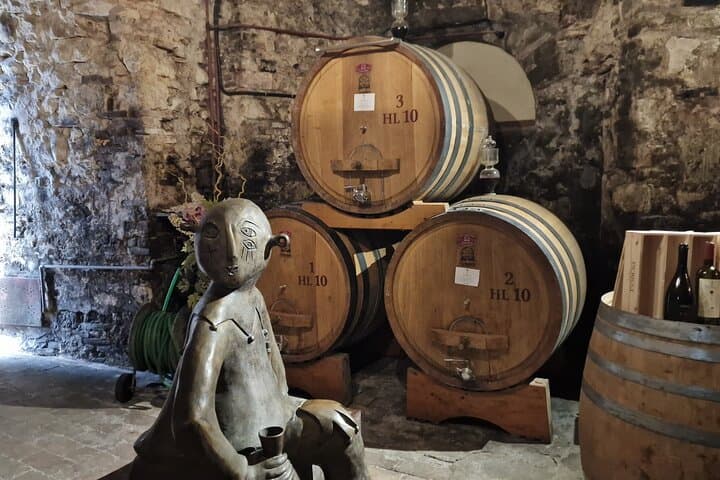
Montepulciano’s roots reach back to Etruscan and Roman times, its narrow lanes and Renaissance palaces shaped by wine wealth. The area’s clay-rich soils and elevated terraces give Vino Nobile its structure; oak barrels finish the story, shaping tannins and aroma into age-worthy bottles. Local culture still orbits the harvest—small family estates, communal cellars and market tables piled with pecorino and cured meats.
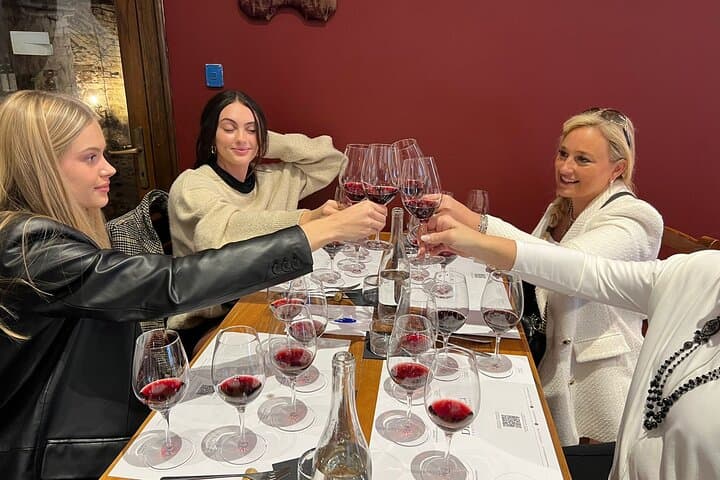
On a private tasting day trip from Rome you’ll visit at least one historic cantina, taste six local wines, and sit down to pici pasta and a board of cheeses and salumi. The guide explains grape varieties, vinification and how terroir—soil, slope and microclimate—writes itself into each glass.
Practical notes: expect cobbled streets and short uphill sections; comfortable shoes matter. Summer afternoons run hot—carry water, pace tastings and ask for spittoons if you’re driving. Bookings generally include private transfer and a licensed guide; tell the operator about allergies and mobility needs in advance. Timing your return to Rome around evening traffic saves time; otherwise, linger on a terrace and let the landscape slow your pulse.
easy.
7 hours.
Light activity level; participants should be comfortable with walking on uneven surfaces and short stair climbs.
The tour lasts about 7 hours and typically includes private transport from Rome, a guided cellar visit, six wine tastings, pici pasta, and a board of local cheeses and salumi.
Yes; Italian law requires participants to be of legal drinking age (18) to consume alcohol—bring ID if requested.
Hosts can usually accommodate common dietary restrictions—notify the operator at booking so they can plan alternatives for cheeses, cured meats or pasta sauce.
The tour is rated easy but involves cobblestones and some stairs; contact the operator with details so they can arrange accessible pick-up or adjust the itinerary if possible.
Montepulciano developed from Etruscan and Roman settlements into a medieval hill town; its wines, particularly Vino Nobile di Montepulciano DOCG, have been prized since the Renaissance.
Many local producers are adopting sustainable viticulture—reduced chemical inputs and soil conservation—to protect terraces and water in this erosion-prone landscape.
Ultimate Explora operates guided outdoor trips and adventures with an emphasis on safety, stewardship, and memorable experiences.
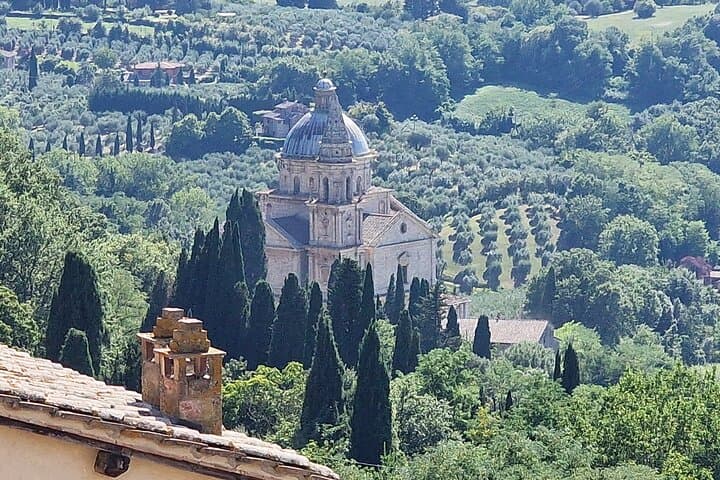
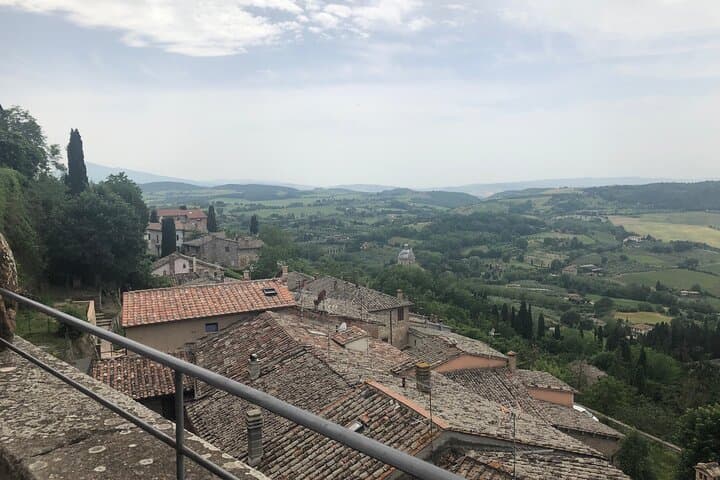
You leave Rome before dawn, the city’s edges receding as the highway unspools toward Tuscany. By midmorning the road climbs into soft, ochre hills; rows of vines lean toward the sun like ships setting sail. In Montepulciano the town perches on a limestone crest, stone streets running the spine of a place that has watched centuries pass from the same vantage.
You leave Rome before dawn, the city’s edges receding as the highway unspools toward Tuscany. By midmorning the road climbs into soft, ochre hills; rows of vines lean toward the sun like ships setting sail. In Montepulciano the town perches on a limestone crest, stone streets running the spine of a place that has watched centuries pass from the same vantage.
Montepulciano’s roots reach back to Etruscan and Roman times, its narrow lanes and Renaissance palaces shaped by wine wealth. The area’s clay-rich soils and elevated terraces give Vino Nobile its structure; oak barrels finish the story, shaping tannins and aroma into age-worthy bottles. Local culture still orbits the harvest—small family estates, communal cellars and market tables piled with pecorino and cured meats.
On a private tasting day trip from Rome you’ll visit at least one historic cantina, taste six local wines, and sit down to pici pasta and a board of cheeses and salumi. The guide explains grape varieties, vinification and how terroir—soil, slope and microclimate—writes itself into each glass.
Practical notes: expect cobbled streets and short uphill sections; comfortable shoes matter. Summer afternoons run hot—carry water, pace tastings and ask for spittoons if you’re driving. Bookings generally include private transfer and a licensed guide; tell the operator about allergies and mobility needs in advance. Timing your return to Rome around evening traffic saves time; otherwise, linger on a terrace and let the landscape slow your pulse.