THE ADVENTURE COLLECTIVE® · Independent discovery and booking for outdoor travel

Explore Monteponi and Pozzo Sella, a cornerstone of Sardinia’s industrial past. This guided visit combines mining archaeology, geology and local history on an accessible 1–3 hour tour.
Explore Monteponi and Pozzo Sella, a cornerstone of Sardinia’s industrial past. This guided visit combines mining archaeology, geology and local history on an accessible 1–3 hour tour.
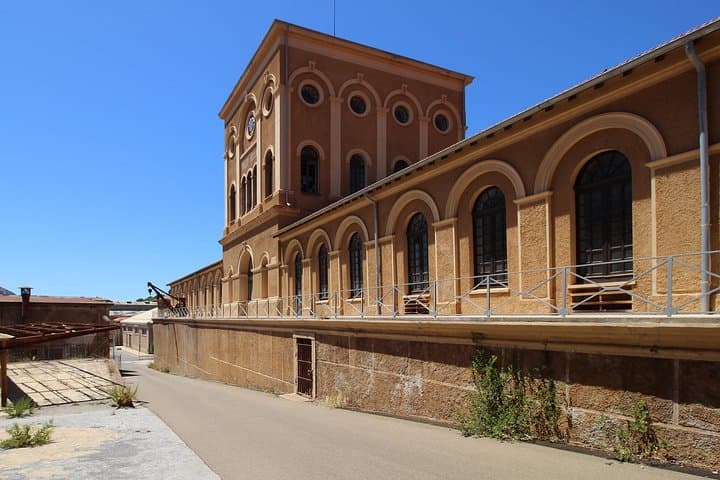
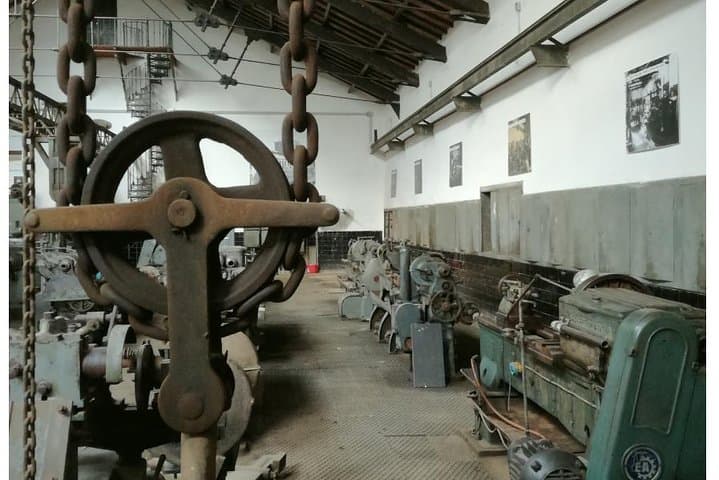
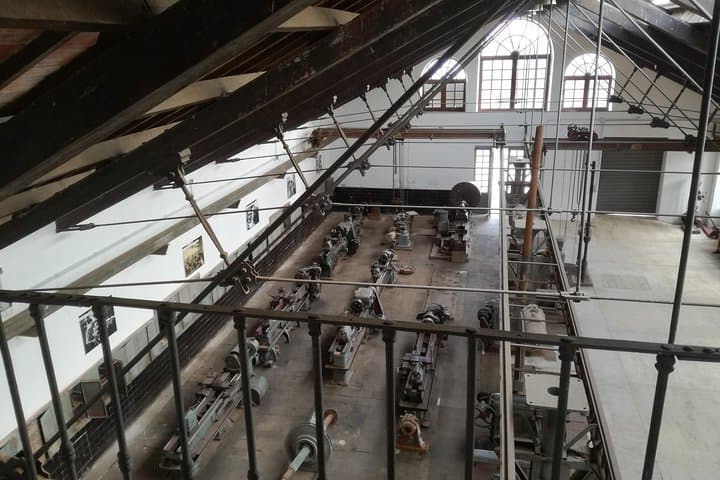
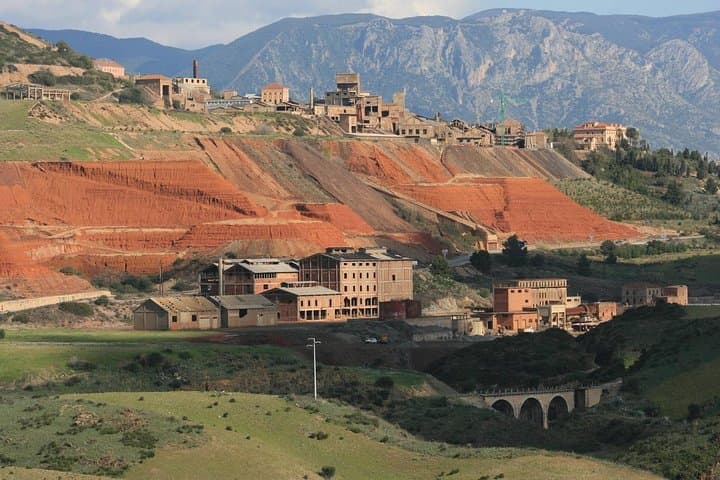
You step beneath a rusting headframe and the air carries the metallic tang of old work and sea-borne winds. Sunlight slices through broken windows of brick engine houses; the Pozzo Sella shaft rises like a late-19th-century answer to a stubborn groundwater problem. Paths wind between collapsed slag heaps and low hills of tailings, while distant waves dare the shore beyond the mining plain.
Verified experiences and guided adventures in the surrounding area.
Operated by sulcis hiking biking trek · Iglesias, Sardinia
You step beneath a rusting headframe and the air carries the metallic tang of old work and sea-borne winds. Sunlight slices through broken windows of brick engine houses; the Pozzo Sella shaft rises like a late-19th-century answer to a stubborn groundwater problem. Paths wind between collapsed slag heaps and low hills of tailings, while distant waves dare the shore beyond the mining plain.
Monteponi was once the beating heart of Sardinia’s metal industry. The district yields sulfide ores—pyrite, galena and sphalerite—worked intensively in the 19th and early 20th centuries. Pozzo Sella, built in 1876, was a pumping and ventilation complex designed to push groundwater out of deep workings so miners could go deeper. Cultural traces remain: worker housing, abandoned churches and “ghost villages” that grew up around shafts and conveyor lines.
Geology here explains the landscape: folded Paleozoic rocks rich in hydrothermal mineralization formed the basis for centuries of extraction. The tour pairs industrial archeology with local stories—immigrant labor, union history and the slow transition from active mines to protected heritage sites.
Practical guidance: tours run roughly 1–3 hours, are low-impact and wheelchair-accessible in parts, but uneven surfaces mean sturdy shoes and attention are required. Bring water, a windproof layer and a camera with a wide lens for interiors. Respect fenced areas and guided-route rules; old mineworks are unstable. Visit in the morning for cooler temperatures and cleaner light, and check weather and local transport connections from Iglesias before you go.
easy.
1–3 hours.
Light walking ability; suitable for most fitness levels but expect short uneven stretches
Tours typically last between 60 and 180 minutes depending on the selected itinerary and group pace.
Parts of the site and transport options are wheelchair accessible, but some interiors and uneven areas may be restricted.
Yes—children are allowed but infants must sit on laps and supervision is required around hazardous ruins.
Most visits focus on surface archaeology and engineered structures like Pozzo Sella; full underground descents are generally not part of the standard tour.
Monteponi and Pozzo Sella were central to Sardinia’s 19th–20th century mining boom; the area reflects waves of local and immigrant labor and early industrial engineering.
The site is managed as mining archaeology with restricted access to fragile structures; visitors are asked to stay on marked routes to reduce erosion and disturbance.
sulcis hiking biking trek operates guided outdoor trips and adventures with an emphasis on safety, stewardship, and memorable experiences.
You step beneath a rusting headframe and the air carries the metallic tang of old work and sea-borne winds. Sunlight slices through broken windows of brick engine houses; the Pozzo Sella shaft rises like a late-19th-century answer to a stubborn groundwater problem. Paths wind between collapsed slag heaps and low hills of tailings, while distant waves dare the shore beyond the mining plain.
You step beneath a rusting headframe and the air carries the metallic tang of old work and sea-borne winds. Sunlight slices through broken windows of brick engine houses; the Pozzo Sella shaft rises like a late-19th-century answer to a stubborn groundwater problem. Paths wind between collapsed slag heaps and low hills of tailings, while distant waves dare the shore beyond the mining plain.
Monteponi was once the beating heart of Sardinia’s metal industry. The district yields sulfide ores—pyrite, galena and sphalerite—worked intensively in the 19th and early 20th centuries. Pozzo Sella, built in 1876, was a pumping and ventilation complex designed to push groundwater out of deep workings so miners could go deeper. Cultural traces remain: worker housing, abandoned churches and “ghost villages” that grew up around shafts and conveyor lines.
Geology here explains the landscape: folded Paleozoic rocks rich in hydrothermal mineralization formed the basis for centuries of extraction. The tour pairs industrial archeology with local stories—immigrant labor, union history and the slow transition from active mines to protected heritage sites.
Practical guidance: tours run roughly 1–3 hours, are low-impact and wheelchair-accessible in parts, but uneven surfaces mean sturdy shoes and attention are required. Bring water, a windproof layer and a camera with a wide lens for interiors. Respect fenced areas and guided-route rules; old mineworks are unstable. Visit in the morning for cooler temperatures and cleaner light, and check weather and local transport connections from Iglesias before you go.