THE ADVENTURE COLLECTIVE® · Independent discovery and booking for outdoor travel

Cross the border from Dubrovnik for a day along the dramatic Boka Kotorska. Visit Perast, Kotor and Budva, optionally boat to Our Lady of the Rocks, and learn local history with plenty of photo stops and free time for lunch.
Cross the border from Dubrovnik for a day along the dramatic Boka Kotorska. Visit Perast, Kotor and Budva, optionally boat to Our Lady of the Rocks, and learn local history with plenty of photo stops and free time for lunch.
A morning drive out of Dubrovnik melts the Adriatic into one long silver road. The minivan eases over the border and the Boka Kotorska opens like a folded map: cliff-backed bays, stacked stone villages, and churches punctuating the shoreline. In Perast the sea seems to lean in, daring you to cross to the tiny manmade island Our Lady of the Rocks; in Kotor the cathedral and city walls sit low and indifferent, weathered by salt and centuries.
Verified experiences and guided adventures in the surrounding area.
Operated by Dubrovnik Days · Kotor, Kotor Municipality
A morning drive out of Dubrovnik melts the Adriatic into one long silver road. The minivan eases over the border and the Boka Kotorska opens like a folded map: cliff-backed bays, stacked stone villages, and churches punctuating the shoreline. In Perast the sea seems to lean in, daring you to cross to the tiny manmade island Our Lady of the Rocks; in Kotor the cathedral and city walls sit low and indifferent, weathered by salt and centuries.
This coastal margin of Montenegro is carved from limestone and steep karst ridges that cascade into the Adriatic, creating one of Europe’s southernmost fjord-like bays. The towns reflect Venetian, Ottoman, and Austro-Hungarian layers—baroque facades, narrow alleys, and bell towers that regulated daily life for generations. Local culture still orients around the sea: boatbuilding, fishing, and small family-owned kafanas serving strong coffee and seafood.
Practical guide: tours run about nine hours including border time; passport or EU ID is required. Expect multiple short walks on cobblestones and an optional short boat hop (≈€10) to Our Lady of the Rocks. Wear sturdy shoes for uneven stone streets and bring sun protection in summer; there are cafés and lunch options in Kotor and Budva during free time. Note the border crossing can add 10–45 minutes depending on season—plan time-sensitive travel accordingly.
For photographers: early light on the bay and late-afternoon gold in Kotor’s alleys are most flattering. Hydrate, carry some euros for small vendors, and leave a chunk of curiosity for the cliff-top views that reward a few hundred steep stone steps.
easy.
9 hours.
Suitable for most fitness levels; involves short walks on cobblestones and optional steep stair climbs.
Yes—participants cross the Croatia–Montenegro border, so a passport or valid EU ID card is required.
No, the short boat ride to the island usually costs extra (about €10) and is optional during the Perast stop.
Yes—the itinerary includes free time in Kotor and other towns for lunch, cafés, and self-guided exploration.
Kotor’s city walls and viewpoints involve steep stone steps that may be strenuous; the old towns have uneven cobbles which can be challenging for mobility-impaired visitors.
The Bay of Kotor was a strategic maritime crossroads influenced by Venetian and Austro-Hungarian rule; its fortified towns trace centuries of seafaring and trade.
The bay’s unique ecology is sensitive to boat traffic and development—choose operators who follow local guidelines and avoid littering or disturbing nesting seabirds.
Dubrovnik Days operates guided outdoor trips and adventures with an emphasis on safety, stewardship, and memorable experiences.
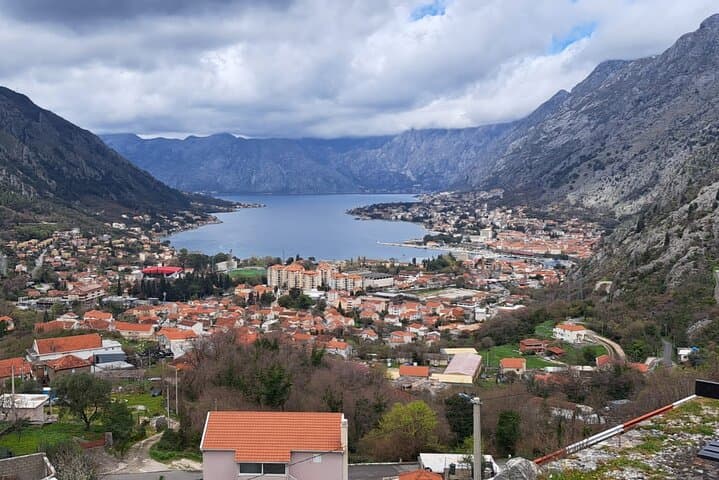
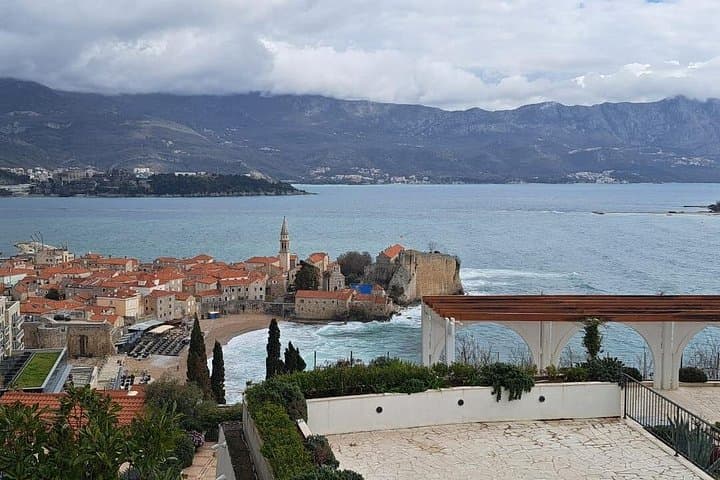
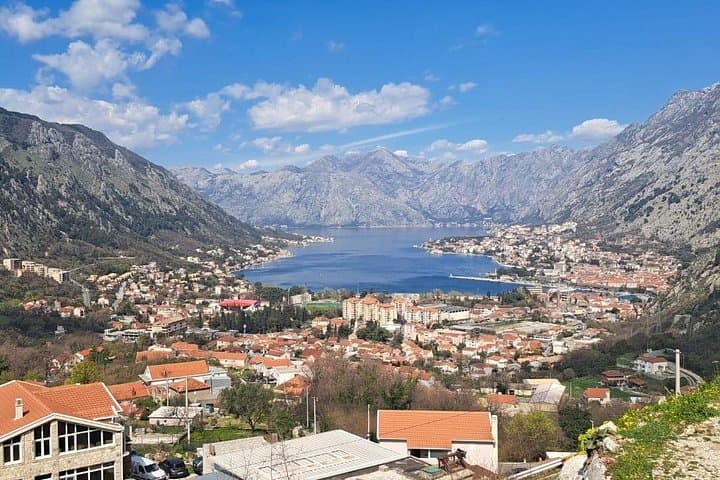
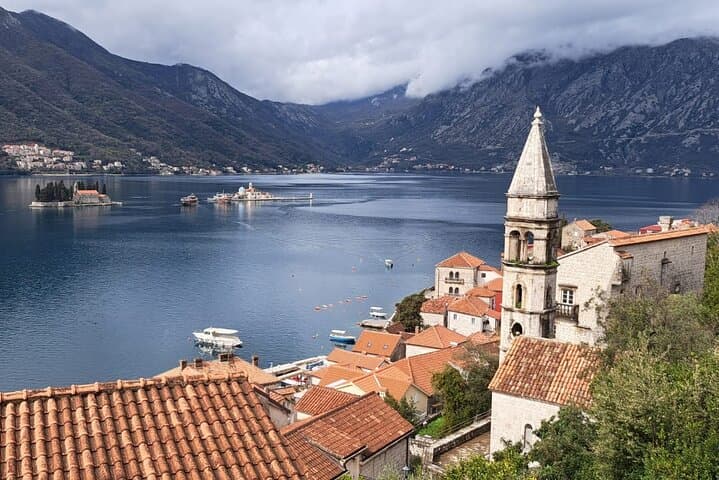
A morning drive out of Dubrovnik melts the Adriatic into one long silver road. The minivan eases over the border and the Boka Kotorska opens like a folded map: cliff-backed bays, stacked stone villages, and churches punctuating the shoreline. In Perast the sea seems to lean in, daring you to cross to the tiny manmade island Our Lady of the Rocks; in Kotor the cathedral and city walls sit low and indifferent, weathered by salt and centuries.
A morning drive out of Dubrovnik melts the Adriatic into one long silver road. The minivan eases over the border and the Boka Kotorska opens like a folded map: cliff-backed bays, stacked stone villages, and churches punctuating the shoreline. In Perast the sea seems to lean in, daring you to cross to the tiny manmade island Our Lady of the Rocks; in Kotor the cathedral and city walls sit low and indifferent, weathered by salt and centuries.
This coastal margin of Montenegro is carved from limestone and steep karst ridges that cascade into the Adriatic, creating one of Europe’s southernmost fjord-like bays. The towns reflect Venetian, Ottoman, and Austro-Hungarian layers—baroque facades, narrow alleys, and bell towers that regulated daily life for generations. Local culture still orients around the sea: boatbuilding, fishing, and small family-owned kafanas serving strong coffee and seafood.
Practical guide: tours run about nine hours including border time; passport or EU ID is required. Expect multiple short walks on cobblestones and an optional short boat hop (≈€10) to Our Lady of the Rocks. Wear sturdy shoes for uneven stone streets and bring sun protection in summer; there are cafés and lunch options in Kotor and Budva during free time. Note the border crossing can add 10–45 minutes depending on season—plan time-sensitive travel accordingly.
For photographers: early light on the bay and late-afternoon gold in Kotor’s alleys are most flattering. Hydrate, carry some euros for small vendors, and leave a chunk of curiosity for the cliff-top views that reward a few hundred steep stone steps.