THE ADVENTURE COLLECTIVE® · Independent discovery and booking for outdoor travel

Spend a day in Montenegro’s forest learning to identify edible mushrooms, shoot nature photos, and turn foraged finds into a rustic shared meal. This guided, six-hour outing blends moderate hiking with hands-on cooking and cultural insight.
Spend a day in Montenegro’s forest learning to identify edible mushrooms, shoot nature photos, and turn foraged finds into a rustic shared meal. This guided, six-hour outing blends moderate hiking with hands-on cooking and cultural insight.
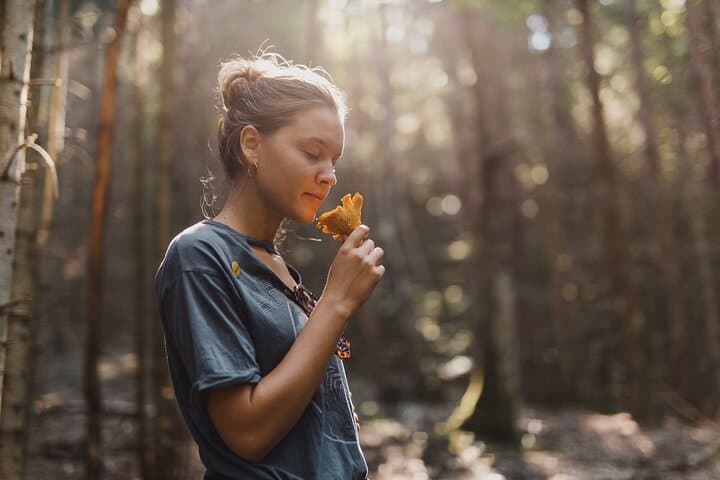
Morning light filters through high beech and oak branches as a small group steps off a country lane and into the hush of Montenegro’s forest. The guide moves with practiced calm, pointing out cap shapes and spore colors while a photographer frames the damp leaf litter—this is half-hike, half-classroom, and all about paying close attention to the life underfoot.
Verified experiences and guided adventures in the surrounding area.
Operated by A Call for Nature and Wild Mushrooms Lovers · Podgorica, Podgorica Municipality
Morning light filters through high beech and oak branches as a small group steps off a country lane and into the hush of Montenegro’s forest. The guide moves with practiced calm, pointing out cap shapes and spore colors while a photographer frames the damp leaf litter—this is half-hike, half-classroom, and all about paying close attention to the life underfoot.
The forests of northern and central Montenegro sit on folded limestone of the Dinaric Alps, where karst ridges and sheltered hollows create microclimates that favor mushrooms in spring and, especially, autumn. Foraging here ties into a long Balkan tradition of seasonal collection for household tables and markets; older locals still maintain knowledge passed down through generations.
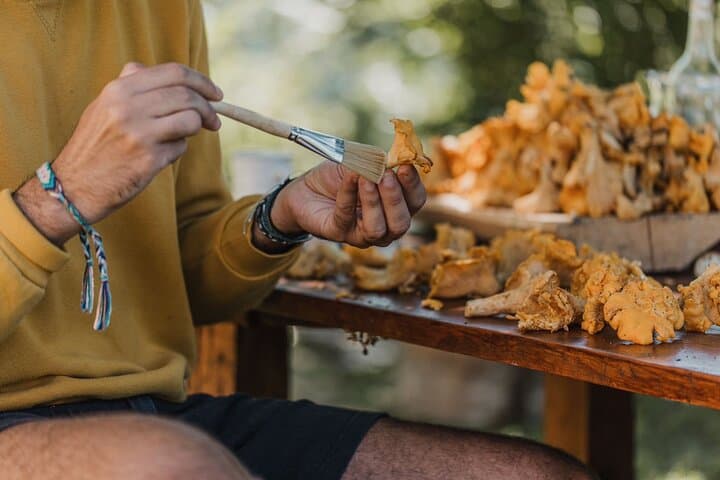
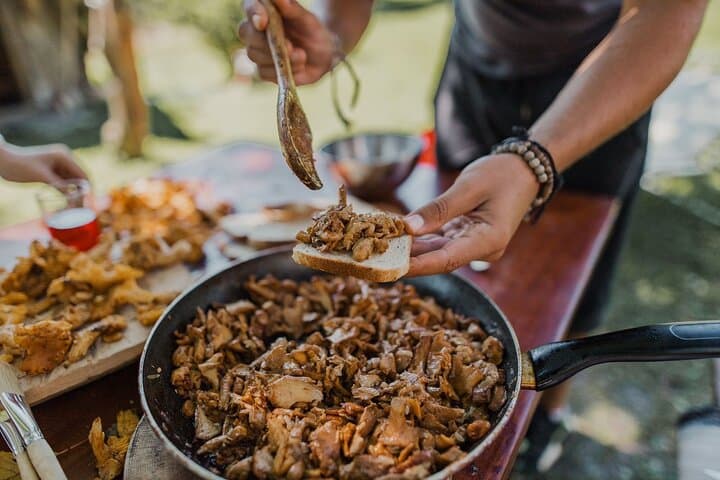
Cultural notes: expect simple, rural hospitality and a focus on local techniques for cleaning and cooking wild fungi—often highlighted by a modest, wood-fired pan rather than haute cuisine. Geology influences the meal too: alkaline soils on limestone support several edible species, while wetter valley floors favor others.
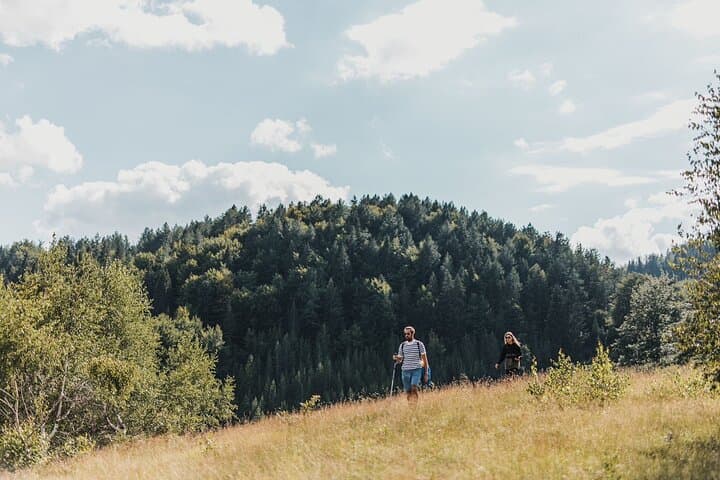
Practical guidance: the experience is guide-led and lasts about six hours, with moderate walking on uneven, sometimes muddy trails. Wear sturdy hiking shoes, dress in layers, and bring water, insect protection, and a small field notebook or camera. If you plan to eat what you pick, disclose allergies and dietary restrictions in advance. Respect protected areas and take only what you can identify with the guide. The day ends with a rustic, forest-to-table lunch prepared from the group’s finds—simple, seasonal, and rooted in place.
moderate.
6 hours.
Moderate fitness needed for several hours of walking on uneven terrain and short elevation changes
Yes—under the guide’s supervision, safe, identified mushrooms gathered that day are used in the communal, rustic lunch.
No—this is a guided experience designed for beginners and enthusiasts; all identification and safety decisions are led by the guide.
Private transport from the meeting point is provided as part of the tour; confirm pickup details when booking.
Children are typically allowed but infants must sit on an adult’s lap; check age suitability and ability to manage a few hours outdoors.
Foraging has long been part of Balkan rural life—families historically relied on seasonal mushrooms to supplement diets and preserve food for winter.
Practices emphasize taking only identified specimens, avoiding overharvest, and following leave-no-trace principles to protect fungal ecosystems.
A Call for Nature and Wild Mushrooms Lovers operates guided outdoor trips and adventures with an emphasis on safety, stewardship, and memorable experiences.
Morning light filters through high beech and oak branches as a small group steps off a country lane and into the hush of Montenegro’s forest. The guide moves with practiced calm, pointing out cap shapes and spore colors while a photographer frames the damp leaf litter—this is half-hike, half-classroom, and all about paying close attention to the life underfoot.
Morning light filters through high beech and oak branches as a small group steps off a country lane and into the hush of Montenegro’s forest. The guide moves with practiced calm, pointing out cap shapes and spore colors while a photographer frames the damp leaf litter—this is half-hike, half-classroom, and all about paying close attention to the life underfoot.
The forests of northern and central Montenegro sit on folded limestone of the Dinaric Alps, where karst ridges and sheltered hollows create microclimates that favor mushrooms in spring and, especially, autumn. Foraging here ties into a long Balkan tradition of seasonal collection for household tables and markets; older locals still maintain knowledge passed down through generations.
Cultural notes: expect simple, rural hospitality and a focus on local techniques for cleaning and cooking wild fungi—often highlighted by a modest, wood-fired pan rather than haute cuisine. Geology influences the meal too: alkaline soils on limestone support several edible species, while wetter valley floors favor others.
Practical guidance: the experience is guide-led and lasts about six hours, with moderate walking on uneven, sometimes muddy trails. Wear sturdy hiking shoes, dress in layers, and bring water, insect protection, and a small field notebook or camera. If you plan to eat what you pick, disclose allergies and dietary restrictions in advance. Respect protected areas and take only what you can identify with the guide. The day ends with a rustic, forest-to-table lunch prepared from the group’s finds—simple, seasonal, and rooted in place.