THE ADVENTURE COLLECTIVE® · Independent discovery and booking for outdoor travel

Spend 30–40 minutes drifting a calm Jamaican river with a local guide. This short, accessible raft experience pairs easy scenery—palm-lined banks and shorebirds—with stories about the island’s rivers and communities.
Spend 30–40 minutes drifting a calm Jamaican river with a local guide. This short, accessible raft experience pairs easy scenery—palm-lined banks and shorebirds—with stories about the island’s rivers and communities.
A warm, slow-moving river opens like a line on the map, and a single guide eases a flat raft into its current. The air smells of wet earth and citrus; palms lean over the bank and the guide—part pilot, part storyteller—uses a long pole to steer a smooth, unhurried course. For 30–40 minutes the river asks only that you breathe and look: mangrove roots, glints of sun on ripples, the occasional heron launching.
Verified experiences and guided adventures in the surrounding area.
Operated by Truman · Montego Bay, St James
A warm, slow-moving river opens like a line on the map, and a single guide eases a flat raft into its current. The air smells of wet earth and citrus; palms lean over the bank and the guide—part pilot, part storyteller—uses a long pole to steer a smooth, unhurried course. For 30–40 minutes the river asks only that you breathe and look: mangrove roots, glints of sun on ripples, the occasional heron launching.
Rivers in western Jamaica have long been hubs of life and movement. Indigenous Taíno people used waterways for food and travel; later, colonial plantations relied on river access for irrigation and transport. Geologically, the island’s limestone karst and volcanic uplifts shape narrow river channels that reward calm, low-key descents rather than whitewater thrills. Culturally, a rafting trip is as much about conversation—local stories, place names, seasonal crops—as it is about scenery.
Practically, expect an easy, guided float designed for most ages and fitness levels. Trips are short, so arrive with sun protection, a light waterproof layer, and modest footwear you don’t mind getting damp. Guides often point out birdlife and small reptiles and may stop at a riverside spot for photos. Operators value safety and accessibility—ask about infant seats or wheelchair-friendly pick-up if needed.
Timing matters: mornings and late afternoons offer cooler light and quieter banks. Bring cash for small vendor purchases and tip your guide if you enjoyed the rhythm of the river—the gesture supports local livelihoods and keeps these gentle floats running.
easy.
30–40 minutes.
Suitable for most fitness levels; minimal exertion required beyond boarding and standing occasionally.
The guided float lasts about 30–40 minutes door-to-door at the river, though total pick-up and drop-off timing will be longer.
Yes; the trip is described as physically easy and operators often provide infant seats and wheelchair-accessible transport—confirm specific needs at booking.
Expect light splashes and damp footing at boarding; the float itself is calm rather than whitewater, so heavy immersion is unlikely.
Yes; guides typically are local and share cultural context, bird and plant identification, and safety instruction throughout the float.
Western Jamaica’s rivers supported Taíno communities and later plantation agriculture; today many river tours pass through landscapes shaped by those histories.
Protect riverbanks by avoiding litter, using reef-safe sunscreen, and choosing operators who limit group sizes and respect local habitats.
Truman operates guided outdoor trips and adventures with an emphasis on safety, stewardship, and memorable experiences.
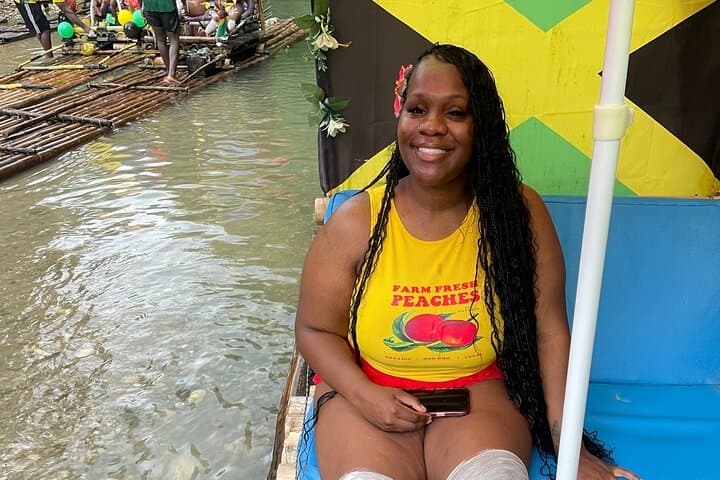
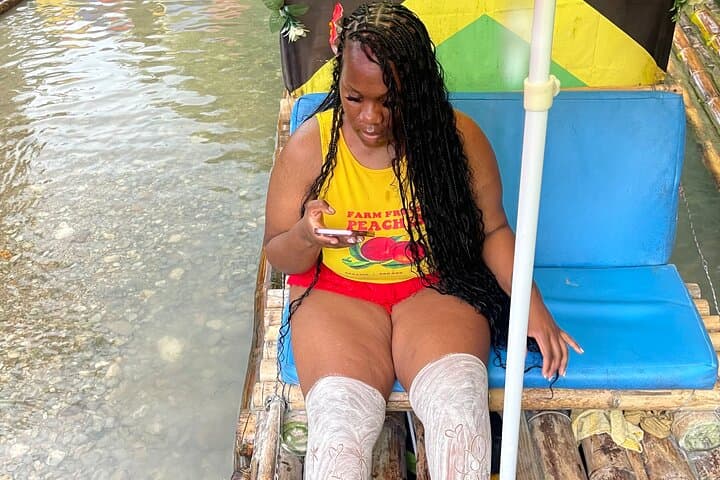
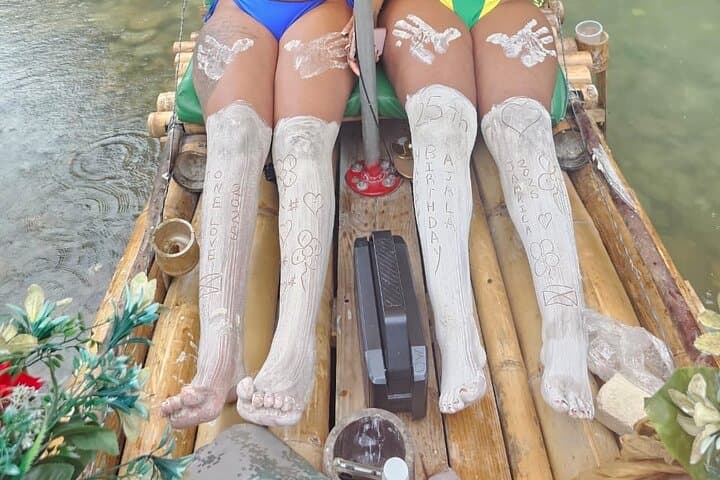
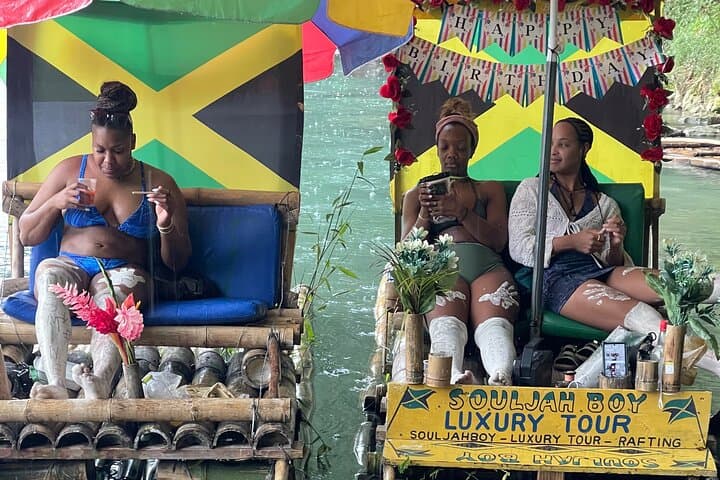
A warm, slow-moving river opens like a line on the map, and a single guide eases a flat raft into its current. The air smells of wet earth and citrus; palms lean over the bank and the guide—part pilot, part storyteller—uses a long pole to steer a smooth, unhurried course. For 30–40 minutes the river asks only that you breathe and look: mangrove roots, glints of sun on ripples, the occasional heron launching.
A warm, slow-moving river opens like a line on the map, and a single guide eases a flat raft into its current. The air smells of wet earth and citrus; palms lean over the bank and the guide—part pilot, part storyteller—uses a long pole to steer a smooth, unhurried course. For 30–40 minutes the river asks only that you breathe and look: mangrove roots, glints of sun on ripples, the occasional heron launching.
Rivers in western Jamaica have long been hubs of life and movement. Indigenous Taíno people used waterways for food and travel; later, colonial plantations relied on river access for irrigation and transport. Geologically, the island’s limestone karst and volcanic uplifts shape narrow river channels that reward calm, low-key descents rather than whitewater thrills. Culturally, a rafting trip is as much about conversation—local stories, place names, seasonal crops—as it is about scenery.
Practically, expect an easy, guided float designed for most ages and fitness levels. Trips are short, so arrive with sun protection, a light waterproof layer, and modest footwear you don’t mind getting damp. Guides often point out birdlife and small reptiles and may stop at a riverside spot for photos. Operators value safety and accessibility—ask about infant seats or wheelchair-friendly pick-up if needed.
Timing matters: mornings and late afternoons offer cooler light and quieter banks. Bring cash for small vendor purchases and tip your guide if you enjoyed the rhythm of the river—the gesture supports local livelihoods and keeps these gentle floats running.