THE ADVENTURE COLLECTIVE® · Independent discovery and booking for outdoor travel

Glide three miles down the Martha Brae on a handcrafted 30‑foot bamboo raft guided by local raftmen. Expect calm water, birdlife, local stories and a relaxed, three‑hour outing that connects geology, culture and riverside life.
Glide three miles down the Martha Brae on a handcrafted 30‑foot bamboo raft guided by local raftmen. Expect calm water, birdlife, local stories and a relaxed, three‑hour outing that connects geology, culture and riverside life.
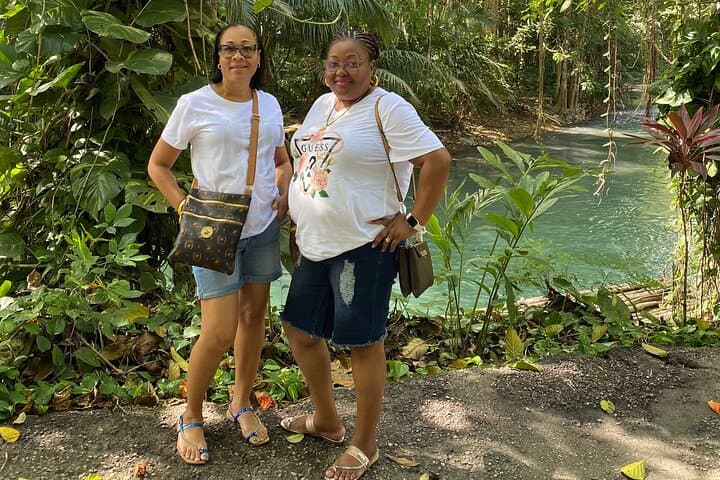
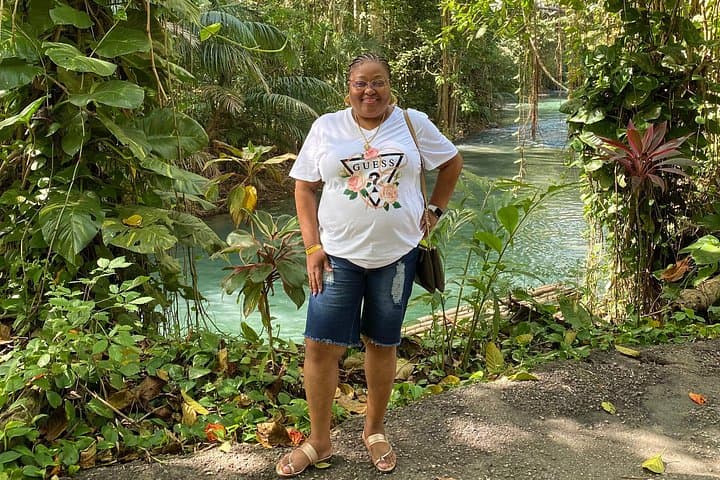
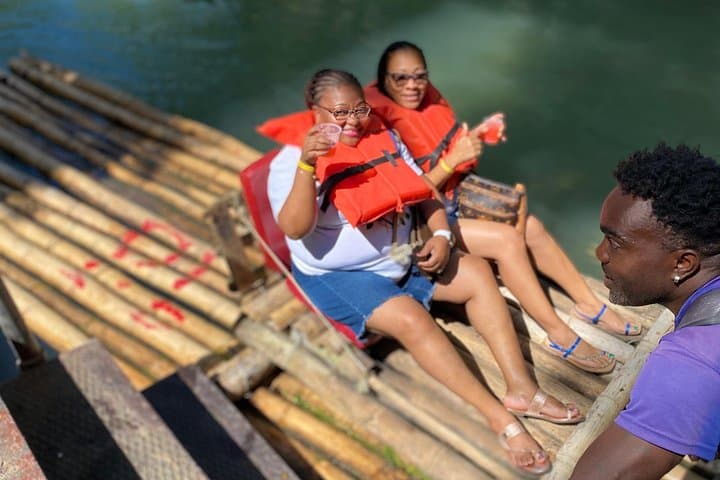
Morning light cuts across the river like a clean blade as a 30‑foot bamboo raft slides away from the bank. The Martha Brae demands nothing flashy—its slow current dares you to relax—while a local raftman steers with a long pole, narrating the names of plants and birds that lean in to watch.
Verified experiences and guided adventures in the surrounding area.
Operated by Simply Majestic Tours & Transprtation · Martha Brae, Trelawny
Morning light cuts across the river like a clean blade as a 30‑foot bamboo raft slides away from the bank. The Martha Brae demands nothing flashy—its slow current dares you to relax—while a local raftman steers with a long pole, narrating the names of plants and birds that lean in to watch.
The river runs out of the karst hills of Cockpit Country and spills toward the Caribbean, a freshwater ribbon that historically supplied nearby settlements and today still provides a large portion of western Jamaica’s potable water. Geology here is limestone carved into shallow caves and sinkholes; vegetation is robust—a mix of riparian trees, ferns and vines that support endemic birds and small mammals. Along the banks, you’ll catch glimpses of daily life: riverbank gardens, small farms and craft stalls where locals sell woven goods.
The experience is low‑impact and cultural as much as scenic. Guides often point out medicinal plants, talk about colonial and Maroon histories in the region, and explain how rafts are built and maintained.
Practical side: the outing is about three miles and roughly three hours including transfer time. Wear secure water shoes, reef‑safe sunscreen and a hat; pack a small water bottle and insect repellent. Morning departures dodge heavier sun and the shorts‑lived afternoon rains common in summer. Bring cash for tips and local purchases; the raft is stable but bring a dry bag for phones. This is an easy, immersive float that mixes gentle motion, local stories and close wildlife encounters—ideal for travelers looking for calm river time with cultural context.
easy.
2–3 hours (activity ~1 hour on raft).
Suitable for most fitness levels; requires ability to step on/off a low raft and sit for the float.
The raft ride covers about three miles on the river and the full tour including transport and stops is roughly three hours.
Yes—rafts are stable and guides accommodate families; basic mobility for boarding is needed and life vests are typically available.
Many private tour options include air‑conditioned pickup and drop‑off from selected hotels—confirm at booking.
Tipping is customary; bring small cash to reward good guiding and local service.
The Martha Brae flows from the limestone Cockpit Country toward the Caribbean; river corridors supported local settlements and remain vital drinking‑water sources for western parishes.
Follow guide instructions to avoid disturbing banks, use biodegradable sunscreen and refuse single‑use plastics; supporting local operators helps fund river stewardship.
Simply Majestic Tours & Transprtation operates guided outdoor trips and adventures with an emphasis on safety, stewardship, and memorable experiences.

Morning light cuts across the river like a clean blade as a 30‑foot bamboo raft slides away from the bank. The Martha Brae demands nothing flashy—its slow current dares you to relax—while a local raftman steers with a long pole, narrating the names of plants and birds that lean in to watch.
Morning light cuts across the river like a clean blade as a 30‑foot bamboo raft slides away from the bank. The Martha Brae demands nothing flashy—its slow current dares you to relax—while a local raftman steers with a long pole, narrating the names of plants and birds that lean in to watch.
The river runs out of the karst hills of Cockpit Country and spills toward the Caribbean, a freshwater ribbon that historically supplied nearby settlements and today still provides a large portion of western Jamaica’s potable water. Geology here is limestone carved into shallow caves and sinkholes; vegetation is robust—a mix of riparian trees, ferns and vines that support endemic birds and small mammals. Along the banks, you’ll catch glimpses of daily life: riverbank gardens, small farms and craft stalls where locals sell woven goods.
The experience is low‑impact and cultural as much as scenic. Guides often point out medicinal plants, talk about colonial and Maroon histories in the region, and explain how rafts are built and maintained.
Practical side: the outing is about three miles and roughly three hours including transfer time. Wear secure water shoes, reef‑safe sunscreen and a hat; pack a small water bottle and insect repellent. Morning departures dodge heavier sun and the shorts‑lived afternoon rains common in summer. Bring cash for tips and local purchases; the raft is stable but bring a dry bag for phones. This is an easy, immersive float that mixes gentle motion, local stories and close wildlife encounters—ideal for travelers looking for calm river time with cultural context.