THE ADVENTURE COLLECTIVE® · Independent discovery and booking for outdoor travel

Walk the rows of a working Montego Bay cannabis farm, learn cultivation and trimming techniques, and finish with a farm-to-table Jamaican lunch. This private, three-hour tour pairs agricultural history with hands-on experience in the island’s upcountry hills.
Walk the rows of a working Montego Bay cannabis farm, learn cultivation and trimming techniques, and finish with a farm-to-table Jamaican lunch. This private, three-hour tour pairs agricultural history with hands-on experience in the island’s upcountry hills.
You arrive where the pavement thins and the hills begin to rise—green slopes rimmed by sugarcane and the scent of earth after rain. A narrow lane leads to the farm and the plants stand in neat rows, leaves catching the tropical light as the air seems to hum with life. Guides move through the beds with practiced calm; you feel both visitor and witness to a working landscape.
Verified experiences and guided adventures in the surrounding area.
Operated by True Life Tours Jamaica · Montego Bay, St James
You arrive where the pavement thins and the hills begin to rise—green slopes rimmed by sugarcane and the scent of earth after rain. A narrow lane leads to the farm and the plants stand in neat rows, leaves catching the tropical light as the air seems to hum with life. Guides move through the beds with practiced calm; you feel both visitor and witness to a working landscape.
This is rural St. James, a place shaped by colonial sugarcane plantations and, more recently, a growing medical and artisan cannabis sector. The surrounding limestone hills and shallow valleys make for well-draining soils that local farmers have used for generations, and the tour connects that agricultural history to contemporary regenerative practices and Rastafarian cultural ties to the plant.
Expect a mix of classroom and field: an introduction to cultivation and processing, hands-on trimming or rolling demonstrations, and explanations of Jamaica’s evolving legal framework around cannabis. A farm-to-table Jamaican lunch follows, featuring produce sourced on-site and prepared simply to highlight freshness.
Practicalities matter: the farm sits upcountry, accessible by air-conditioned vehicle, and the walking is easy but on uneven ground—closed-toe shoes help. Bring ID, respect local rules about consumption and transport, and plan your visit outside the midday heat. Photography is typically welcome but follow staff guidance around sensitive areas. This private, three-hour experience blends low-impact outdoor time, agricultural education, and local flavor—ideal for travelers curious about where their food and medicine come from and how island agriculture is changing.
easy.
3 hours.
Suitable for most fitness levels; involves short walks on uneven farm tracks and light standing during demonstrations
Consumption policies vary by operator and must comply with Jamaican law; some tours include on-site educational tasting where permitted—confirm with the provider before booking.
Most tours include private pick-up and drop-off in an air-conditioned vehicle from Montego Bay-area hotels; confirm your pickup point and time when booking.
Age policies differ by operator; many restrict certain activities to adults and require ID—check booking requirements for age limits and documentation.
Transporting cannabis plants or certain agricultural products across borders is illegal; take home photos and purchased legal souvenirs, and ask the operator about allowed items.
The region’s agricultural economy shifted from colonial sugar plantations to diverse small farms; Rastafarian culture and recent changes in cannabis law have influenced local cultivation methods.
Many farms emphasize sustainable practices—support operators who prioritize soil health, water management, and legal compliance to reduce environmental impact.
True Life Tours Jamaica operates guided outdoor trips and adventures with an emphasis on safety, stewardship, and memorable experiences.
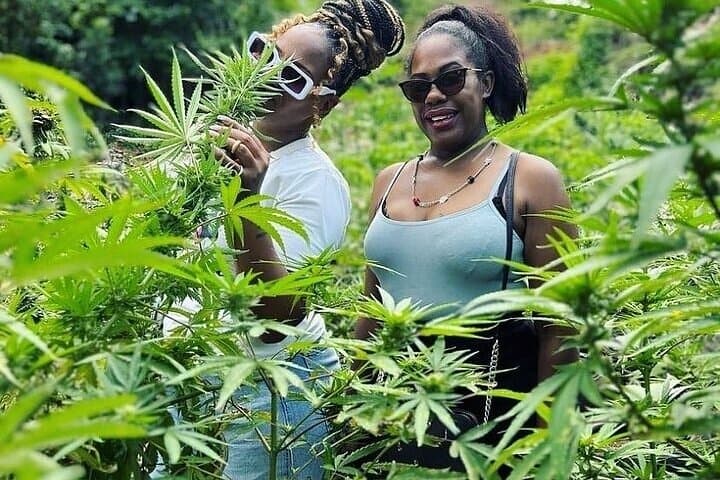
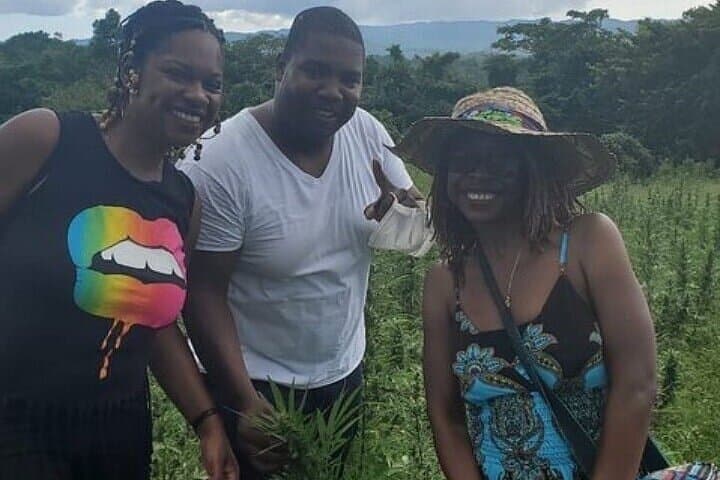
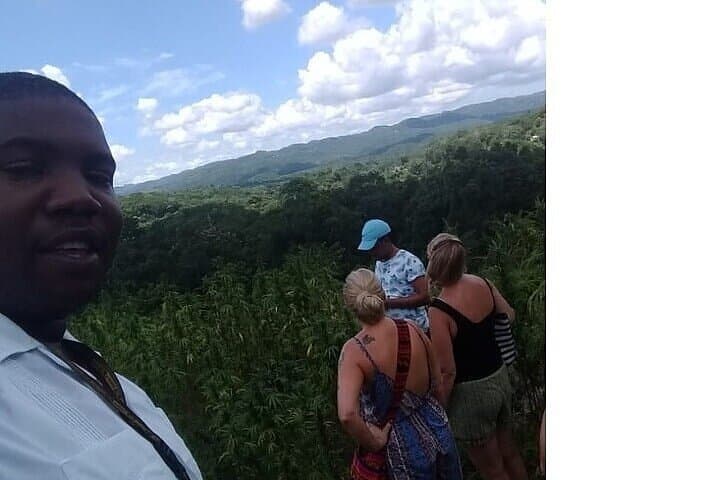
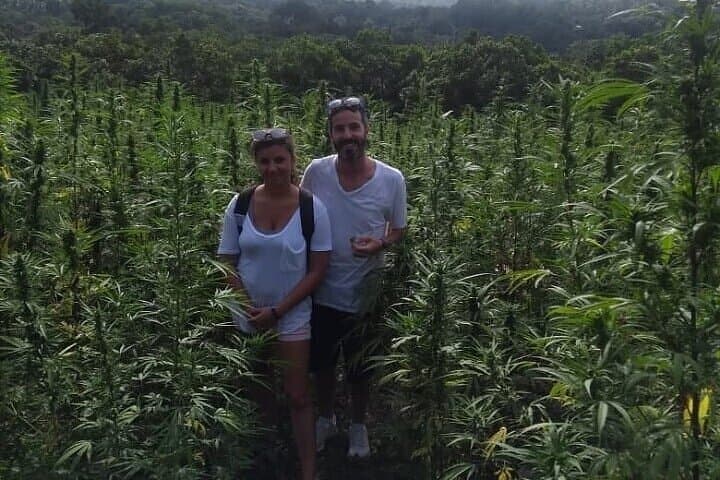
You arrive where the pavement thins and the hills begin to rise—green slopes rimmed by sugarcane and the scent of earth after rain. A narrow lane leads to the farm and the plants stand in neat rows, leaves catching the tropical light as the air seems to hum with life. Guides move through the beds with practiced calm; you feel both visitor and witness to a working landscape.
You arrive where the pavement thins and the hills begin to rise—green slopes rimmed by sugarcane and the scent of earth after rain. A narrow lane leads to the farm and the plants stand in neat rows, leaves catching the tropical light as the air seems to hum with life. Guides move through the beds with practiced calm; you feel both visitor and witness to a working landscape.
This is rural St. James, a place shaped by colonial sugarcane plantations and, more recently, a growing medical and artisan cannabis sector. The surrounding limestone hills and shallow valleys make for well-draining soils that local farmers have used for generations, and the tour connects that agricultural history to contemporary regenerative practices and Rastafarian cultural ties to the plant.
Expect a mix of classroom and field: an introduction to cultivation and processing, hands-on trimming or rolling demonstrations, and explanations of Jamaica’s evolving legal framework around cannabis. A farm-to-table Jamaican lunch follows, featuring produce sourced on-site and prepared simply to highlight freshness.
Practicalities matter: the farm sits upcountry, accessible by air-conditioned vehicle, and the walking is easy but on uneven ground—closed-toe shoes help. Bring ID, respect local rules about consumption and transport, and plan your visit outside the midday heat. Photography is typically welcome but follow staff guidance around sensitive areas. This private, three-hour experience blends low-impact outdoor time, agricultural education, and local flavor—ideal for travelers curious about where their food and medicine come from and how island agriculture is changing.