THE ADVENTURE COLLECTIVE® · Independent discovery and booking for outdoor travel

Follow a coastal ridge east of San Sebastián where Camino routes meet cliffs and fishing harbors. This five‑hour trek combines sea views from Monte Ulia with a short boat ride into the historic Pasaia harbor and chances to taste local txakoli.
Follow a coastal ridge east of San Sebastián where Camino routes meet cliffs and fishing harbors. This five‑hour trek combines sea views from Monte Ulia with a short boat ride into the historic Pasaia harbor and chances to taste local txakoli.
You step off a narrow lane and the sea answers first — wind pressing salt onto your lips, waves palming the cliffs below. The path climbs through coastal scrub and twisted pines, Monte Ulia’s ridgeline guiding you east with intermittent windows to the Bay of Biscay and the ferry-slice of Pasaia harbor. The trail moves like a slow tide: sometimes easy-graded earth, sometimes carved rock underfoot.
Verified experiences and guided adventures in the surrounding area.
Operated by Sanse Bikes · San Sebastián, Gipuzkoa
You step off a narrow lane and the sea answers first — wind pressing salt onto your lips, waves palming the cliffs below. The path climbs through coastal scrub and twisted pines, Monte Ulia’s ridgeline guiding you east with intermittent windows to the Bay of Biscay and the ferry-slice of Pasaia harbor. The trail moves like a slow tide: sometimes easy-graded earth, sometimes carved rock underfoot.
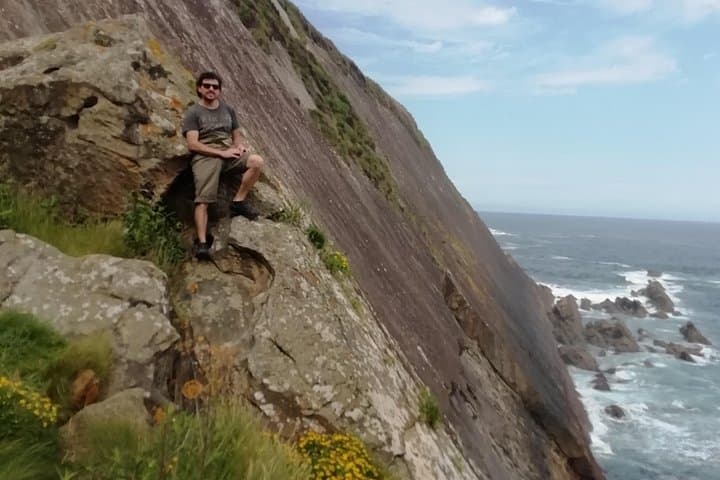
This coastline carries layers of history — medieval pilgrims who skirted these cliffs on routes feeding into the Camino de Santiago, Basque fishing hamlets that later oriented toward shipbuilding and txakoli vineyards inland. Geologically the headland is limestone and flysch, cliffs telling of ancient seas folded and uplifted, and the shoreline still shows the raw edges of that movement.
Expect the culture to be tactile: small fishing ports where fishermen mend nets as they always have, and cafés serving txakoli — slightly effervescent white wine — that punctuates a mid-hike stop. A short boat run across the bay gives a different perspective; the harbor will reveal its working face and maritime history as it nudges you closer to shore life.
Practical guidance: this is a roughly 5-hour loop when combined with the coastal sections and local transfers — uneven terrain, frequent short climbs, and exposed ridge sections. Wear grippy footwear, layer for coastal wind, carry 1–1.5 liters of water and some snacks, and bring a few euros in cash for the local boat. Public transport connects back to San Sebastián if you prefer to skip the return walk. The itinerary is accessible to most hikers with steady footing and rewards with broad sea views, intimate village stops, and a palpable sense of Basque coastal life.
moderate.
4–6 hours.
Reasonable aerobic fitness and good balance for uneven, occasionally exposed coastal trail sections
The listed duration is about 5 hours and is rated moderate: steady walking with several short climbs and uneven footing; suitable for hikers comfortable with 10–15 km of mixed terrain.
Boat transport to cross Pasaia bay is not included; expect a small cash fare (approximately €1.25 one way) and public buses are available for the return.
The tour includes bottled water and a typical txakoli drink; additional snacks or lunch are usually not included so bring what you need.
This tour is not recommended for travelers with significant heart or spinal problems due to uneven terrain and walking duration.
The headland routes around Monte Ulia were historically used by local communities and as coastal feeders into the broader Camino de Santiago network; nearby Pasaia has centuries of maritime and shipbuilding heritage.
Stay on marked trails to prevent erosion of fragile cliffside vegetation; local groups monitor foot traffic and encourage carrying out waste to protect marine and coastal habitats.
Sanse Bikes operates guided outdoor trips and adventures with an emphasis on safety, stewardship, and memorable experiences.
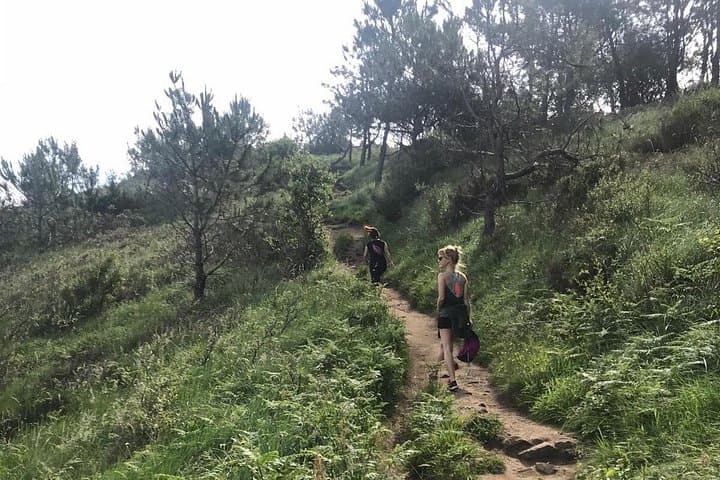
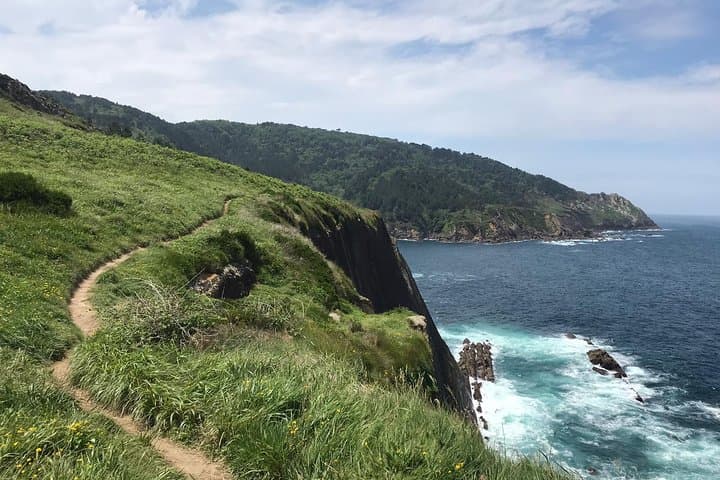
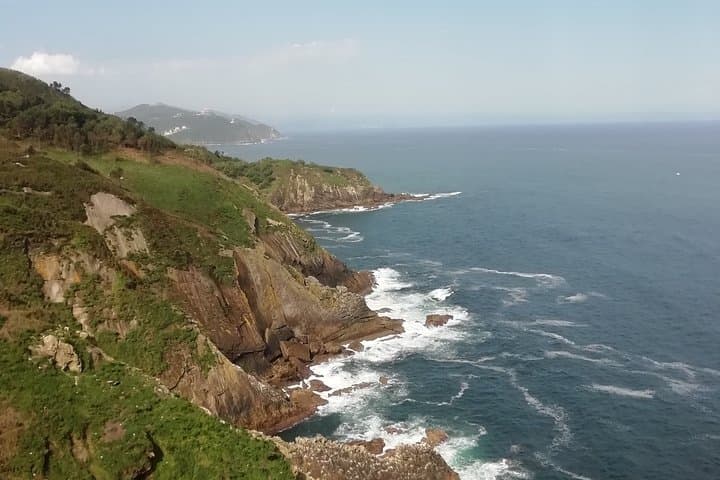
You step off a narrow lane and the sea answers first — wind pressing salt onto your lips, waves palming the cliffs below. The path climbs through coastal scrub and twisted pines, Monte Ulia’s ridgeline guiding you east with intermittent windows to the Bay of Biscay and the ferry-slice of Pasaia harbor. The trail moves like a slow tide: sometimes easy-graded earth, sometimes carved rock underfoot.
You step off a narrow lane and the sea answers first — wind pressing salt onto your lips, waves palming the cliffs below. The path climbs through coastal scrub and twisted pines, Monte Ulia’s ridgeline guiding you east with intermittent windows to the Bay of Biscay and the ferry-slice of Pasaia harbor. The trail moves like a slow tide: sometimes easy-graded earth, sometimes carved rock underfoot.
This coastline carries layers of history — medieval pilgrims who skirted these cliffs on routes feeding into the Camino de Santiago, Basque fishing hamlets that later oriented toward shipbuilding and txakoli vineyards inland. Geologically the headland is limestone and flysch, cliffs telling of ancient seas folded and uplifted, and the shoreline still shows the raw edges of that movement.
Expect the culture to be tactile: small fishing ports where fishermen mend nets as they always have, and cafés serving txakoli — slightly effervescent white wine — that punctuates a mid-hike stop. A short boat run across the bay gives a different perspective; the harbor will reveal its working face and maritime history as it nudges you closer to shore life.
Practical guidance: this is a roughly 5-hour loop when combined with the coastal sections and local transfers — uneven terrain, frequent short climbs, and exposed ridge sections. Wear grippy footwear, layer for coastal wind, carry 1–1.5 liters of water and some snacks, and bring a few euros in cash for the local boat. Public transport connects back to San Sebastián if you prefer to skip the return walk. The itinerary is accessible to most hikers with steady footing and rewards with broad sea views, intimate village stops, and a palpable sense of Basque coastal life.