THE ADVENTURE COLLECTIVE® · Independent discovery and booking for outdoor travel

Explore exposed reefs and living tide pools on a 90-minute guided walk at Monte Clérigo Beach in Portugal’s Costa Vicentina. Local guides identify crabs, limpets and octopus while sharing geology, fishing lore and practical safety advice.
Explore exposed reefs and living tide pools on a 90-minute guided walk at Monte Clérigo Beach in Portugal’s Costa Vicentina. Local guides identify crabs, limpets and octopus while sharing geology, fishing lore and practical safety advice.
A wind-swept slab of shale opens underfoot and the Atlantic breathes cold fingers into rock pools; you crouch and peer where sun and surf have trapped a small world. On the tide-pool safari at Monte Clérigo Beach, guides lead small groups across the exposed reef of the Costa Vicentina Natural Park to inspect crabs, limpets, sea urchins and often a shy octopus, translating the language of shells and siphons into human terms.
Verified experiences and guided adventures in the surrounding area.
Operated by Rock&Reel Fishing · Aljezur, Faro District
A wind-swept slab of shale opens underfoot and the Atlantic breathes cold fingers into rock pools; you crouch and peer where sun and surf have trapped a small world. On the tide-pool safari at Monte Clérigo Beach, guides lead small groups across the exposed reef of the Costa Vicentina Natural Park to inspect crabs, limpets, sea urchins and often a shy octopus, translating the language of shells and siphons into human terms.
This stretch of Portugal’s western coastline bears geology of folded sandstones and harder schists carved by relentless waves since the Mesozoic. Fishing villages nearby kept close ties to the sea for centuries; local guides often share folk names, traditional foraging etiquette and stories from families who read tides like calendars.
The experience mixes natural history and simple marine biology with cultural context: how local fishermen harvested limpets, and why protected areas matter here. The walk is largely flat across the intertidal bench but demands steady footing on wet rock and attention to tidal windows.
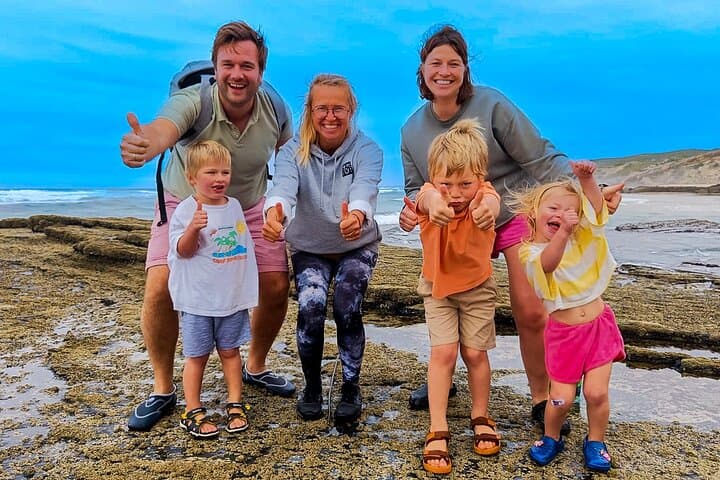
Practical guidance: book at low to mid tide, wear sturdy water shoes with good soles, and bring a small waterproof jacket — Atlantic weather can change quickly. Cameras with macro lenses do well; phones in waterproof cases work for quick shots. Expect a gentle 90-minute outing suited to families and novices, led by experienced local naturalists who emphasize safety and conservation. Leave organisms in place, step on bare rock rather than life, and plan transport back before the tide returns: the ocean is patient but the clock is not.
easy.
1–2 hours.
Suitable for most fitness levels but requires balance and short walking on uneven, wet rock
Yes—guides provide a specialized leader for groups with children and the terrain is largely flat, but children should be supervised and wear proper footwear.
Tours may be canceled for rough sea conditions or high tides; operators typically offer a full refund if canceled 24 hours in advance or due to unsafe weather.
No—guides encourage observation and education but do not remove or handle wildlife; this minimizes stress to animals and preserves the habitat.
Access begins at the beach entrance; reachability is easy from the sand but expect a short walk over soft or uneven surfaces—plan for basic beach access logistics.
This coast has long supported small-scale fishing communities; local tide knowledge and seafood traditions remain part of living coastal culture.
Monte Clérigo sits inside the Costa Vicentina Natural Park, where low-impact visitation, leaving no trace, and avoiding collection are part of protecting fragile intertidal ecosystems.
Rock&Reel Fishing operates guided outdoor trips and adventures with an emphasis on safety, stewardship, and memorable experiences.
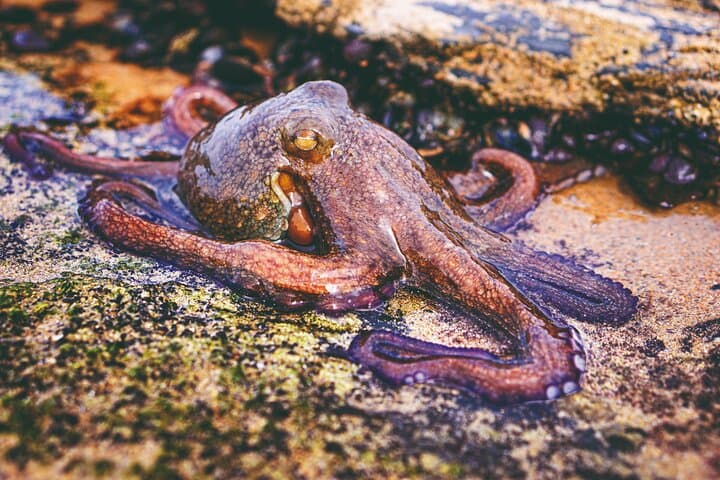
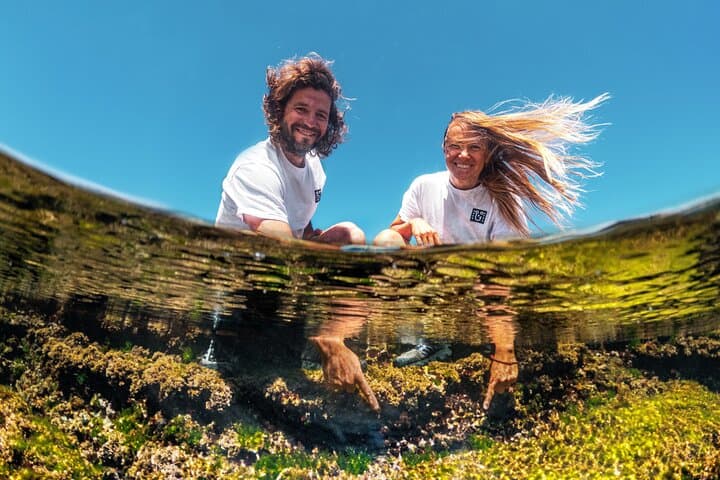
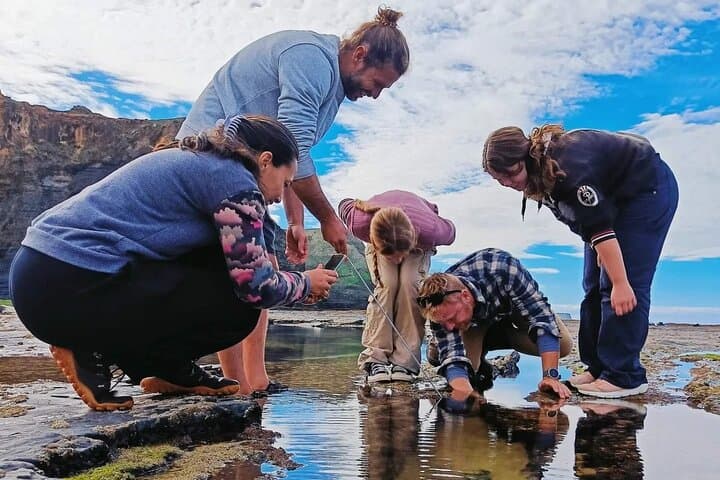
A wind-swept slab of shale opens underfoot and the Atlantic breathes cold fingers into rock pools; you crouch and peer where sun and surf have trapped a small world. On the tide-pool safari at Monte Clérigo Beach, guides lead small groups across the exposed reef of the Costa Vicentina Natural Park to inspect crabs, limpets, sea urchins and often a shy octopus, translating the language of shells and siphons into human terms.
A wind-swept slab of shale opens underfoot and the Atlantic breathes cold fingers into rock pools; you crouch and peer where sun and surf have trapped a small world. On the tide-pool safari at Monte Clérigo Beach, guides lead small groups across the exposed reef of the Costa Vicentina Natural Park to inspect crabs, limpets, sea urchins and often a shy octopus, translating the language of shells and siphons into human terms.
This stretch of Portugal’s western coastline bears geology of folded sandstones and harder schists carved by relentless waves since the Mesozoic. Fishing villages nearby kept close ties to the sea for centuries; local guides often share folk names, traditional foraging etiquette and stories from families who read tides like calendars.
The experience mixes natural history and simple marine biology with cultural context: how local fishermen harvested limpets, and why protected areas matter here. The walk is largely flat across the intertidal bench but demands steady footing on wet rock and attention to tidal windows.
Practical guidance: book at low to mid tide, wear sturdy water shoes with good soles, and bring a small waterproof jacket — Atlantic weather can change quickly. Cameras with macro lenses do well; phones in waterproof cases work for quick shots. Expect a gentle 90-minute outing suited to families and novices, led by experienced local naturalists who emphasize safety and conservation. Leave organisms in place, step on bare rock rather than life, and plan transport back before the tide returns: the ocean is patient but the clock is not.