THE ADVENTURE COLLECTIVE® · Independent discovery and booking for outdoor travel

Watch dawn wash Monte Albán’s plazas, then visit nearby villages where alebrijes and black pottery are still hand-shaped by families. This private day tour pairs archaeological perspective with intimate craft workshops—ideal for history and culture-minded travelers.
Watch dawn wash Monte Albán’s plazas, then visit nearby villages where alebrijes and black pottery are still hand-shaped by families. This private day tour pairs archaeological perspective with intimate craft workshops—ideal for history and culture-minded travelers.
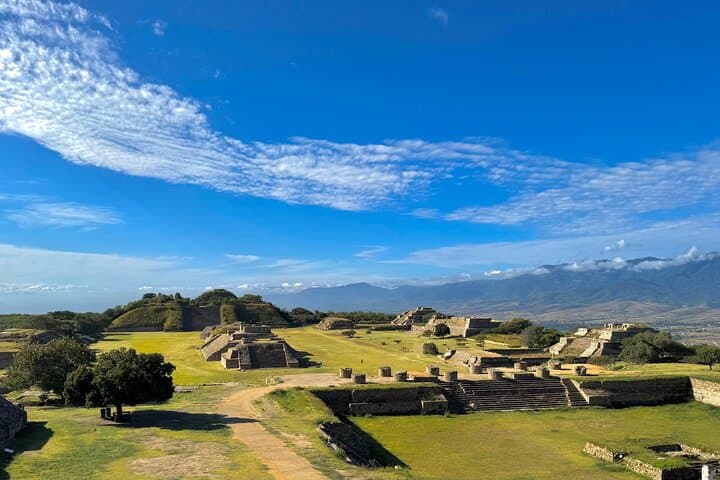
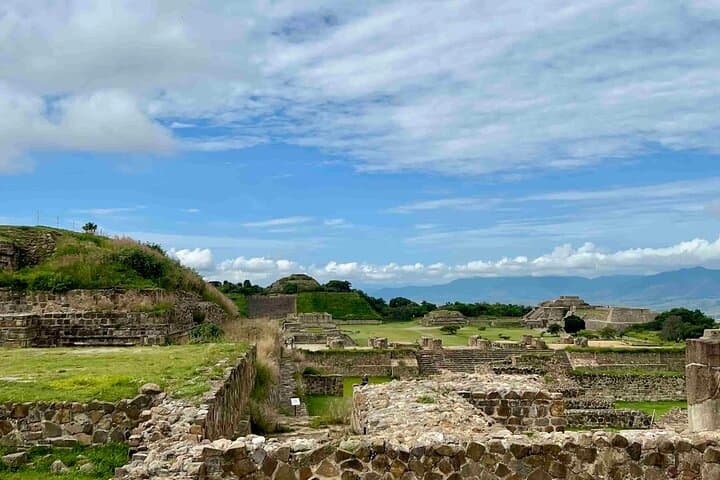
You arrive before the heat—dawn light strips across the Zapotec terraces and the valley exhales below. Wind carries dust and the low murmur of guides describing carved plazas; stone platforms stand like pages of an open book, each stair a sentence in a civilization’s story.
Verified experiences and guided adventures in the surrounding area.
Operated by Get Into Oaxaca · Oaxaca City, Oaxaca
You arrive before the heat—dawn light strips across the Zapotec terraces and the valley exhales below. Wind carries dust and the low murmur of guides describing carved plazas; stone platforms stand like pages of an open book, each stair a sentence in a civilization’s story.
Monte Albán sits atop a flattened hill, a human-made acropolis that dominated the Oaxaca Valley for centuries. Built and expanded by the Zapotecs from around 500 BCE, its plazas, ball courts and tombs reveal shifting political power and ritual practice. The surrounding geology—uplifted volcanic tuffs and river-carved valleys—gave the site its defensible height and dramatic views.
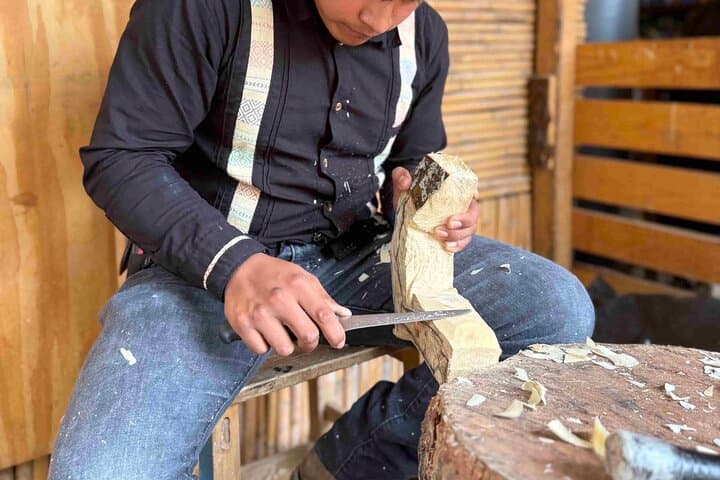
After the ruins, the tour threads into living craft traditions. In San Martín Tilcajete, woodcarvers shape alebrijes—fantastical animals painted with tight, energetic patterns—while in San Bartolo Coyotepec, clay takes on a deep black sheen through a reduction-firing technique refined over generations. Workshops are hands-on windows into techniques, not staged displays.
Practically: expect a full day (6–8 hours) with private, air-conditioned transport and hotel pickup. Monte Albán involves uneven stone and steps; ramps and accessible routes exist in parts but bring mobility considerations. Bring cash for small purchases, sun protection, water and modest layers for morning wind and afternoon warmth. Plan photos early or late for softer light and fewer crowds.
This itinerary balances history and craft—ancient plazas that demand quiet curiosity and village ateliers that reward patient attention. Leave space in your bag and schedule for a small, handcrafted keepsake and for the slower pace of Oaxaca’s artisan towns.
easy.
6–8 hours.
Suitable for most fitness levels; involves moderate walking and stair climbing on uneven ancient stone.
Most private tours include entrance; confirm at booking. The itinerary notes admission is included for the archaeological site.
Yes—workshops are typically family-run and welcome visitors to observe and sometimes participate; ask before joining any hands-on activity.
Some areas and transport options are wheelchair accessible, but Monte Albán has uneven stone and steps—check with the operator about specific accessibility needs before booking.
Yes; artisans often accept commissions but expect lead times for custom work and plan to pay in cash or agree on payment methods in advance.
Monte Albán was the political and ritual center of the Zapotecs from around 500 BCE to 800 CE; its plazas and tombs reflect centuries of urban planning and ritual life.
Support artisans directly and avoid purchasing archaeological fragments; practice Leave No Trace at the ruins—stay on paths and avoid climbing fragile structures.
Get Into Oaxaca operates guided outdoor trips and adventures with an emphasis on safety, stewardship, and memorable experiences.

You arrive before the heat—dawn light strips across the Zapotec terraces and the valley exhales below. Wind carries dust and the low murmur of guides describing carved plazas; stone platforms stand like pages of an open book, each stair a sentence in a civilization’s story.
You arrive before the heat—dawn light strips across the Zapotec terraces and the valley exhales below. Wind carries dust and the low murmur of guides describing carved plazas; stone platforms stand like pages of an open book, each stair a sentence in a civilization’s story.
Monte Albán sits atop a flattened hill, a human-made acropolis that dominated the Oaxaca Valley for centuries. Built and expanded by the Zapotecs from around 500 BCE, its plazas, ball courts and tombs reveal shifting political power and ritual practice. The surrounding geology—uplifted volcanic tuffs and river-carved valleys—gave the site its defensible height and dramatic views.
After the ruins, the tour threads into living craft traditions. In San Martín Tilcajete, woodcarvers shape alebrijes—fantastical animals painted with tight, energetic patterns—while in San Bartolo Coyotepec, clay takes on a deep black sheen through a reduction-firing technique refined over generations. Workshops are hands-on windows into techniques, not staged displays.
Practically: expect a full day (6–8 hours) with private, air-conditioned transport and hotel pickup. Monte Albán involves uneven stone and steps; ramps and accessible routes exist in parts but bring mobility considerations. Bring cash for small purchases, sun protection, water and modest layers for morning wind and afternoon warmth. Plan photos early or late for softer light and fewer crowds.
This itinerary balances history and craft—ancient plazas that demand quiet curiosity and village ateliers that reward patient attention. Leave space in your bag and schedule for a small, handcrafted keepsake and for the slower pace of Oaxaca’s artisan towns.