THE ADVENTURE COLLECTIVE® · Independent discovery and booking for outdoor travel

Spend a half day exploring Monte Albán’s Zapotec terraces and ball courts with an expert guide. This concise tour combines archaeological context with clear logistics—ideal for visitors who want history, views, and a manageable walk from Oaxaca City.
Spend a half day exploring Monte Albán’s Zapotec terraces and ball courts with an expert guide. This concise tour combines archaeological context with clear logistics—ideal for visitors who want history, views, and a manageable walk from Oaxaca City.
You start on the Zócalo in Oaxaca City, beneath the cathedral’s baroque face, and within 30 minutes the bus climbs to Monte Albán’s broad plateau. Wind scours the open plazas and the earth underfoot yields small clacks of pottery shards — the site speaks with a dry, archaeological voice that draws you forward.
Verified experiences and guided adventures in the surrounding area.
Operated by Lescas Co Tours · Oaxaca City, Oaxaca
You start on the Zócalo in Oaxaca City, beneath the cathedral’s baroque face, and within 30 minutes the bus climbs to Monte Albán’s broad plateau. Wind scours the open plazas and the earth underfoot yields small clacks of pottery shards — the site speaks with a dry, archaeological voice that draws you forward.
Monte Albán was a capital of the Zapotec state from roughly 500 BCE to 800 CE. The stones here are read like pages: terraces, ball courts, and carved stelae that mark political and ritual life. Geologically, the site crowns an uplifted ridge of ophiolitic and volcanic rock, giving clear sightlines across the Oaxaca Valley. Local guides tie those views to contemporary Oaxacan culture: markets, languages (Zapotec still spoken nearby), and artisan traditions that echo the site’s long occupation.
Practically, expect 3–4 hours total, with 1–2 hours of guided interpretation and time to photograph platforms and tomb facades. Tickets are purchased on-site (around MXN 100 as of 2025); guides here excel at making hieroglyphs, alignment, and ritual use intelligible without jargon. Terrain is uneven stone and packed earth; pack sun protection, 1–2 liters of water, and stable footwear. Morning visits dodge the strongest sun and the biggest crowds; if you want extra time, ask about the hourly shuttle back to Oaxaca city.
Respect ropes and fenced conservation areas, follow your guide’s route, and leave no trace—these ruins are both study and neighbor to modern communities.
easy.
3–4 hours.
Suitable for most fitness levels; requires standing and walking on uneven ground for up to 2 hours during the guided portion.
The meeting point is in front of Oaxaca Cathedral on the Zócalo; guides identify themselves with the Lescas Co Tours logo on the handicrafts aisle.
No, entrance to Monte Albán is not included in the tour price—expect to pay on-site (around MXN 100 in 2025) and check current rates before travel.
The main plaza has wide areas, but many terraces and viewpoints require steps or uneven stone; full accessibility is limited though strollers can be used in flatter sections.
Yes—guides are available in Spanish or English; the English explanation may be longer, so check language preference when booking.
Monte Albán was a major Zapotec political and ceremonial center from the mid-1st millennium BCE into the first millennium CE, later used by Mixtec elites who adapted and reoccupied parts of the complex.
The site is managed to balance visitor access and preservation—stay on marked paths, avoid touching carvings, and follow guide directions to minimize erosion and wear.
Lescas Co Tours operates guided outdoor trips and adventures with an emphasis on safety, stewardship, and memorable experiences.
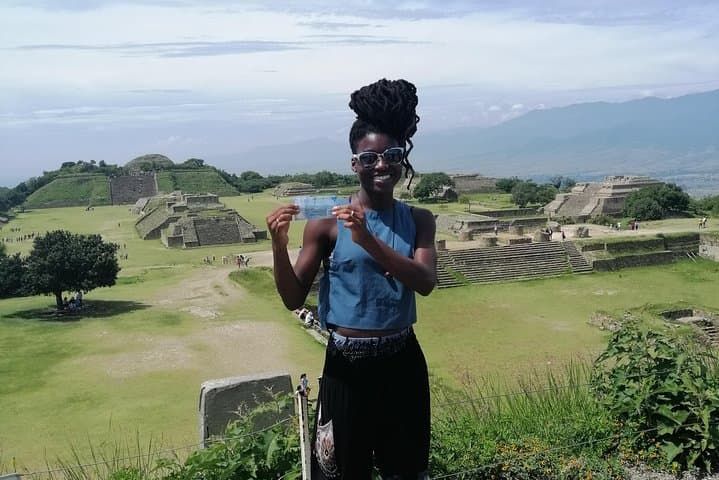
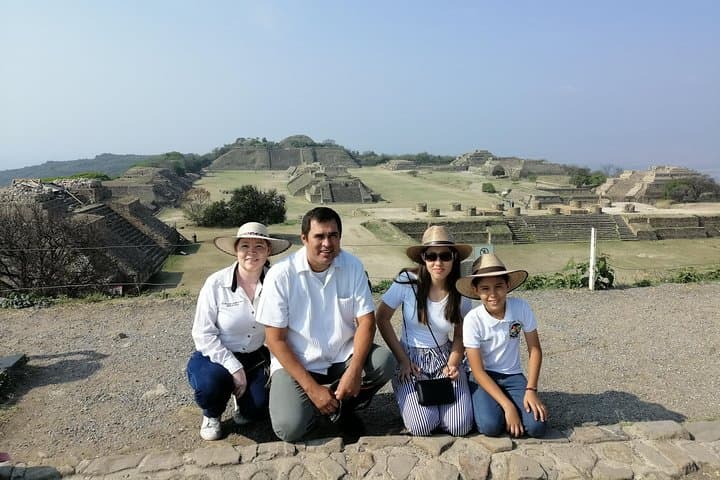
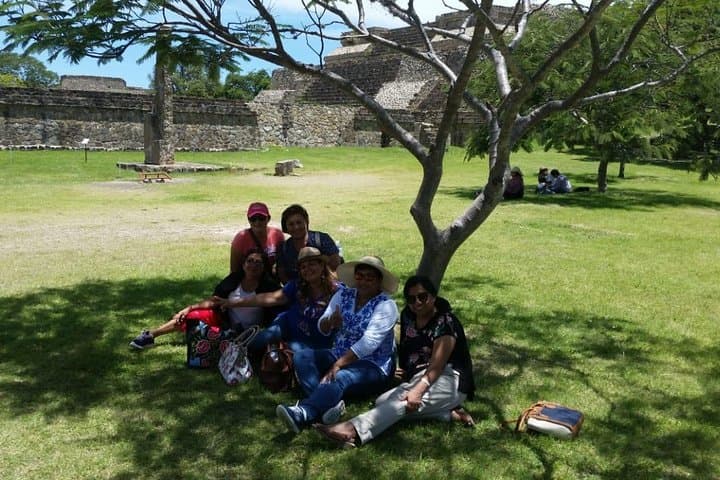
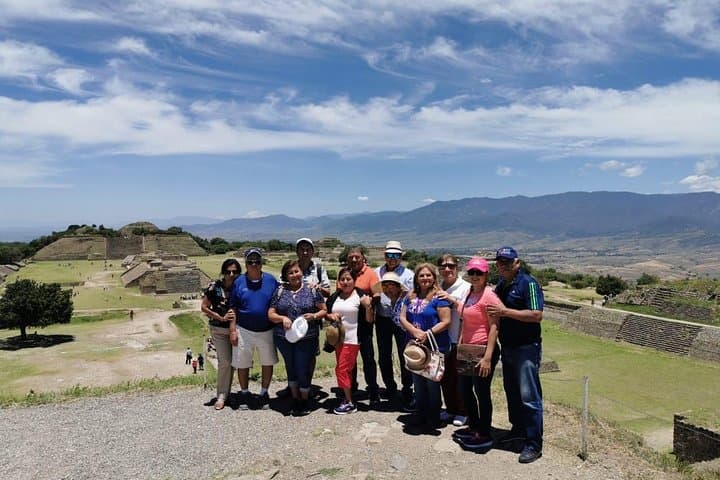
You start on the Zócalo in Oaxaca City, beneath the cathedral’s baroque face, and within 30 minutes the bus climbs to Monte Albán’s broad plateau. Wind scours the open plazas and the earth underfoot yields small clacks of pottery shards — the site speaks with a dry, archaeological voice that draws you forward.
You start on the Zócalo in Oaxaca City, beneath the cathedral’s baroque face, and within 30 minutes the bus climbs to Monte Albán’s broad plateau. Wind scours the open plazas and the earth underfoot yields small clacks of pottery shards — the site speaks with a dry, archaeological voice that draws you forward.
Monte Albán was a capital of the Zapotec state from roughly 500 BCE to 800 CE. The stones here are read like pages: terraces, ball courts, and carved stelae that mark political and ritual life. Geologically, the site crowns an uplifted ridge of ophiolitic and volcanic rock, giving clear sightlines across the Oaxaca Valley. Local guides tie those views to contemporary Oaxacan culture: markets, languages (Zapotec still spoken nearby), and artisan traditions that echo the site’s long occupation.
Practically, expect 3–4 hours total, with 1–2 hours of guided interpretation and time to photograph platforms and tomb facades. Tickets are purchased on-site (around MXN 100 as of 2025); guides here excel at making hieroglyphs, alignment, and ritual use intelligible without jargon. Terrain is uneven stone and packed earth; pack sun protection, 1–2 liters of water, and stable footwear. Morning visits dodge the strongest sun and the biggest crowds; if you want extra time, ask about the hourly shuttle back to Oaxaca city.
Respect ropes and fenced conservation areas, follow your guide’s route, and leave no trace—these ruins are both study and neighbor to modern communities.