THE ADVENTURE COLLECTIVE® · Independent discovery and booking for outdoor travel

Step onto a hilltop that once governed the Oaxaca Valley. This full-day Monte Albán classic tour combines Zapotec ruins, craft workshops in nearby villages and local tastings for a compact cultural adventure.
Step onto a hilltop that once governed the Oaxaca Valley. This full-day Monte Albán classic tour combines Zapotec ruins, craft workshops in nearby villages and local tastings for a compact cultural adventure.
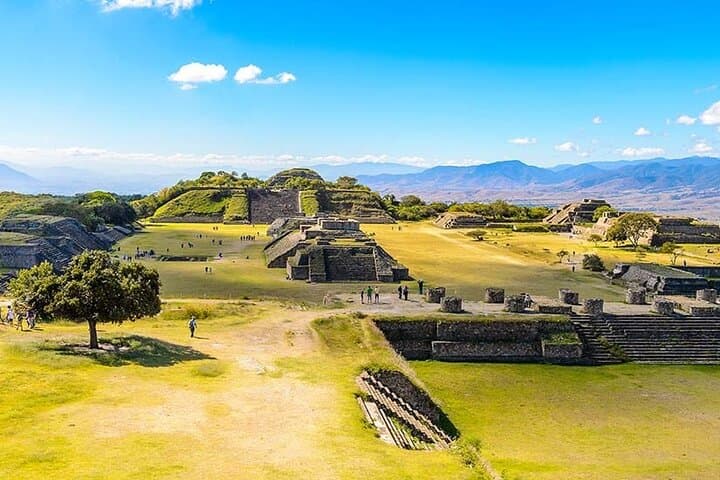
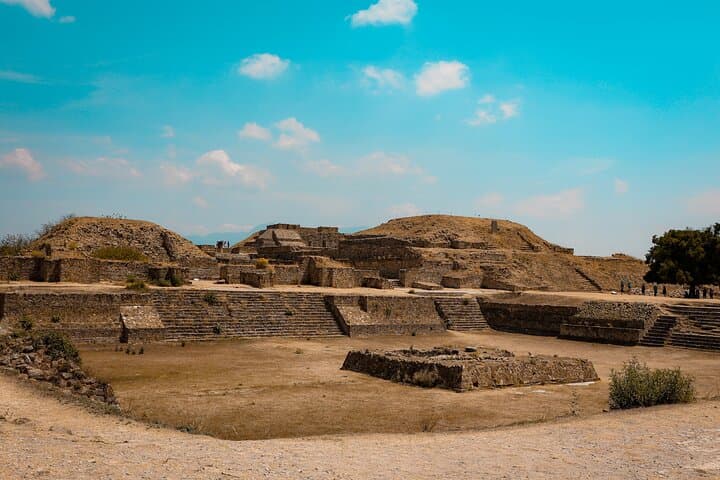
A pale morning light slides across the broad plaza of Monte Albán, and the hill seems to breathe — a low, human-shaped exhale after millennia of ritual and footfall. On this day trip from Oaxaca city you climb into history: stepped platforms, carved terraces and long sightlines that once organized Zapotec civic life.
Verified experiences and guided adventures in the surrounding area.
Operated by Oaxaca Dreams · Oaxaca de Juárez, Oaxaca
A pale morning light slides across the broad plaza of Monte Albán, and the hill seems to breathe — a low, human-shaped exhale after millennia of ritual and footfall. On this day trip from Oaxaca city you climb into history: stepped platforms, carved terraces and long sightlines that once organized Zapotec civic life.
Monte Albán sits on a flattened hilltop carved by human hands above the Oaxaca Valley, occupied from about 500 BCE as the Zapotec capital. The stone plazas and tombs reveal a culture of astronomy, carved glyphs and long-distance trade; nearby, Cuilapam’s former convent tells a different chapter of colonial Oaxaca, while workshops in surrounding villages keep crafts like alebrijes and barro negro alive.
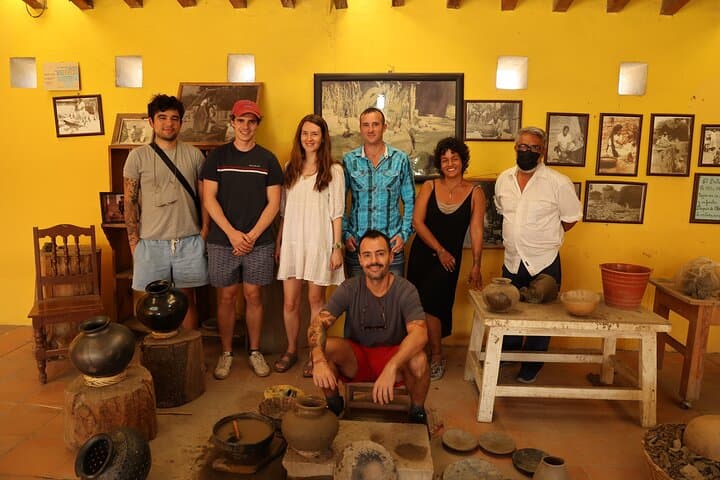
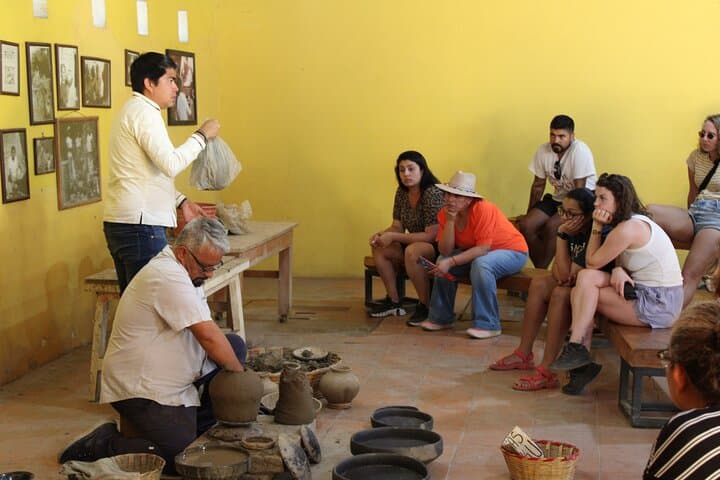
Expect a mix of paved and uneven stone surfaces, open sun-exposed viewpoints and short, interpretive walks — the site is primarily archaeological rather than strenuous hiking. The tour typically includes a mezcal stop, a look at alebrije studios, a buffet of Oaxacan specialties and demonstrations of black-clay pottery.
Practical edge: arrive early to avoid midday heat, wear closed shoes for walking on carved stones, and carry water and sun protection. Bring small bills for artisans and optional tastings. Photography is allowed, but respect roped areas and fragile structures. If you have mobility limits, note that terraces involve steps and uneven ground; some parts are not wheelchair accessible. End the day with a chocolate or mezcal tasting back in town — a good way to tie the geology, craft and cuisine of Oaxaca into one full-day loop.
easy.
8–9 hours.
Light walking ability required; must be comfortable on uneven stone and occasional steps over several hours.
The tour lasts about 9 hours and typically includes transport from Oaxaca, guided visits to Monte Albán, workshops (alebrijes and barro negro), a mezcal stop, and lunch at a traditional buffet.
Most operators include site admission; confirm at booking but the itinerary for this tour lists the archaeological site visit as included.
Monte Albán has uneven stone terraces and steps; key areas are not wheelchair accessible and the site is not fully conditioned for mobility impairments.
Yes — the itinerary visits artisan workshops and a restaurant; bring cash for smaller purchases and souvenirs.
Monte Albán was the political and ceremonial center of the Zapotec civilization from roughly 500 BCE to 750 CE and features plazas, ballcourts and carved tombs.
The site faces erosion and wear from visitors; stick to marked paths, avoid touching carved reliefs and support local conservation-minded artisans.
Oaxaca Dreams operates guided outdoor trips and adventures with an emphasis on safety, stewardship, and memorable experiences.
A pale morning light slides across the broad plaza of Monte Albán, and the hill seems to breathe — a low, human-shaped exhale after millennia of ritual and footfall. On this day trip from Oaxaca city you climb into history: stepped platforms, carved terraces and long sightlines that once organized Zapotec civic life.
A pale morning light slides across the broad plaza of Monte Albán, and the hill seems to breathe — a low, human-shaped exhale after millennia of ritual and footfall. On this day trip from Oaxaca city you climb into history: stepped platforms, carved terraces and long sightlines that once organized Zapotec civic life.
Monte Albán sits on a flattened hilltop carved by human hands above the Oaxaca Valley, occupied from about 500 BCE as the Zapotec capital. The stone plazas and tombs reveal a culture of astronomy, carved glyphs and long-distance trade; nearby, Cuilapam’s former convent tells a different chapter of colonial Oaxaca, while workshops in surrounding villages keep crafts like alebrijes and barro negro alive.
Expect a mix of paved and uneven stone surfaces, open sun-exposed viewpoints and short, interpretive walks — the site is primarily archaeological rather than strenuous hiking. The tour typically includes a mezcal stop, a look at alebrije studios, a buffet of Oaxacan specialties and demonstrations of black-clay pottery.
Practical edge: arrive early to avoid midday heat, wear closed shoes for walking on carved stones, and carry water and sun protection. Bring small bills for artisans and optional tastings. Photography is allowed, but respect roped areas and fragile structures. If you have mobility limits, note that terraces involve steps and uneven ground; some parts are not wheelchair accessible. End the day with a chocolate or mezcal tasting back in town — a good way to tie the geology, craft and cuisine of Oaxaca into one full-day loop.