THE ADVENTURE COLLECTIVE® · Independent discovery and booking for outdoor travel

Spend a day crossing the tidal flats to Mont‑Saint‑Michel with private transport from Rennes. This practical guide covers what to expect on site, entry costs, shuttle logistics and timing tips for the abbey and village.
Spend a day crossing the tidal flats to Mont‑Saint‑Michel with private transport from Rennes. This practical guide covers what to expect on site, entry costs, shuttle logistics and timing tips for the abbey and village.
You step out of an air-conditioned minivan onto wind-swept cobbles and the island feels like a watchful old city — stone walls climbing into sky and the channel testing every footfall with sudden tides.
Verified experiences and guided adventures in the surrounding area.
Operated by BAKSIT · Le Mont-Saint-Michel, Manche
You step out of an air-conditioned minivan onto wind-swept cobbles and the island feels like a watchful old city — stone walls climbing into sky and the channel testing every footfall with sudden tides.
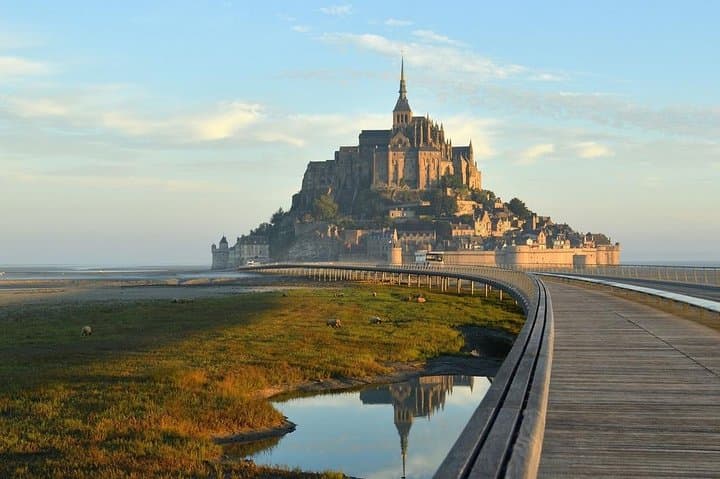
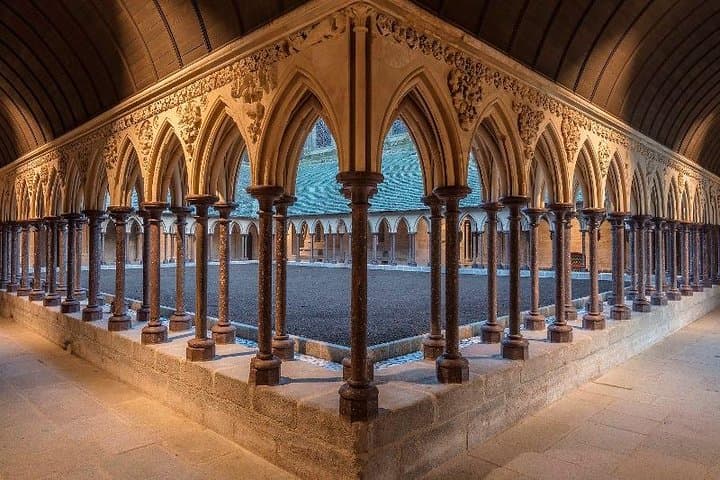
Mont‑Saint‑Michel's silhouette dominates the bay: a medieval abbey stacked above a village that grew around pilgrimage and strategic tides. The granite spine of the mount is the result of tidal erosion and ancient marine deposits; centuries of human hands added ramparts and staircases that compress history into every stair. Local culture still orbits the ebb and flow — shepherding salt marshes, oyster beds on the flats, and the slow rhythm of pilgrims and day visitors.
This six‑hour excursion from Rennes (about an hour each way, four hours on site) is transport plus on‑site support rather than a guided tour. Expect a short walk from the parking area to the free shuttle, 15 minutes each way, and roughly 2–3 hours to explore the village and abbey if you choose to enter (abbey entry typically around €10; audioguide extra). Wear grippy shoes for narrow lanes and steep steps, time your visit to avoid mid‑day crowds, and leave space for a casual lunch in a village salon.
Practical: the driver stays reachable on site, but does not provide guiding. Bring cash or card for abbey tickets, allow time for shuttle transfers, and check tide times if you want dramatic low‑tide views. The place rewards measured pacing — slow your step to read the stones and watch the bay reclaim itself.
moderate.
6 hours.
Moderate fitness recommended — includes walking on uneven cobbles and climbing stone staircases.
No — admission to the Abbey is paid on site (approximately €10 per person) and audioguides are extra.
No — the driver is local and English‑speaking but does not provide interpretive guiding; they escort you to shuttles and remain reachable.
Free shuttle buses run between the parking area and the island entrance (about 15 minutes); the driver will escort you to shuttle departure and meet you on return.
Access involves shuttles and uneven streets; parts of the abbey require stair climbs — travelers with limited mobility should check specific accessibility services in advance.
Mont‑Saint‑Michel grew from an 8th‑century abbey into a fortified pilgrimage site; its position at the edge of Normandy made it strategically important through medieval wars.
The bay is managed to protect tidal dynamics and bird habitats — stick to marked paths, follow signage, and avoid disturbing wildlife on the flats.
BAKSIT operates guided outdoor trips and adventures with an emphasis on safety, stewardship, and memorable experiences.

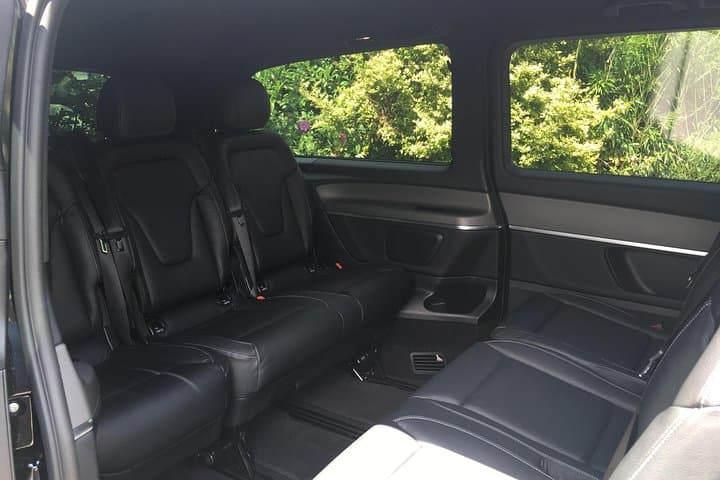
You step out of an air-conditioned minivan onto wind-swept cobbles and the island feels like a watchful old city — stone walls climbing into sky and the channel testing every footfall with sudden tides.
You step out of an air-conditioned minivan onto wind-swept cobbles and the island feels like a watchful old city — stone walls climbing into sky and the channel testing every footfall with sudden tides.
Mont‑Saint‑Michel's silhouette dominates the bay: a medieval abbey stacked above a village that grew around pilgrimage and strategic tides. The granite spine of the mount is the result of tidal erosion and ancient marine deposits; centuries of human hands added ramparts and staircases that compress history into every stair. Local culture still orbits the ebb and flow — shepherding salt marshes, oyster beds on the flats, and the slow rhythm of pilgrims and day visitors.
This six‑hour excursion from Rennes (about an hour each way, four hours on site) is transport plus on‑site support rather than a guided tour. Expect a short walk from the parking area to the free shuttle, 15 minutes each way, and roughly 2–3 hours to explore the village and abbey if you choose to enter (abbey entry typically around €10; audioguide extra). Wear grippy shoes for narrow lanes and steep steps, time your visit to avoid mid‑day crowds, and leave space for a casual lunch in a village salon.
Practical: the driver stays reachable on site, but does not provide guiding. Bring cash or card for abbey tickets, allow time for shuttle transfers, and check tide times if you want dramatic low‑tide views. The place rewards measured pacing — slow your step to read the stones and watch the bay reclaim itself.