THE ADVENTURE COLLECTIVE® · Independent discovery and booking for outdoor travel

Secure your official entry ticket and head straight to Mont Saint‑Michel’s abbey—one of France’s most dramatic medieval sites. This guide outlines what to expect on the walk up, the history underfoot, and practical tips to make your visit smoother.
Secure your official entry ticket and head straight to Mont Saint‑Michel’s abbey—one of France’s most dramatic medieval sites. This guide outlines what to expect on the walk up, the history underfoot, and practical tips to make your visit smoother.
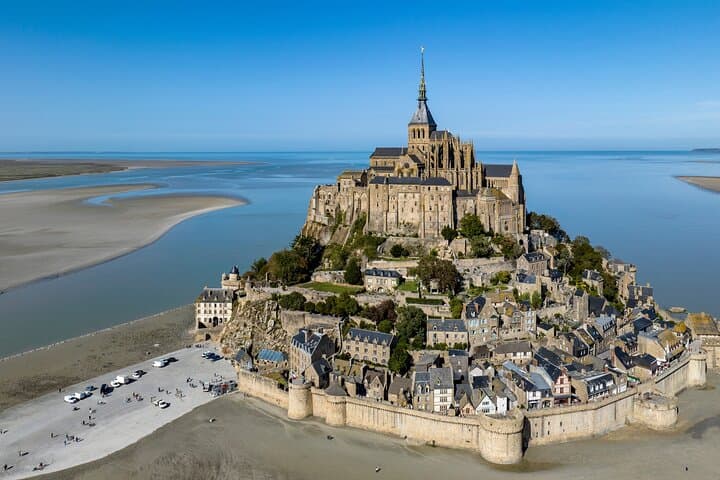
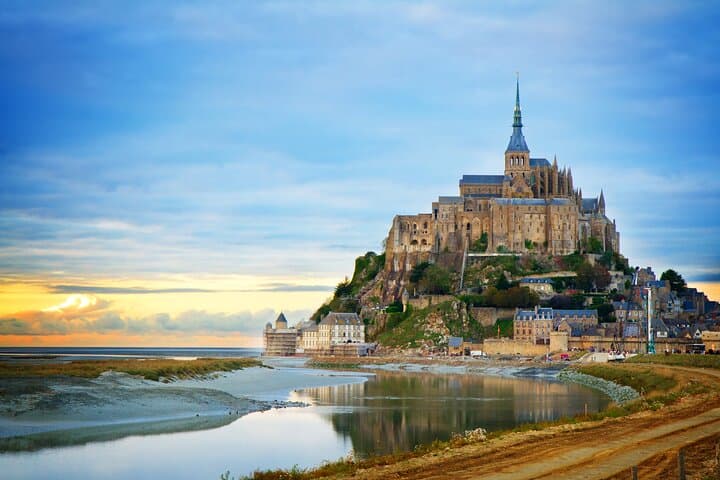
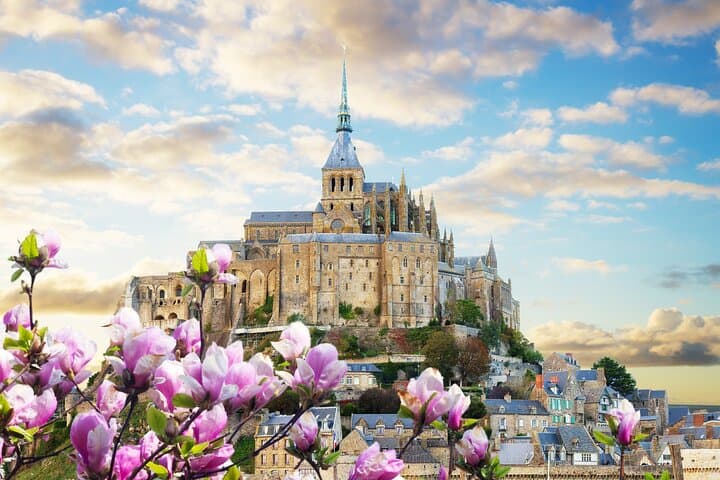
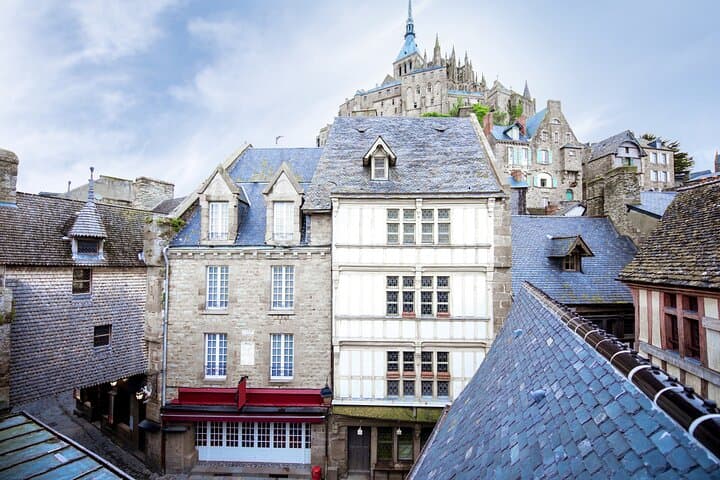
The island rises from the bay like a stone cathedral pushing through the horizon; gulls spiral around its spires and the tide writes a slow, visible edge on the sand. Step off the causeway and you join the steady footfall of pilgrims and day-trippers moving up narrow medieval streets toward a fortress of stone and sky: the Abbey of Mont Saint‑Michel.
Verified experiences and guided adventures in the surrounding area.
Operated by Travelgroup · Le Mont-Saint-Michel, Normandy
The island rises from the bay like a stone cathedral pushing through the horizon; gulls spiral around its spires and the tide writes a slow, visible edge on the sand. Step off the causeway and you join the steady footfall of pilgrims and day-trippers moving up narrow medieval streets toward a fortress of stone and sky: the Abbey of Mont Saint‑Michel.
Built on a rocky outcrop between Normandy and Brittany, the abbey grew from an 8th‑century sanctuary into a fortified Gothic complex between the 10th and 16th centuries. Its rib‑vaulted refectory, cloisters and high chapel reflect layers of monastic life and medieval engineering, while the surrounding bay—sandbanks, salt marshes and tidal flats—shapes both access and experience. Locals once guided pilgrims across dangerous tides; today, the ebb and flow still dominates the landscape and the pace of visits.
Expect steep, uneven steps, narrow passages and moments of surprising quiet within the cloister. Security checks are mandatory and can add up to an hour during high season, so plan accordingly; your official entry ticket will be emailed up to 24 hours before your visit and is required for admission.
Practical tips: arrive early or late afternoon to avoid the busiest windows, wear sturdy walking shoes for cobbles and stairs, and carry a rain layer—the bay’s weather shifts quickly. Respect restricted areas and the fragile salt‑marsh environment by staying on designated paths.
With a little preparation, a visit to Mont Saint‑Michel becomes more than a photo stop: it’s a compact lesson in medieval architecture, coastal geology and the human habit of building toward the sky.
easy.
2 hours.
Basic mobility is fine, but you should be comfortable climbing multiple flights of uneven stone steps and walking on cobbles.
The supplier emails the official entry ticket up to 24 hours before your scheduled visit—check your inbox and spam folder.
No. Security checks are mandatory and entry requires the official ticket; a booking confirmation or reservation number is not accepted.
Much of the abbey involves stairs and uneven surfaces; while parts of the village are stroller‑friendly, full access is limited—contact the site for specific accessibility options.
Walking the bay is potentially dangerous due to fast tides and hidden channels—only go with an authorised guide and follow posted safety information.
Mont Saint‑Michel developed from an 8th‑century sanctuary into a major medieval abbey and pilgrimage site, with construction phases from the 10th to 16th centuries that created its layered Gothic and Romanesque fabric.
The bay is a protected coastal ecosystem; visitors should stick to marked paths, avoid trampling salt marsh vegetation, and respect wildlife to limit erosion and disturbance.
Travelgroup operates guided outdoor trips and adventures with an emphasis on safety, stewardship, and memorable experiences.
The island rises from the bay like a stone cathedral pushing through the horizon; gulls spiral around its spires and the tide writes a slow, visible edge on the sand. Step off the causeway and you join the steady footfall of pilgrims and day-trippers moving up narrow medieval streets toward a fortress of stone and sky: the Abbey of Mont Saint‑Michel.
The island rises from the bay like a stone cathedral pushing through the horizon; gulls spiral around its spires and the tide writes a slow, visible edge on the sand. Step off the causeway and you join the steady footfall of pilgrims and day-trippers moving up narrow medieval streets toward a fortress of stone and sky: the Abbey of Mont Saint‑Michel.
Built on a rocky outcrop between Normandy and Brittany, the abbey grew from an 8th‑century sanctuary into a fortified Gothic complex between the 10th and 16th centuries. Its rib‑vaulted refectory, cloisters and high chapel reflect layers of monastic life and medieval engineering, while the surrounding bay—sandbanks, salt marshes and tidal flats—shapes both access and experience. Locals once guided pilgrims across dangerous tides; today, the ebb and flow still dominates the landscape and the pace of visits.
Expect steep, uneven steps, narrow passages and moments of surprising quiet within the cloister. Security checks are mandatory and can add up to an hour during high season, so plan accordingly; your official entry ticket will be emailed up to 24 hours before your visit and is required for admission.
Practical tips: arrive early or late afternoon to avoid the busiest windows, wear sturdy walking shoes for cobbles and stairs, and carry a rain layer—the bay’s weather shifts quickly. Respect restricted areas and the fragile salt‑marsh environment by staying on designated paths.
With a little preparation, a visit to Mont Saint‑Michel becomes more than a photo stop: it’s a compact lesson in medieval architecture, coastal geology and the human habit of building toward the sky.