THE ADVENTURE COLLECTIVE® · Independent discovery and booking for outdoor travel

Walk a 12‑hectare forest with experienced guides and meet over 550 free‑roaming primates at Monkeyland near Plettenberg Bay. This 45–60 minute guided sanctuary tour focuses on observation, welfare, and rehabilitation.
Walk a 12‑hectare forest with experienced guides and meet over 550 free‑roaming primates at Monkeyland near Plettenberg Bay. This 45–60 minute guided sanctuary tour focuses on observation, welfare, and rehabilitation.
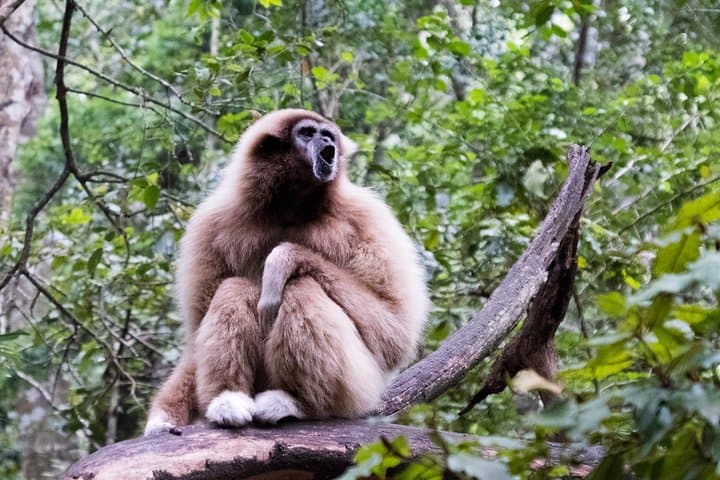
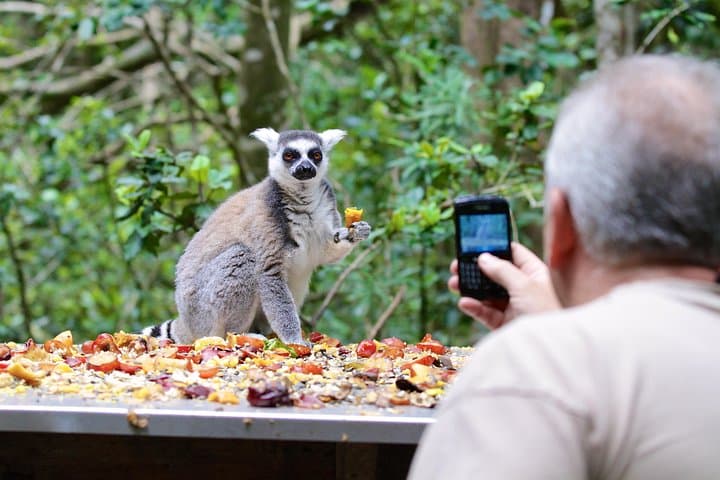
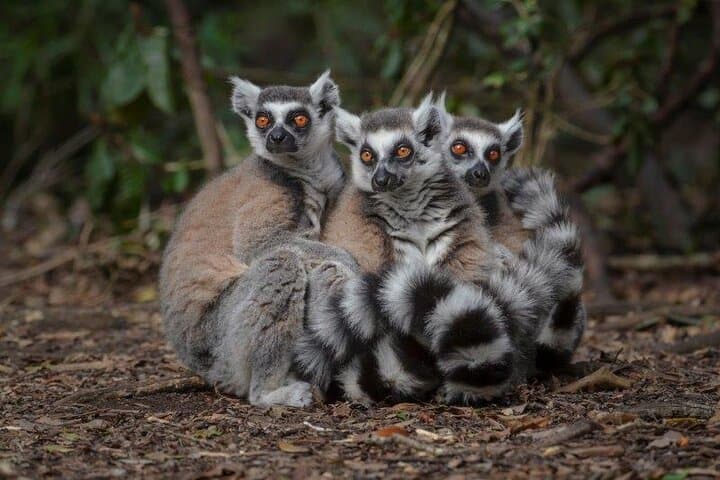
You step from the parking lot into a cool patch of indigenous forest where branches thread sunlight into shifting bands on the path. Calls and rustles puncture the air—curious faces peer from canopy and understory—then a guide’s voice eases you forward, pointing out a lemur that inspects the day as if it owns it.
Verified experiences and guided adventures in the surrounding area.
Operated by Monkeyland · Plettenberg Bay, Western Cape
You step from the parking lot into a cool patch of indigenous forest where branches thread sunlight into shifting bands on the path. Calls and rustles puncture the air—curious faces peer from canopy and understory—then a guide’s voice eases you forward, pointing out a lemur that inspects the day as if it owns it.
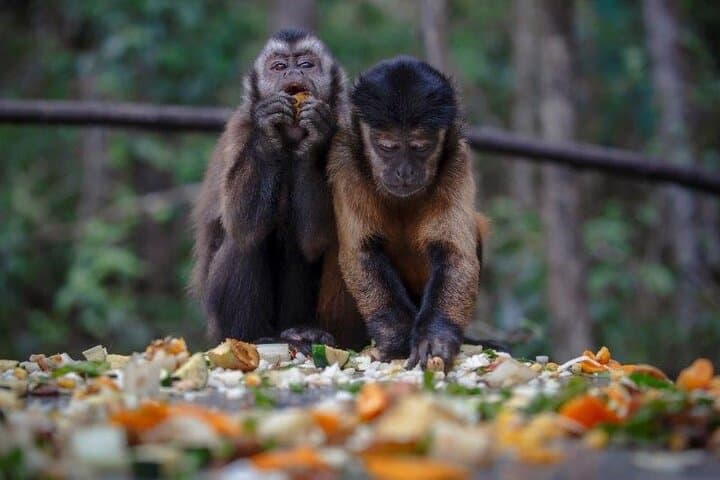
Founded as the world’s first free‑roaming primate sanctuary, Monkeyland occupies roughly 12 hectares of restored coastal forest near Plettenberg Bay. The sanctuary began as a response to the illegal pet trade and now shelters more than 550 primates across nine species, from capuchins and spider monkeys to ring‑tailed lemurs. Geologically the area sits on the edge of the Tsitsikamma escarpment, with sandy loams that support dense fynbos and Afrotemperate forest—habitat the primates use vertically, moving like living rope through trunks and vines.
Guides lead small groups (max 16) on 45–60 minute walks that emphasize observation, animal welfare, and the sanctuary’s rehabilitation work. Photography is encouraged but feeding or touching animals is prohibited; interactions are purposeful and from a safe distance. Wheelchair access is available (manual chairs on site) and children under three enter free.
Practical takeaways: book a guided slot to guarantee language needs, arrive early to complete screening and temperature checks, and choose morning visits when animals are most active. Bring a lightweight rain layer, steady shoes for uneven terrain, and a telephoto lens or binoculars. The forest here isn’t just scenery—it has personality, and it will make you acknowledge how closely human decisions shape wild lives.
easy.
45–60 minutes.
Suitable for all fitness levels; short, gentle walking on uneven forest paths
Children younger than three enter free; all children must be accompanied by an adult.
Yes—paths are accessible and manual wheelchairs are available on request at no extra charge.
No. For welfare and safety, feeding and touching are prohibited; guides will explain viewing etiquette.
Full refunds are available if canceled at least 24 hours before the scheduled tour; no refund within 24 hours.
Established to rescue primates from the pet and entertainment trades, Monkeyland was developed to allow rehabilitated primates to live in mixed free‑roaming groups within indigenous forest.
The sanctuary emphasizes rescue, rehabilitation and education—visitors support ongoing care; follow site rules to minimize stress on animals and reduce human impact.
Monkeyland operates guided outdoor trips and adventures with an emphasis on safety, stewardship, and memorable experiences.
You step from the parking lot into a cool patch of indigenous forest where branches thread sunlight into shifting bands on the path. Calls and rustles puncture the air—curious faces peer from canopy and understory—then a guide’s voice eases you forward, pointing out a lemur that inspects the day as if it owns it.
You step from the parking lot into a cool patch of indigenous forest where branches thread sunlight into shifting bands on the path. Calls and rustles puncture the air—curious faces peer from canopy and understory—then a guide’s voice eases you forward, pointing out a lemur that inspects the day as if it owns it.
Founded as the world’s first free‑roaming primate sanctuary, Monkeyland occupies roughly 12 hectares of restored coastal forest near Plettenberg Bay. The sanctuary began as a response to the illegal pet trade and now shelters more than 550 primates across nine species, from capuchins and spider monkeys to ring‑tailed lemurs. Geologically the area sits on the edge of the Tsitsikamma escarpment, with sandy loams that support dense fynbos and Afrotemperate forest—habitat the primates use vertically, moving like living rope through trunks and vines.
Guides lead small groups (max 16) on 45–60 minute walks that emphasize observation, animal welfare, and the sanctuary’s rehabilitation work. Photography is encouraged but feeding or touching animals is prohibited; interactions are purposeful and from a safe distance. Wheelchair access is available (manual chairs on site) and children under three enter free.
Practical takeaways: book a guided slot to guarantee language needs, arrive early to complete screening and temperature checks, and choose morning visits when animals are most active. Bring a lightweight rain layer, steady shoes for uneven terrain, and a telephoto lens or binoculars. The forest here isn’t just scenery—it has personality, and it will make you acknowledge how closely human decisions shape wild lives.